

















Lead(II) 2-ethylhexanoate
Description
Lead(II) 2-ethylhexanoate (CAS 301-08-6), also known as Lead Octoate, is an organolead carboxylate used industrially as a catalyst, plasticizer, and lubrication additive. It delivers controlled metal content in organic matrices, making it a functional component in polymer processing and surface coating systems for various industrial applications.
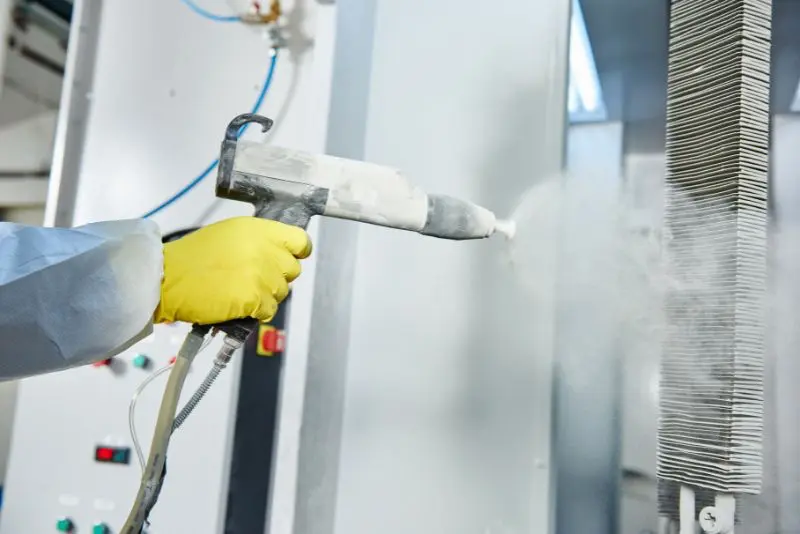
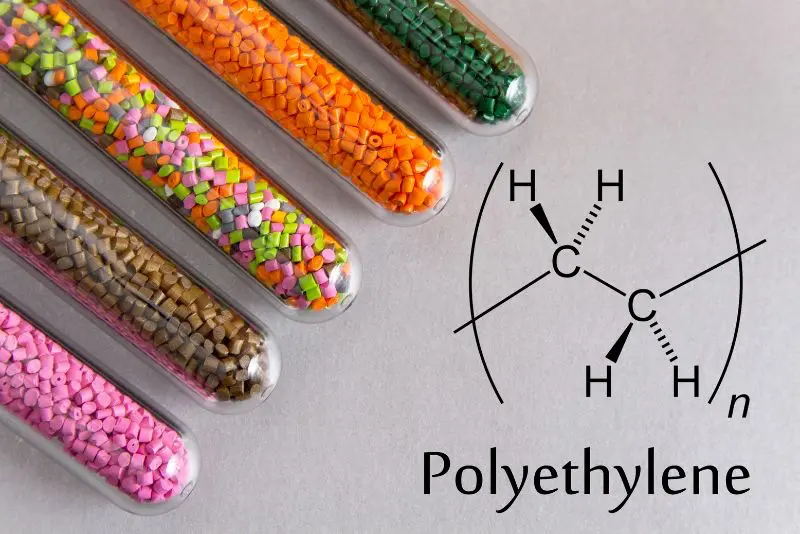
In coatings and resin systems, Lead Octoate acts as a drier catalyst, accelerating oxidative crosslinking in alkyd and oil-based formulations to achieve faster film cure and durability. Polymer processors use it as a heat stabilizer and plasticizer in PVC compounding, where it improves thermal processing tolerance and flexibility in finished profiles and sheeting.
In lubricant and metalworking fluid formulations, it functions as an extreme-pressure additive, reducing metal-on-metal wear under high-load conditions for heavy machinery. Adhesive and sealant manufacturers incorporate it into curing systems where controlled lead content supports polymerization rate and bond development across different substrates.
Lead(II) 2-ethylhexanoate is supplied as a viscous liquid, typically in concentrations ranging from 24% to 36% lead content by weight with the Pb-36 designation indicating 36% lead. The product is available in Technical grade as the standard commercial specification. Packaging is available in drums and intermediate bulk containers for industrial procurement.
Other Names (Synonyms)
Hexanoic acid, 2-ethyl-, lead(2+) salt (2:1)|Lead octoate pb-36|Bis(2-ethylhexanoate);lead(2+)|Lead bis(2-ethylhexanoate)
Key Technical Features
- High Purity Grade standard
- Consistent Batch Quality
- Full Regulatory & REACH Support
- Global Logistics Network enabled