

















Lead octoate
Description
Lead octoate (CAS 15696-43-2), also supplied under trade designations such as Pb-Novosik and Nikka Octhix Lead, is an organolead carboxylate used industrially as a catalyst and curing co-agent. It accelerates crosslinking and polymerization reactions in rubber and polymer processing, where reaction rate and cure efficiency are the primary sourcing drivers for industrial manufacturers.
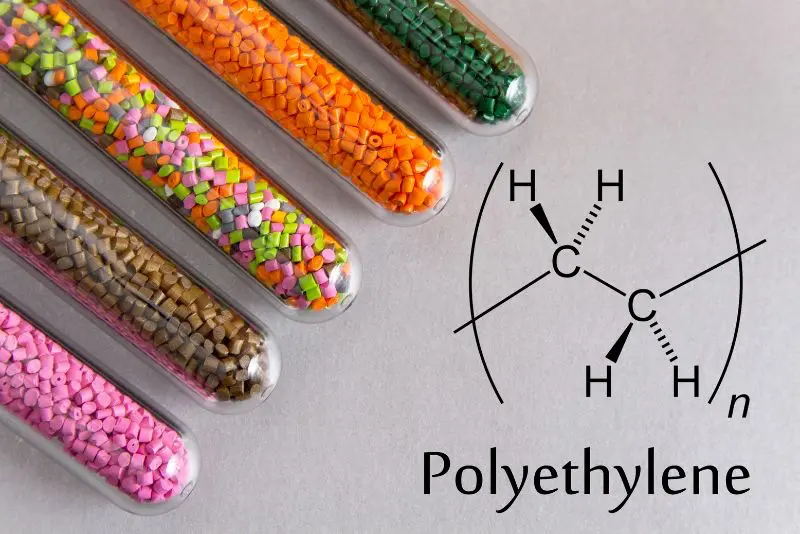
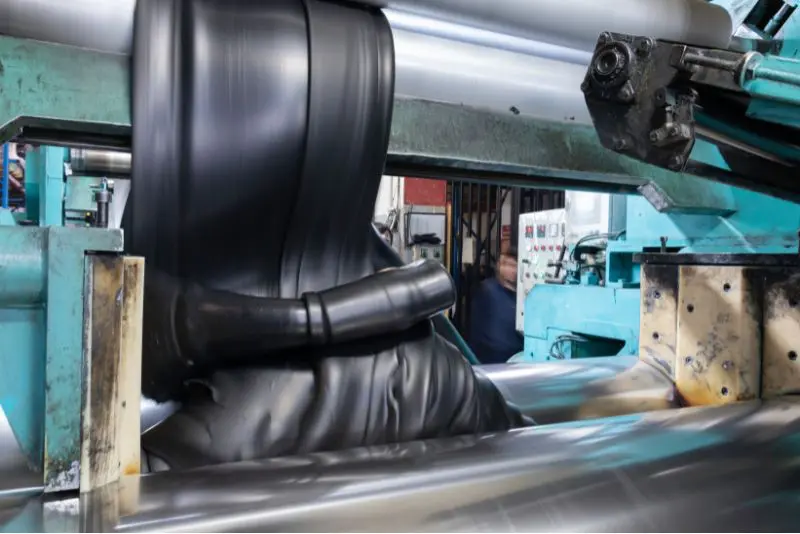
In rubber compounding, lead octoate functions as a vulcanization accelerator and co-catalyst, improving cure speed and crosslink density in technical rubber goods and specialized components. Polymer and PVC processors use it as a heat stabilizer co-component and catalytic additive in resin systems requiring controlled gelation and specific thermal stability profiles during production.
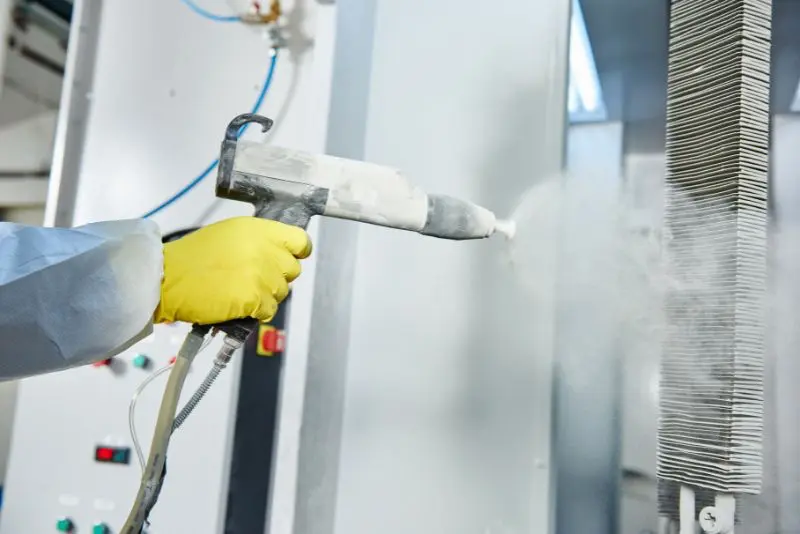
In lubricant and metalworking formulations, it contributes to extreme-pressure additive packages where metal-reactive organometallic compounds are specified for high-performance applications. Specialty coating and alkyd resin manufacturers also employ it as a drier catalyst to promote oxidative curing in industrial finishes, ensuring proper film formation and durability.
Lead octoate is supplied as a liquid solution, typically in mineral spirits or naphtha carriers, at varying metal content concentrations commonly expressed as percentage lead by weight. Technical grade is the standard commercial specification for industrial applications. Packaging ranges from drums to IBC containers, with concentration and carrier solvent confirmed against requirements.
Other Names (Synonyms)
Pb-Oc|Pb-Novosik|Nikka Octhix Lead|Minico P 24|Lead octanoate|Octanoic acid, lead salt (1:?)|RefChem:167818|Octanoic acid, lead salt
Key Technical Features
- High Purity Grade standard
- Consistent Batch Quality
- Full Regulatory & REACH Support
- Global Logistics Network enabled