

















Nickel octanoate
Description
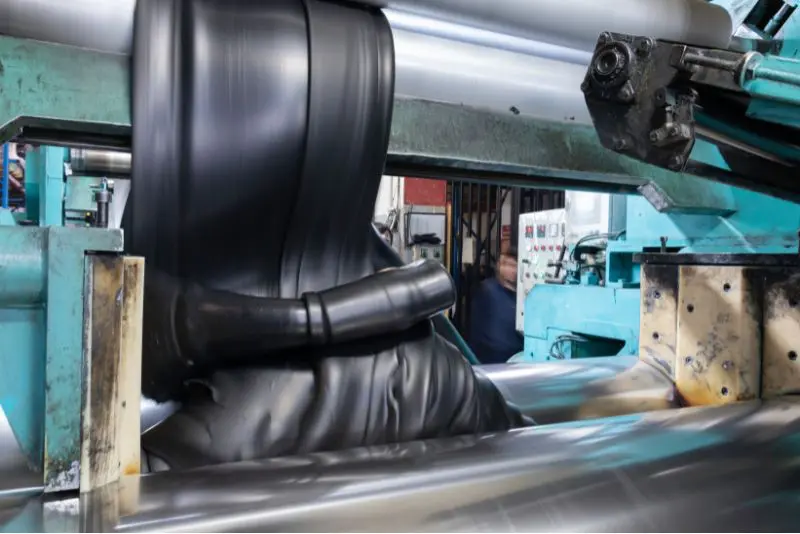
Nickel octanoate (CAS 4995-91-9), also known as nickel dioctanoate, is an organometallic nickel salt used as a catalyst and catalyst precursor across polymer, rubber, and coatings industries. Its oil-soluble character makes it compatible with organic processing systems where inorganic nickel salts cannot be readily dispersed. In polymer and rubber processing, it functions as a catalyst precursor.
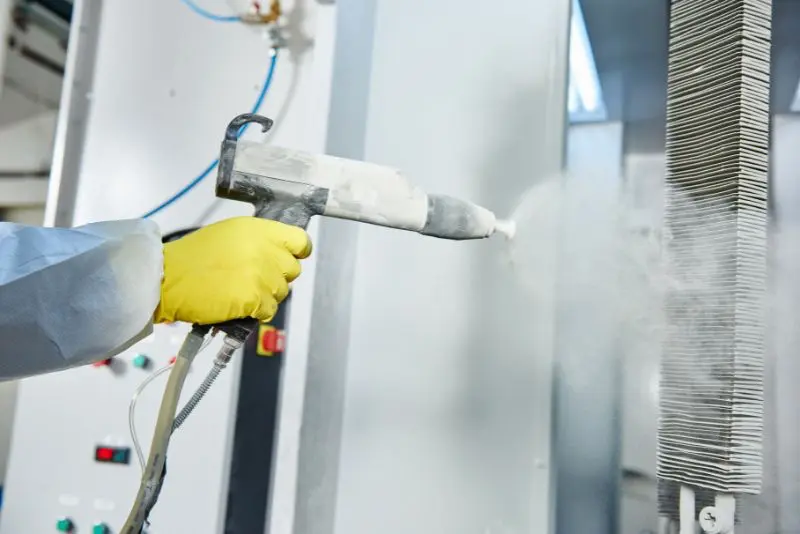
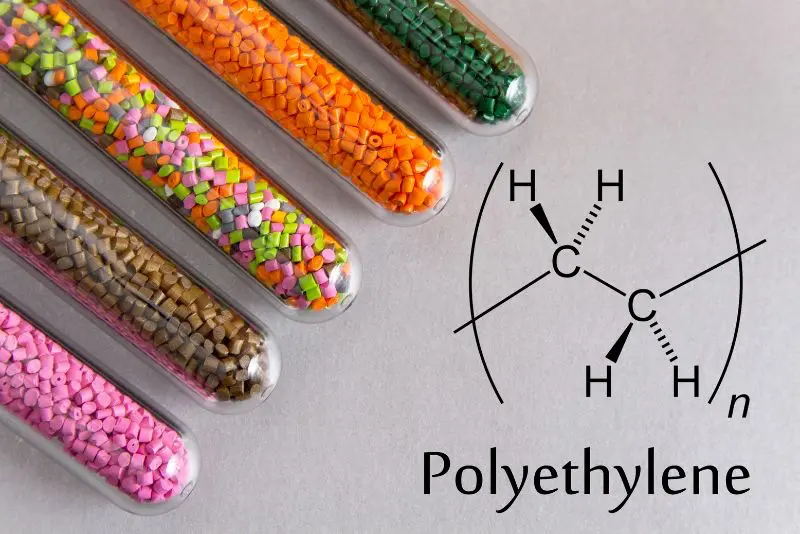
It is utilized for Ziegler-Natta and related polymerization systems, influencing chain growth and molecular weight distribution in polyolefin and synthetic rubber production for industrial applications. Coatings and resin formulators use it as a curing and cross-linking agent, particularly in systems requiring controlled metal-catalyzed oxidative cure to ensure proper material performance.
In lubricant and metalworking formulations, it serves as an additive precursor where nickel-based organometallics contribute to extreme-pressure and anti-wear performance in heavy machinery. Adhesive and sealant manufacturers incorporate it into elastomeric systems to promote cross-link density and improve long-term cohesive strength for various construction and automotive uses.
Nickel octanoate is supplied as a liquid or viscous solution, typically in hydrocarbon or mineral oil carriers at defined nickel metal content to meet specific manufacturing requirements. Technical grade is the standard commercial offering, with concentration specified by percentage nickel content. Bulk and drum quantities are the typical supply formats for industrial buyers.
Other Names (Synonyms)
Nickel dioctanoate|Nickel(2+) octanoate|Nickel octanoate (VAN)|Octanoic acid, nickel(2+) salt|Octanoic acid, nickel(2+) salt (2:1)|RefChem:856023|Nickel octoate
Key Technical Features
- High Purity Grade standard
- Consistent Batch Quality
- Full Regulatory & REACH Support
- Global Logistics Network enabled