

















Dimethylolpropionic acid
Description
Dimethylolpropionic acid (CAS 4767-03-7), commonly known as DMPA, is a bifunctional monomer carrying both hydroxyl and carboxylic acid groups. It is used primarily to introduce ionic or hydrophilic character into polyurethane and polyester systems. This unique chemical structure enables water dispersibility without the need for external emulsifiers. In waterborne polyurethane dispersions, DMPA acts as an internal emulsifier where its carboxylic acid group is neutralized.
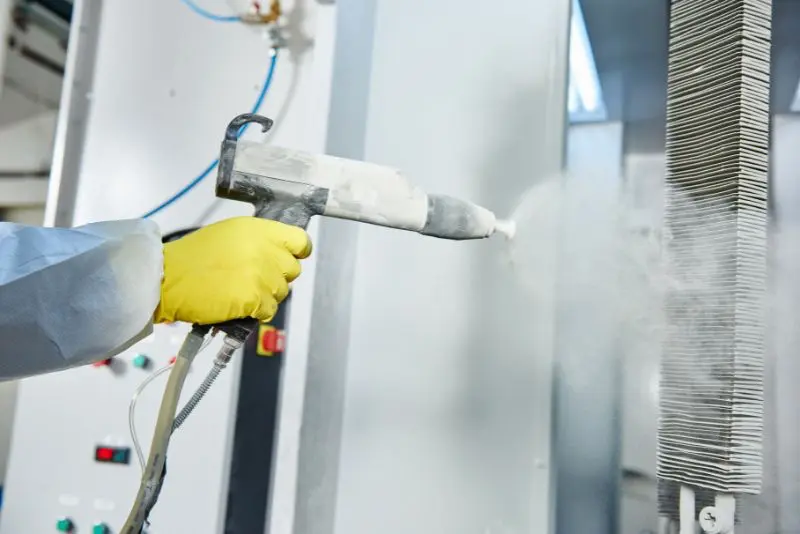
This process creates stable, solvent-free coatings for wood, leather, and plastic substrates. Adhesive and sealant formulators incorporate it into polyurethane prepolymers where controlled crosslink density and substrate adhesion are required. In polyester and alkyd resin synthesis, it functions as a chain extender that improves water compatibility for industrial and architectural coating systems. This versatility makes it a staple in modern chemical manufacturing.
Personal care formulators use DMPA-based polyurethane polymers as film-forming agents in hair fixatives and skin-feel modifiers. The material is supplied as a white crystalline powder for easy handling and processing. Standard commercial grades are available at purities of 98% and above, with technical and high-purity variants offered depending on end-use requirements. It is commonly packaged in 25 kg bags for industrial use.
Bulk quantities are available for industrial procurement to meet large-scale production needs. The product maintains high stability when stored under proper conditions, ensuring consistent performance in various chemical applications.
Other Names (Synonyms)
2,2-Bis(hydroxymethyl)propionic acid|3-Hydroxy-2-(hydroxymethyl)-2-methylpropanoic acid|2,2-Bis(hydroxymethyl)propanoic acid|DIHYDROXYPIVALIC ACID|.alpha.,.alpha.-Dimethylolpropionic acid|Propanoic acid, 3-hydroxy-2-(hydroxymethyl)-2-methyl-|Propionic acid, 2,2-bis(hydroxymethyl)-|DMPA
Key Technical Features
- High Purity Grade standard
- Consistent Batch Quality
- Full Regulatory & REACH Support
- Global Logistics Network enabled