













Methyltin mercaptide
Description
Methyltin mercaptide (CAS 57583-35-4), also known commercially as dimethyltin carboxylate, is an organotin compound used primarily as a heat stabilizer and processing aid in PVC and related polymer systems. It protects polymer chains from thermal degradation during high-temperature processing, enabling consistent output quality in demanding extrusion and molding operations for industrial manufacturers.
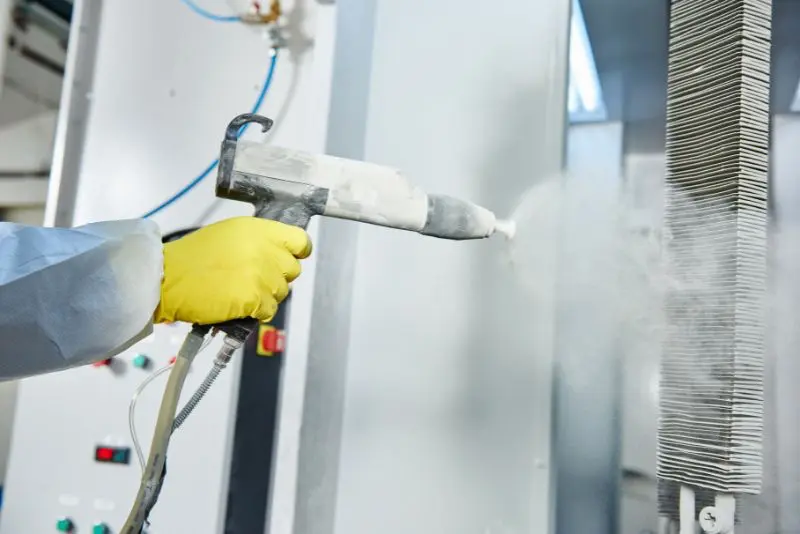
In rigid PVC processing, it functions as a thermal stabilizer that suppresses discoloration and chain scission during extrusion of pipes, profiles, and window frames where clarity is critical. Transparent PVC packaging and sheeting benefit from its ability to maintain optical clarity under processing heat without introducing haze or color shift during the manufacturing cycle.
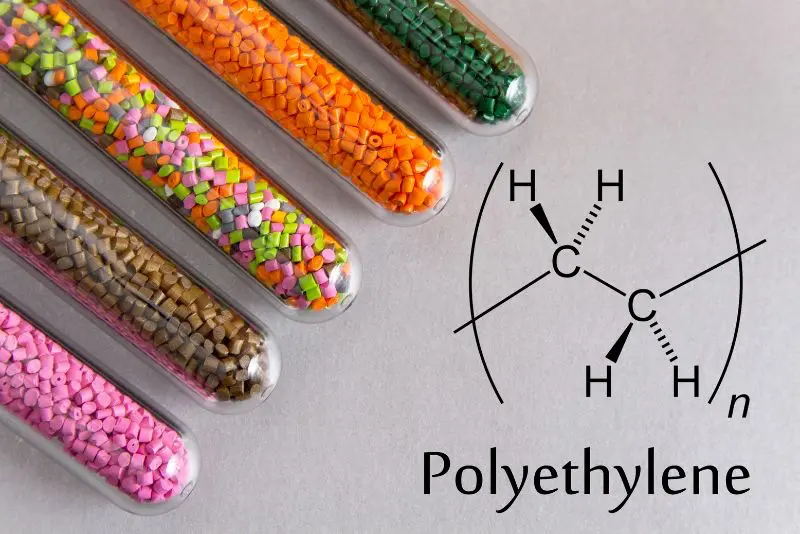
It also supports cross-linking and curing processes in specialty rubber and polymer compounding where controlled reactivity under heat is required for high-performance material applications. Formulators working with tin-catalyzed polymerization systems use it as a catalyst precursor to initiate or regulate reaction kinetics in polyester and polyurethane production workflows.
Methyltin mercaptide is supplied as a liquid at standard commercial concentrations, typically blended or compounded for direct addition to polymer processing lines in various facilities. It is available in technical grade, with supply quantities ranging from drum to bulk IBC formats suited to industrial-scale stabilizer formulations and large-scale chemical procurement needs.
Other Names (Synonyms)
2-Ethylhexyl 10-ethyl-4,4-dimethyl-7-oxo-8-oxa-3,5-dithia-4-stannatetradecanoate|2-ethylhexyl 2-[[2-(2-ethylhexoxy)-2-oxoethyl]sulfanyl-dimethylstannyl]sulfanylacetate|Dimethyltin carboxylate
Key Technical Features
- High Purity Grade standard
- Consistent Batch Quality
- Full Regulatory & REACH Support
- Global Logistics Network enabled