










Activated carbon
Description
Activated carbon (CAS 64365-11-3), also sold as activated charcoal and carrying the food colorant designation E153, is a high-surface-area adsorbent material produced from carbonaceous sources. It is manufactured from coal, coconut shell, or wood to capture contaminants, odors, colors, and dissolved organics across a broad range of industrial processes and purification systems.
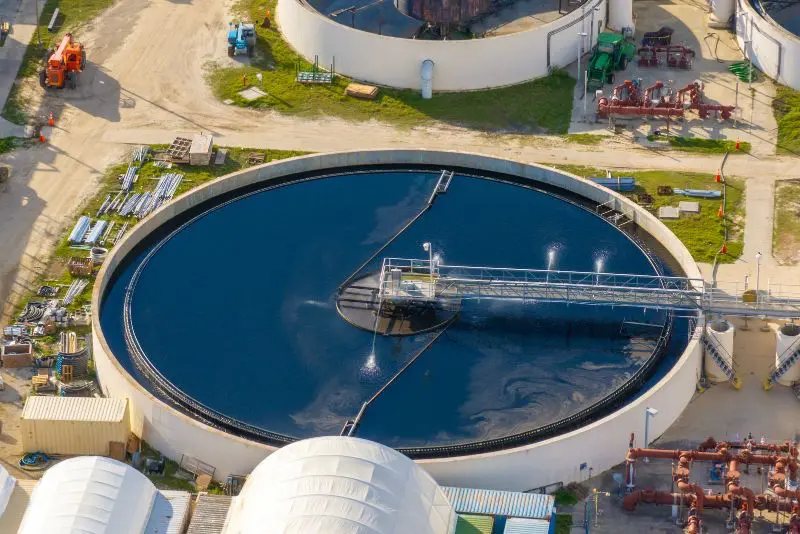
In municipal and industrial water treatment, it removes chlorine, chloramines, pesticides, and trace organic compounds from drinking water and process streams to ensure safety and compliance. Food and beverage producers use it to decolorize sugar syrups, edible oils, and fermentation liquors, meeting strict purity targets before final processing and distribution to consumers.
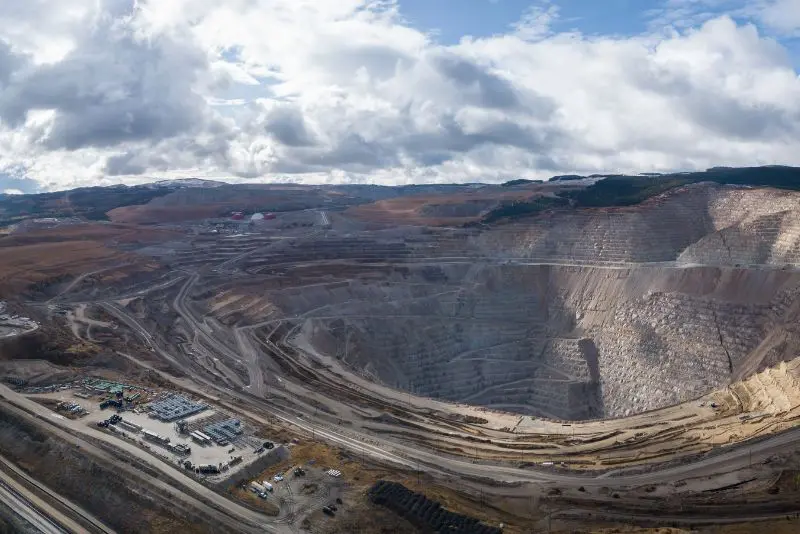
Pharmaceutical manufacturers rely on it for API purification, solvent recovery, and removal of color bodies or impurities from intermediates during the complex chemical synthesis stages. In mining, it is central to gold recovery via carbon-in-pulp and carbon-in-leach circuits, where it adsorbs dissolved gold from cyanide leach solutions for efficient extraction.
Activated carbon is supplied as granular activated carbon (GAC), powdered activated carbon (PAC), and extruded or pelletized forms. Standard grades include food-grade (FCC, E153-compliant). Other available standards include USP/BP pharmaceutical grade and technical grade. Coconut shell, coal, and wood variants are available to meet specific pore structure requirements.
Other Names (Synonyms)
active carbon|activated coal|activated charcoal|AST-120|Carbon Nanotube|Elemental Carbon|Carbon, Vitreous|Carbon 12|AC|E153
Key Technical Features
- High Purity Grade standard
- Consistent Batch Quality
- Full Regulatory & REACH Support
- Global Logistics Network enabled