













Carbon
Description
Carbon (CAS 7440-44-0) is a foundational industrial element supplied primarily as activated carbon, a processed form engineered for high surface area adsorption. It functions as a purification agent. This material is essential for filtration across water treatment, food processing, pharmaceutical manufacturing, and industrial cleaning applications. It is highly effective at removing unwanted compounds from various streams.
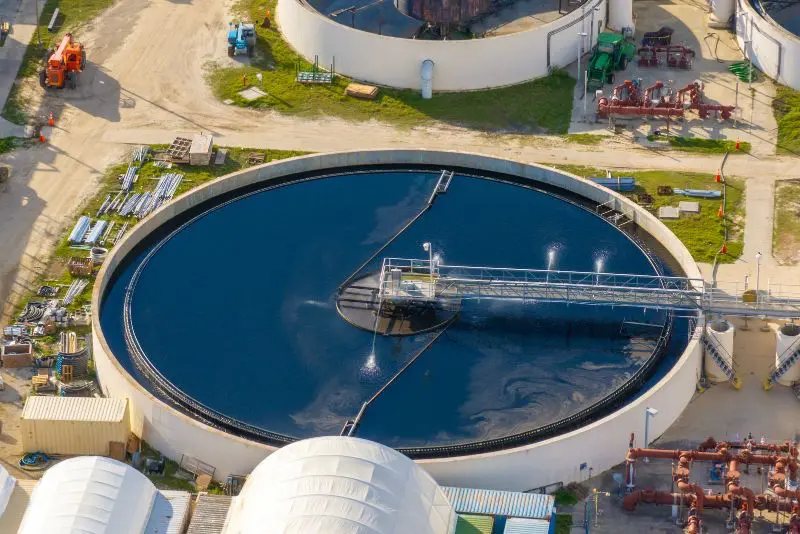
In water treatment, activated carbon removes chlorine, organic contaminants, and taste-and-odor compounds from municipal supplies. It ensures that industrial water meets the necessary safety and quality standards. Pharmaceutical manufacturers use it to decolorize and purify active ingredient streams. This process helps in meeting strict purity thresholds required for finished dosage forms and USP quality standards.
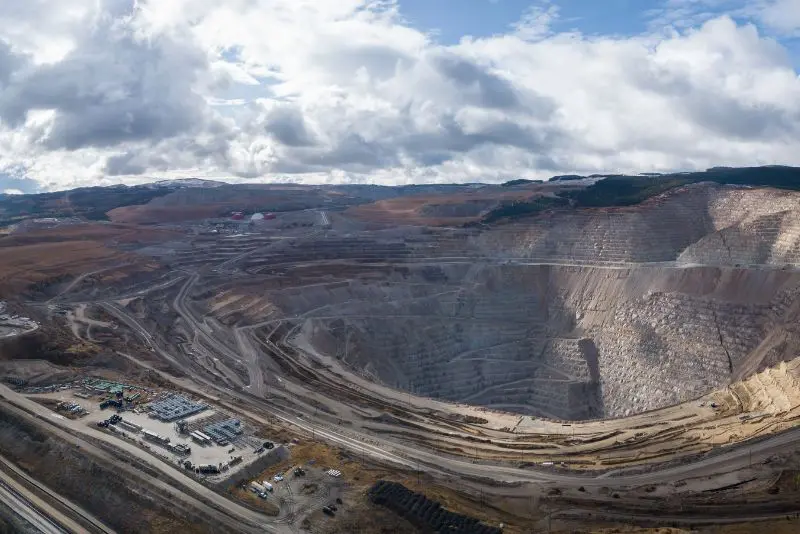
In food and beverage production, it clarifies liquids such as edible oils, sugars, and alcohols. It works by adsorbing color bodies and impurities to ensure a clear and consistent final product for consumers. Mining operations apply carbon in gold recovery circuits to capture dissolved gold from cyanide leach solutions. This occurs during carbon-in-pulp and carbon-in-leach processes used in large-scale metal extraction.
Activated carbon is available in powdered, granular, and pelletized forms to suit different filtration systems. Standard grades include food-grade and technical-grade specifications to meet diverse regulatory needs. Bulk supply is standard for industrial buyers, with smaller packaging available for laboratory procurement. These options ensure that both large-scale plants and research facilities can access high-quality carbon.
Other Names (Synonyms)
element 6|λ0-methane|monoatomic carbon|carbon atom|Carbon Nanotube|Elemental Carbon|Carbon, Vitreous|Carbon 12|AC|E601J
Key Technical Features
- High Purity Grade standard
- Consistent Batch Quality
- Full Regulatory & REACH Support
- Global Logistics Network enabled