


















Carbon black
Description
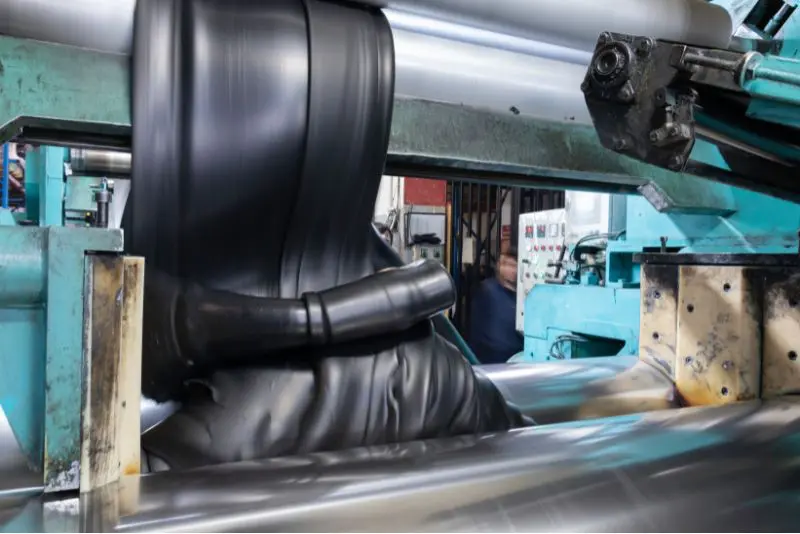
Carbon black (CAS 1333-86-4), also marketed as furnace black, lamp black, and thermal black depending on production method, is a fine carbon particulate produced through controlled combustion or thermal decomposition of hydrocarbons. In industry, it functions primarily as a reinforcing agent, pigment, and UV stabilizer across rubber, plastics, and coating systems. In tire and rubber manufacturing, it reinforces elastomer matrices to improve abrasion resistance.
This mechanical durability accounts for the majority of global consumption. Plastics compounders incorporate it as a UV stabilizer and black colorant in pipe, film, and automotive components requiring long-term outdoor performance. Printing inks and coatings rely on specific particle-size grades to achieve deep black pigmentation and controlled rheology. These are used in offset, flexographic, and industrial coating formulations to ensure consistent quality.
Sealants and adhesives use the material to modify surface wetting, improve cohesive strength, and deliver conductivity in electrically functional systems. It is supplied as a dry powder or in pelletized form for industrial use. Pellets are often preferred for dust-controlled handling in high-volume compounding operations. Grades are differentiated by particle size, structure, and surface area, commonly designated under ASTM classifications such as N220.
Other common designations include N330 and N550 for rubber applications. Specialty grades meeting food-contact or regulatory standards, including E153 classification in certain markets, are available for specific compliance. These specialty options ensure that manufacturers can meet strict end-use requirements. The versatility of the product makes it a cornerstone material for modern industrial manufacturing and chemical processing globally.
Other Names (Synonyms)
thermal black|lamp black|furnace black|channel black|acetylene black|Soot|Carbon Nanotube|Elemental Carbon|E330R
Key Technical Features
- High Purity Grade standard
- Consistent Batch Quality
- Full Regulatory & REACH Support
- Global Logistics Network enabled