













Graphite
Description
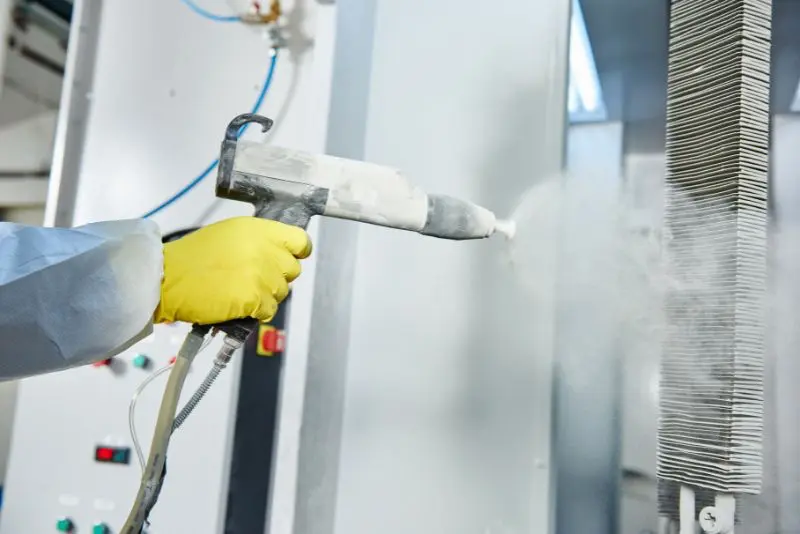
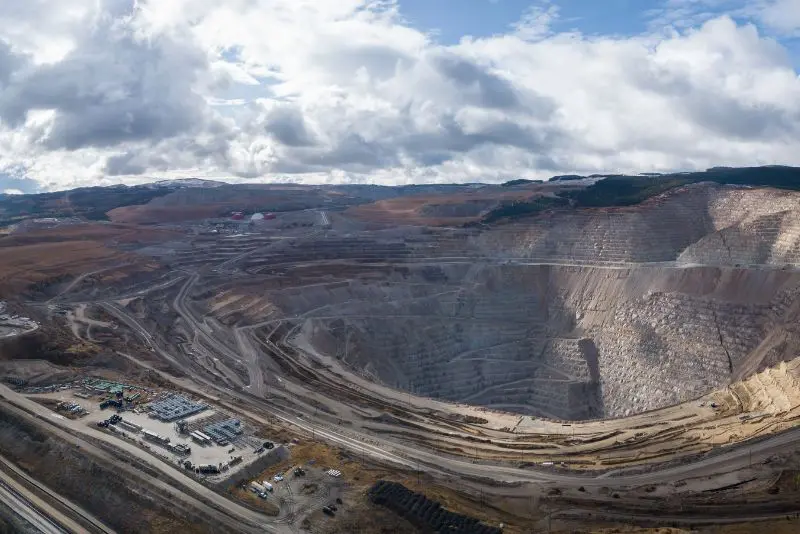
Graphite (CAS 7782-42-5) is a crystalline form of elemental carbon used across heavy industry as a solid lubricant and conductive additive. Supplied in natural and synthetic grades, it performs reliably in high-temperature and high-pressure environments. In metalworking and mining, graphite is applied as a dry lubricant in die forging, wire drawing, and drilling operations. This material reduces tool wear under extreme mechanical loads where liquid lubricants often fail to provide protection.
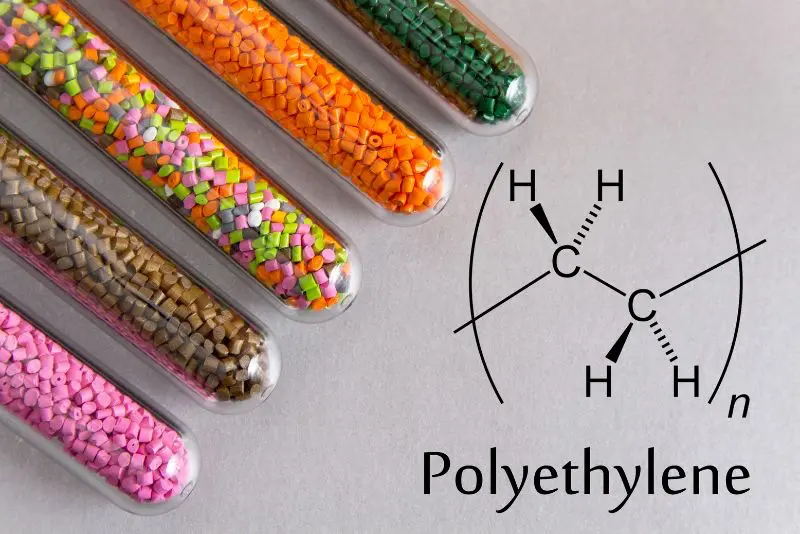
Plastics and polymer compounders incorporate graphite powder to improve wear resistance and reduce friction in engineering components. Common applications include the manufacturing of bushings, seals, and various bearing housings for machinery. Refractory and foundry applications use graphite in crucibles, mold release agents, and furnace linings. In these settings, thermal stability is the primary requirement for maintaining structural integrity during high-heat processing.
Conductive grades are also blended into electrodes, battery anodes, and antistatic coatings. Consistent electrical performance drives sourcing decisions for these specialized industrial and energy storage applications. Graphite is available as fine powder, flakes, granules, and colloidal dispersions. Natural flake and synthetic grades are the most commercially traded forms, with particle size and purity specifications varying by end-use.
Technical and battery-grade specifications are standard across the market. High-purity synthetic grades are frequently utilized in energy storage applications to ensure maximum efficiency and longevity in modern battery systems.
Other Names (Synonyms)
Carbon Nanotube|Elemental Carbon|Carbon, Vitreous|Carbon 12|SUPERSORBON S1|RefChem:66979|C.I. 77265
Key Technical Features
- High Purity Grade standard
- Consistent Batch Quality
- Full Regulatory & REACH Support
- Global Logistics Network enabled