
















Lithium carbonate
Description
Lithium carbonate (CAS 554-13-2), also referred to commercially as Li2CO3, is an inorganic lithium salt used across battery manufacturing, ceramics, and pharmaceutical production. It functions primarily as a lithium source, flux agent, and pH buffer depending on the processing environment. In lithium-ion battery manufacturing, it serves as a precursor for cathode active materials such as lithium iron phosphate and lithium cobalt oxide. This makes it a critical input for EV and energy storage supply chains globally.
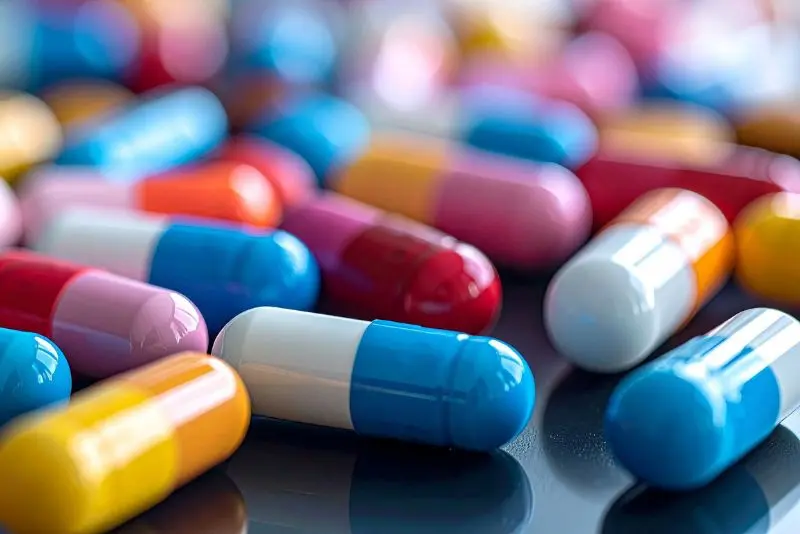
Ceramic and glass producers use it to lower melting temperatures and improve thermal stability in specialty frits, glazes, and glass-ceramics. These properties are essential for high-performance industrial glass applications. In pharmaceutical manufacturing, it is the active substance in mood-stabilizing formulations for bipolar disorder treatment. The material is processed under strict pharmacopeial controls to ensure patient safety and efficacy.
Lubricant formulators incorporate it into lithium-based greases, where it reacts with fatty acids to form the thickener structure. This structure determines grease performance across various industrial temperature ranges. Lithium carbonate is supplied as a white powder in technical, battery, and pharmaceutical grades. Battery-grade material is produced to tight purity specifications, typically exceeding 99.5 percent purity levels.
The production process includes controlled limits on sodium, calcium, and sulfate impurities to ensure stability. Pharmaceutical-grade supply conforms to USP, BP, and Ph. Eur. monographs for global compliance.
Other Names (Synonyms)
Li2CO3|dilithium carbonate|carbonic acid, dilithium salt|Lithobid|Lithane|Eskalith|Lithotabs|Carbonic acid lithium salt
Key Technical Features
- High Purity Grade standard
- Consistent Batch Quality
- Full Regulatory & REACH Support
- Global Logistics Network enabled