














Lithium chloride
Description
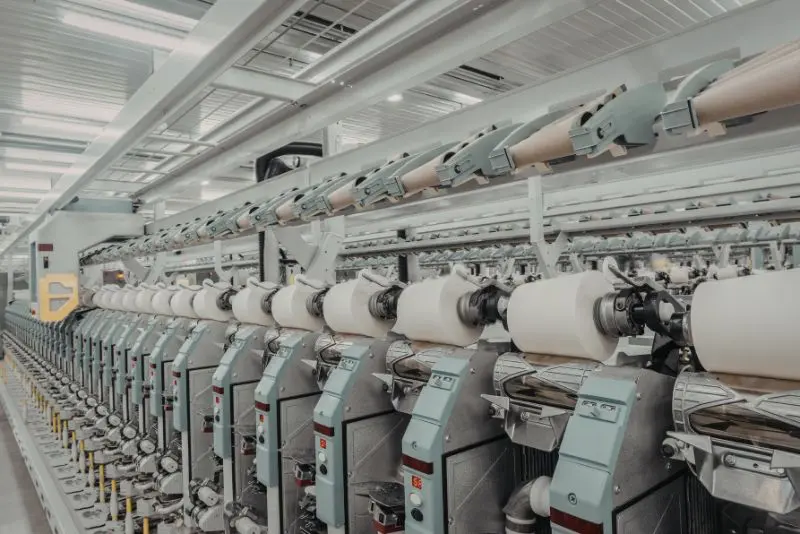
Lithium chloride (CAS 7447-41-8), commonly abbreviated as LiCl, is an inorganic salt sourced for its hygroscopic properties and ionic reactivity across industrial and specialty chemical markets. It functions as a desiccant, catalyst component, flame retardant additive, and reference electrolyte depending on the application sector. In textile processing, LiCl is used as a solvent additive to dissolve cellulose and aramid fibers.
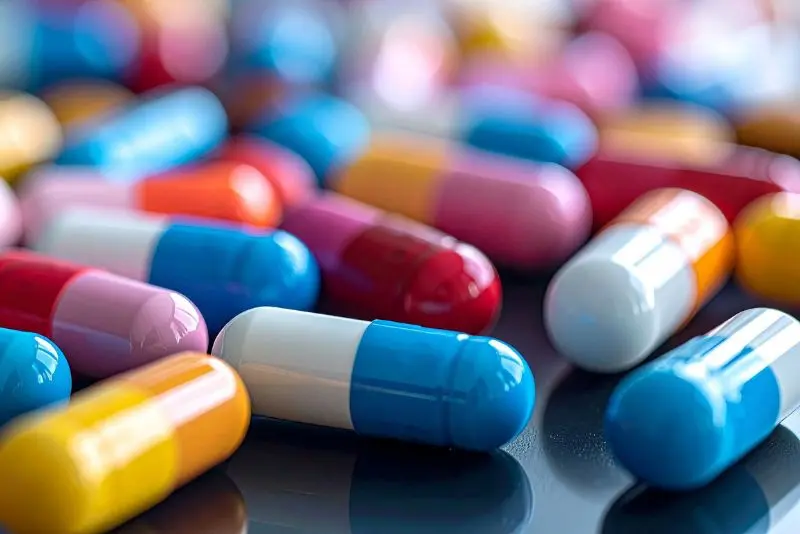
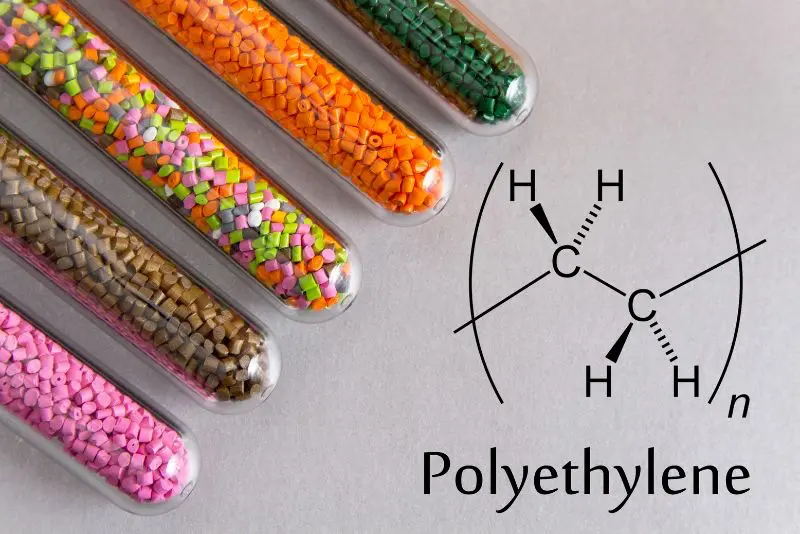
This enables the production of high-performance technical fabrics and fiber spinning solutions. Polymer manufacturers use it as a catalyst or catalyst precursor in polycondensation reactions, particularly in the production of polyamides. In pharmaceutical and biotechnology workflows, LiCl serves as a selective precipitation agent for RNA isolation. This makes it a standard reagent in nucleic acid purification protocols for laboratory and industrial use.
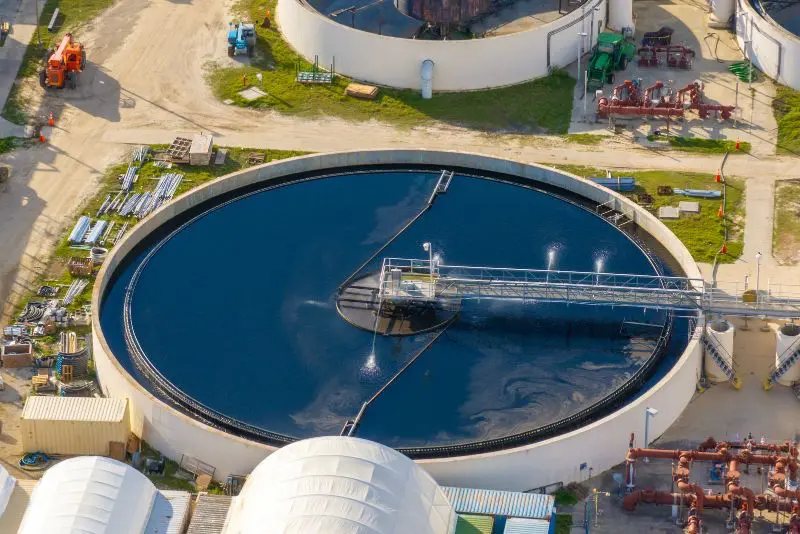
Water treatment and industrial humidification systems use LiCl-based solutions for moisture control and humidity regulation in closed-loop environments. The compound is supplied as a white crystalline powder or in anhydrous granule form. Anhydrous purity is the most commercially traded specification for this material. Standard grades include technical, pharmaceutical, and reagent-grade, with purity levels typically ranging from 98% to 99.9%.
Packaging is available in moisture-resistant containers due to the compound's strong affinity for atmospheric water. This ensures the product maintains its integrity and flowability during transport and storage.
Other Names (Synonyms)
LiCl|chlorure de lithium|Chlorku litu|Lithium chloride (LiCl)|LITHIUM MURIATICUM|G4962QA067|Lithium monochloride
Key Technical Features
- High Purity Grade standard
- Consistent Batch Quality
- Full Regulatory & REACH Support
- Global Logistics Network enabled