
















Lithium hydroxide
Description
Lithium hydroxide (CAS 1310-65-2), also known as lithium hydrate, is a strong inorganic base supplied in both anhydrous and monohydrate forms. It is used across battery manufacturing, lubricant production, and chemical synthesis as an alkalizing agent and catalyst precursor. Demand has grown sharply with the expansion of lithium-ion battery supply chains, where it serves as a direct cathode precursor material. In electric vehicle and energy storage battery production, it is the preferred feedstock for manufacturing high-nickel NMC and NCA cathode active materials.
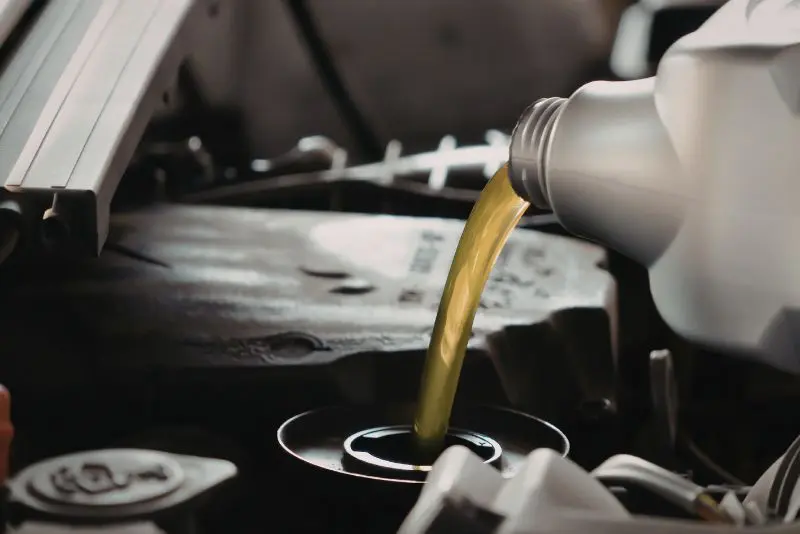
Lubricant manufacturers use it to saponify fatty acids, producing lithium-based greases valued for high-temperature and multi-purpose performance. In pharmaceuticals and specialty chemicals, it functions as a pH regulator and base catalyst in synthesis processes requiring precise alkalinity control. Paper and textile processors apply it for mercerization and fiber treatment, where controlled alkaline conditions affect surface structure and dye uptake. Lithium hydroxide is available as a white powder or granules in both anhydrous and monohydrate forms.
Battery-grade lithium hydroxide monohydrate is the dominant commercial specification, with purity typically at 56.5% LiOH minimum. It features low impurity thresholds for metals such as sodium, calcium, and sulfate to ensure high performance in electrochemical applications. Technical and reagent grades are also available for industrial and laboratory procurement. These grades meet various industrial requirements and are often tested against rigorous quality standards such as ACS or USP depending on the specific application needs.
Other Names (Synonyms)
lithium hydrate|LiOH|lithium hydroxide anhydrous|Lithium hydroxide (Li(OH))|903YL31JAS|RefChem:5957|Bluesil SLT-CATA 51015
Key Technical Features
- High Purity Grade standard
- Consistent Batch Quality
- Full Regulatory & REACH Support
- Global Logistics Network enabled