
















Glyoxal-hydroxyethyl cellulose copolymer
Description
Glyoxal-hydroxyethyl cellulose copolymer (CAS 68957-96-0), also known commercially as HEC 10, is a crosslinked cellulose derivative produced by reacting hydroxyethyl cellulose with glyoxal. The crosslinking imparts controlled water solubility and thickening behavior that standard hydroxyethyl cellulose cannot achieve, making it a distinct choice for formulators requiring modified rheological profiles.
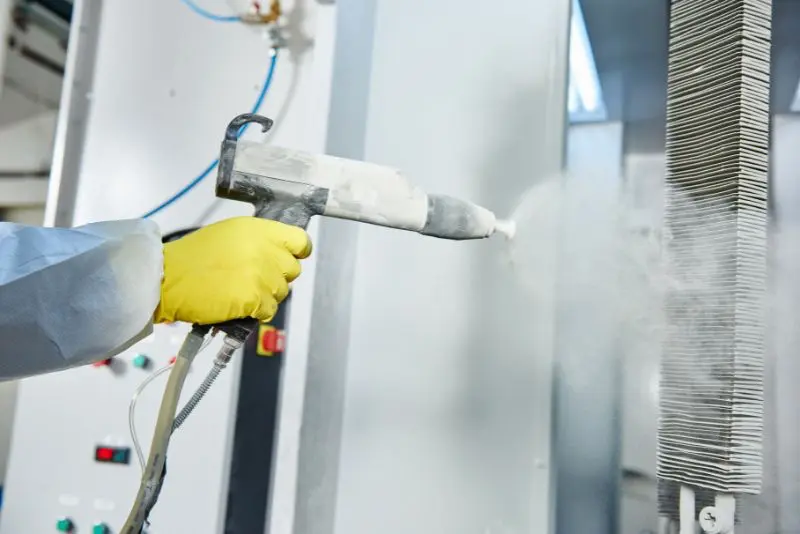
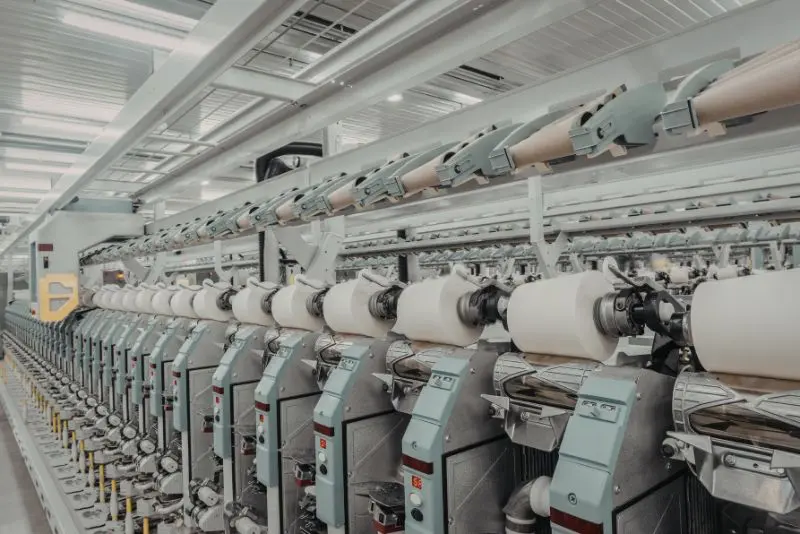
In architectural and industrial coatings, it functions as a rheology modifier that resists sagging while maintaining open time and brush drag characteristics during the application process. Textile and paper processors use it as a sizing and finishing agent where controlled film formation and moisture retention are required for high-quality industrial manufacturing and processing.
Personal care formulators incorporate it into rinse-off and leave-on products to build viscosity and stabilize emulsions without excessive tackiness, ensuring a smooth and consistent final texture. In construction materials such as tile adhesives and joint compounds, it supports water retention and workability during application, providing essential structural integrity for building projects.
Glyoxal-hydroxyethyl cellulose copolymer is supplied as a dry powder. Technical grade is the standard commercial offering, with product performance typically defined by viscosity grade and substitution. The material is not typically defined by FCC, USP, Ph.Eur., BP, EP, or ACS standards. Packaging is commonly available in bags or drums suited to industrial procurement volumes.
Other Names (Synonyms)
Cellulose, 2-hydroxyethyl ether, polymer with ethanedial|Ethanedial, polymer with cellulose 2-hydroxyethyl ether|HEC 10|Hecellose B 100K|Hydroxyethyl cellulose
Key Technical Features
- High Purity Grade standard
- Consistent Batch Quality
- Full Regulatory & REACH Support
- Global Logistics Network enabled