












SoleChem

Copper

CAS
7440-50-8
EC
231-159-6
Mol. Weight
63.55 g/mol

Description

Copper (CAS 7440-50-8), abbreviated Cu and approved as food colorant E115, is a base metal supplied in refined elemental form for industrial, agricultural, and chemical processing applications.

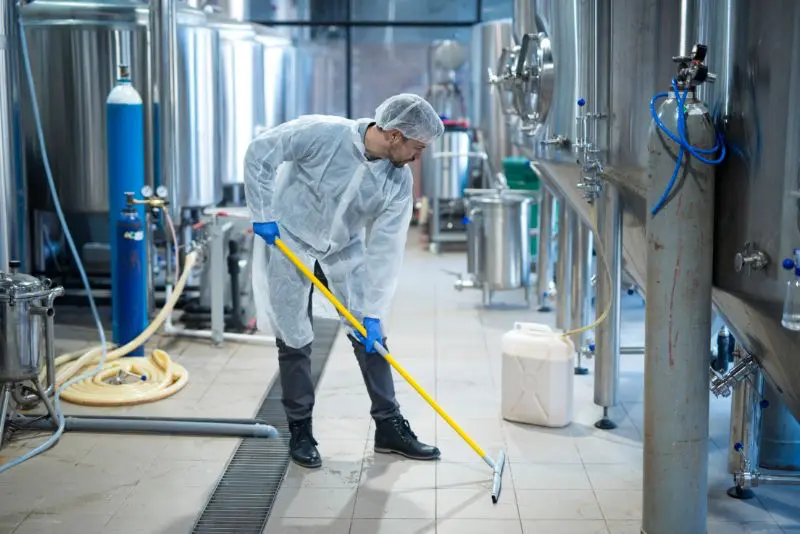
It functions as a biocide, catalyst, and conductive material across a broad range of manufacturing and treatment processes. In water treatment, copper is used in algaecide and antifouling systems.

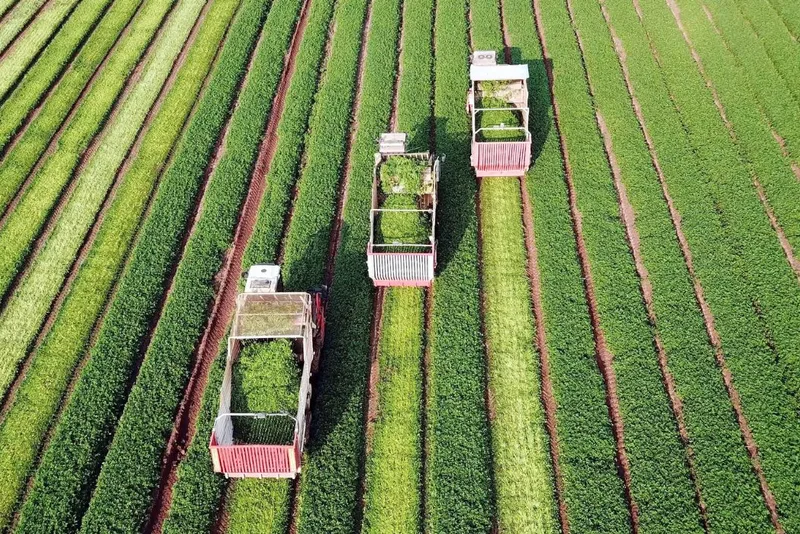
These systems control microbial growth in cooling towers, reservoirs, and distribution infrastructure. Agriculture relies on copper-based formulations, including fungicides and soil amendments, to manage crop disease.

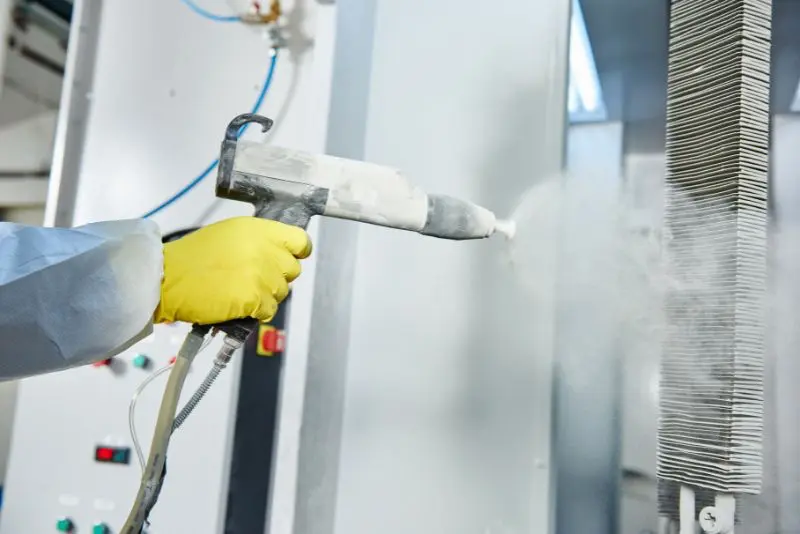
It is also used to correct mineral deficiencies in livestock feed. Electronics and surface finishing industries consume refined copper for electroplating, conductive coatings, and printed circuit board fabrication.

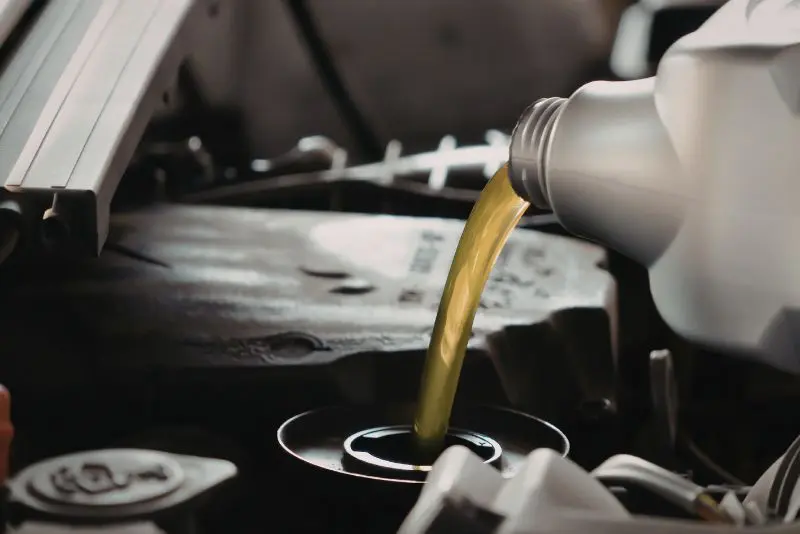
In chemical processing, copper serves as a catalyst or catalyst precursor in hydrogenation, oxidation, and organic synthesis reactions. Copper is supplied as cathode sheets, powder, granules, wire, and flakes.

Purity grades range from standard technical to high-purity electrolytic (99.99%). Powder grades are available in varying mesh sizes to suit catalyst preparation, pigment blending, or metallurgical applications.

Recognized commercial grades include electrolytic tough pitch (ETP) and oxygen-free (OF) copper for electrical and precision uses. This material meets rigorous industrial and chemical specifications.

Contact us for supply of Copper

Request Quote

Physical Properties

Melting Point 1083 °C
Boiling Point 2595 °C
Density 8.94 g/cm³
Flash Point -23 °C
Appearance Copper is a reddish-brown metal which occurs free or in ores, such as malachite, cuprite, and chalcopyrite.
Color Rust-brownish
Form wire
Water Solubility insoluble
Vapor Pressure 0Pa at 20℃
pH 3.2 (20°C in H2O)

Safety & Handling (Learn More)

Warning GHS09 GHS07 GHS08
Hazard Statements
H302 Harmful if swallowed
H317 May cause an allergic skin reaction
H335 May cause respiratory irritation
H370 Causes damage to organs
H372 Causes damage to organs through prolonged or repeated exposure
H400 Very toxic to aquatic life
H410 Very toxic to aquatic life with long lasting effects
H411 Toxic to aquatic life with long lasting effects
Precautionary Statements
P260 Do not breathe dust/fume/gas/mist/vapours/spray.
P261 Avoid breathing dust/fume/gas/mist/vapours/spray.
P264 Wash … thoroughly after handling.
P270 Do not eat, drink or smoke when using this product.
P271 Use only outdoors or in a well-ventilated area.
P272 Contaminated work clothing should not be allowed out of the workplace.
P273 Avoid release to the environment.
P280 Wear protective gloves/protective clothing/eye protection/face protection.
P319 Get medical advice/attention if you feel unwell.
P321 Specific treatment (see … on this label).
P330 Rinse mouth.
P391 Collect spillage.
P405 Store locked up.
P501 Dispose of contents/container in accordance with local regulations.
P301+P317 Get emergency medical help.
P302+P352 IF ON SKIN: Wash with plenty of water.
P304+P340 IF INHALED: Remove person to fresh air and keep comfortable for breathing.
P308+P316 Get emergency medical help immediately.
P333+P317 Get emergency medical help.
P362+P364 Take off contaminated clothing and wash it before reuse.
P403+P233 Store in a well-ventilated place. Keep container tightly closed.

Trade & Regulatory

HS Code 74081900
UN Number 3089
ADR Class 4.1
Packing Group II
WGK (Germany) 3

Documentation

Other Names

Tatum-T|Paragard T 380A|element 29|CU-7|29Cu|Copper powder|cuprum|Bronze powder|Cu|E115

Related Products

Need a chemical? Get a quote within 24 hours.

Call Request Quote