

















Hydroxylated lecithin
Description
Hydroxylated lecithin (CAS 8029-76-3) is a chemically modified phospholipid derived from standard lecithin through controlled hydroxylation. This modification enhances its hydrophilic character, making it a more effective emulsifier. It acts as a superior dispersing agent compared to conventional lecithin across water-continuous systems. In food manufacturing, it stabilizes oil-in-water emulsions in dressings, sauces, and low-fat spreads where standard lecithin underperforms.
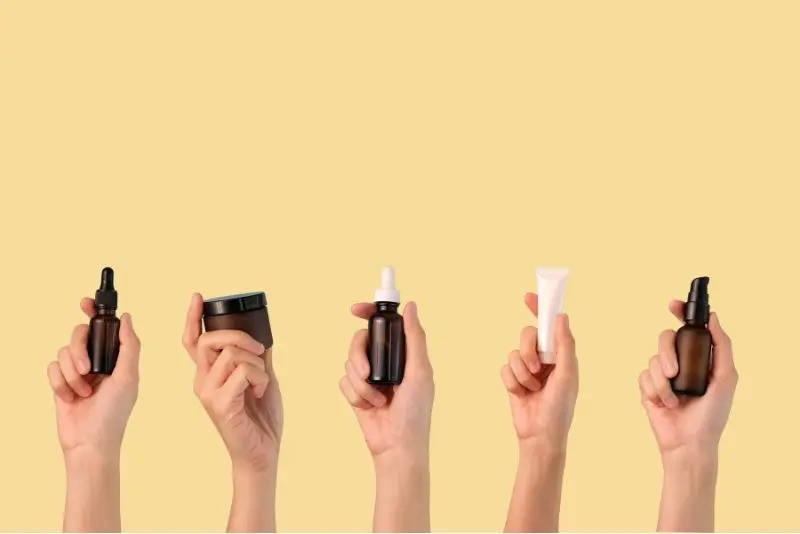
Chocolate and confectionery producers use it to reduce viscosity during processing and improve moisture tolerance in coatings. Personal care formulators incorporate it into creams and lotions as both an emulsifier and humectant. This ingredient improves skin feel and emulsion stability without the need for synthetic surfactants. Pharmaceutical manufacturers apply it in oral and topical formulations requiring biocompatible emulsification of lipophilic actives.
Hydroxylated lecithin is supplied as a viscous liquid or semi-solid, depending on the carrier and concentration. Food-grade material meeting FCC specifications is the most commonly traded form in the global market. Some suppliers offer non-GMO and organic-certified variants to meet clean-label sourcing requirements. Technical-grade material is also available for various industrial applications outside of the food and pharma sectors.
Other Names (Synonyms)
Lecithins, hydroxylated|Hydroxylated lecithins|Alcolec Z 3|Centrolene A|Precept 8120
Key Technical Features
- High Purity Grade standard
- Consistent Batch Quality
- Full Regulatory & REACH Support
- Global Logistics Network enabled