
















Tris(2-hydroxyethyl) isocyanurate
Description
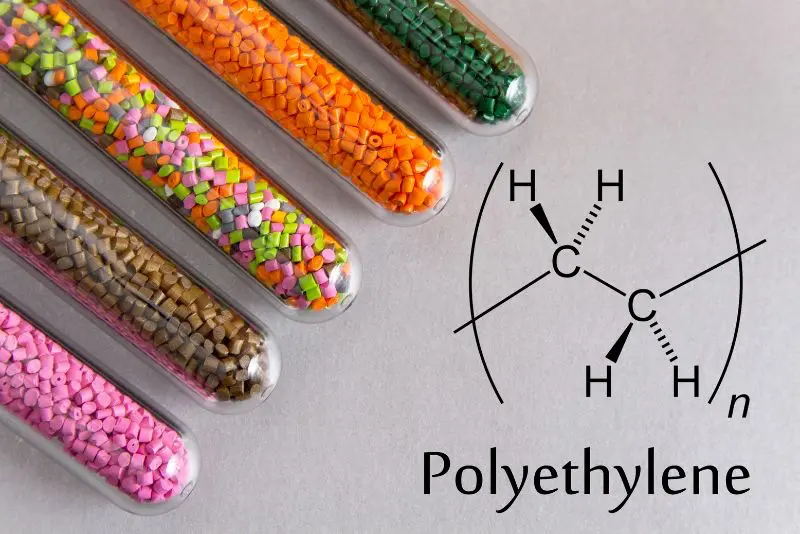
Tris(2-hydroxyethyl) isocyanurate (CAS 839-90-7), commonly known as THEIC, is a triazine-based triol used as a reactive intermediate and crosslinking agent across polymer and personal care applications. Its three hydroxyl groups make it a functional building block for resin synthesis, ester formation, and network curing systems. In wire and cable insulation, it is reacted with polyester or polyimide systems.
This process produces high-temperature magnet wire enamels that meet demanding thermal class requirements. Polyurethane and alkyd resin formulators incorporate it as a polyol component to improve heat resistance. It also enhances mechanical durability in coatings and adhesives. In personal care formulations, it functions as a humectant and emulsifier in skin conditioning products where moisture retention is a priority.
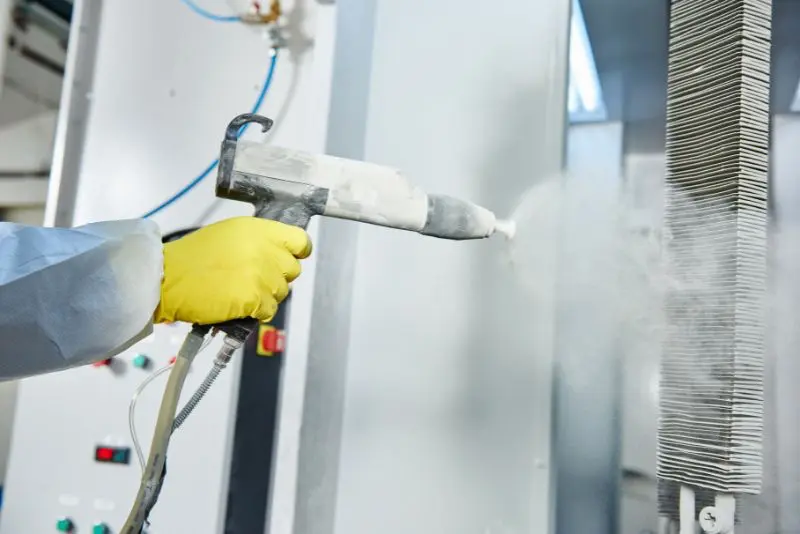
Formulation stability remains a key benefit in these applications. Crosslinking applications in powder coatings and specialty resins also draw on its reactivity with isocyanates and carboxylic acids. This builds cured networks with elevated thermal performance. The product is supplied as a white crystalline powder. Standard commercial grades include technical and high-purity specifications for industry.
Purity levels are typically at 98% or above confirmed by HPLC. Packaging ranges from kilogram-scale bags to bulk quantities suited for industrial resin production and large-scale manufacturing needs.
Other Names (Synonyms)
Theic|Tris(hydroxyethyl) cyanurate|Tris(2-hydroxyethyl)cyanurate|Tris(hydroxyethyl) isocyanurate|Isocyanuric acid tris(2-hydroxyethyl) ester|Tris(beta-hydroxyethyl) isocyanurate|1,3,5-Triazine-2,4,6(1H,3H,5H)-trione, 1,3,5-tris(2-hydroxyethyl)-|s-Triazine-2,4,6(1H,3H,5H)-trione, 1,3,5-tris(2-hydroxyethyl)-
Key Technical Features
- High Purity Grade standard
- Consistent Batch Quality
- Full Regulatory & REACH Support
- Global Logistics Network enabled