





Caprolactam
Description
Caprolactam (CAS 105-60-2), commonly abbreviated as CPL, is the primary monomer used to produce Nylon 6, one of the world's most commercially significant engineering polymers. Epsilon-Caprolactam undergoes ring-opening polymerization to yield polycaprolactam, forming the backbone of synthetic fiber and resin production at industrial scale.
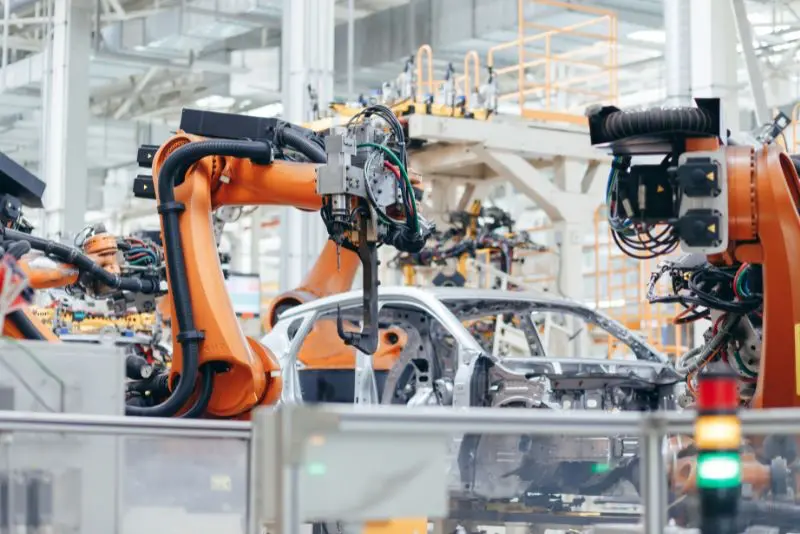
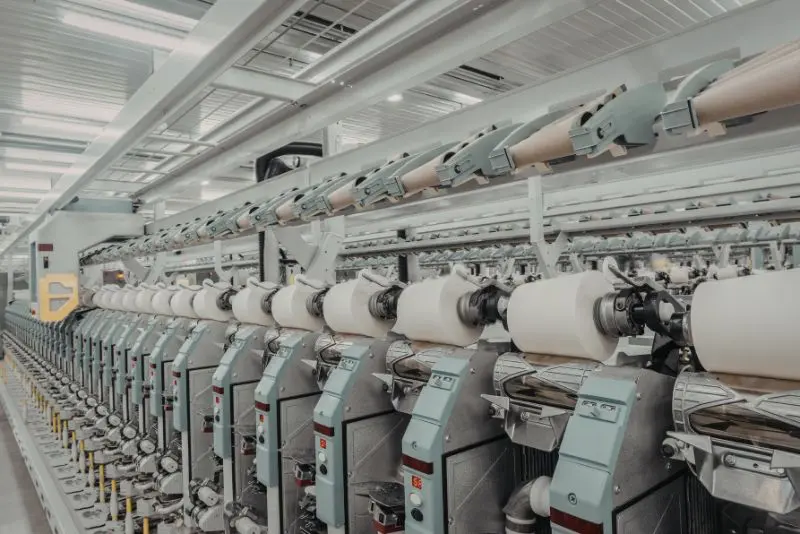
The dominant use of CPL is in synthetic fiber manufacturing, where polymerized Nylon 6 is extruded into yarn for apparel, hosiery, carpeting, and technical textiles. In plastics and engineering resins, it feeds the production of injection-molded components including automotive parts, gears, and structural housings for various industries.
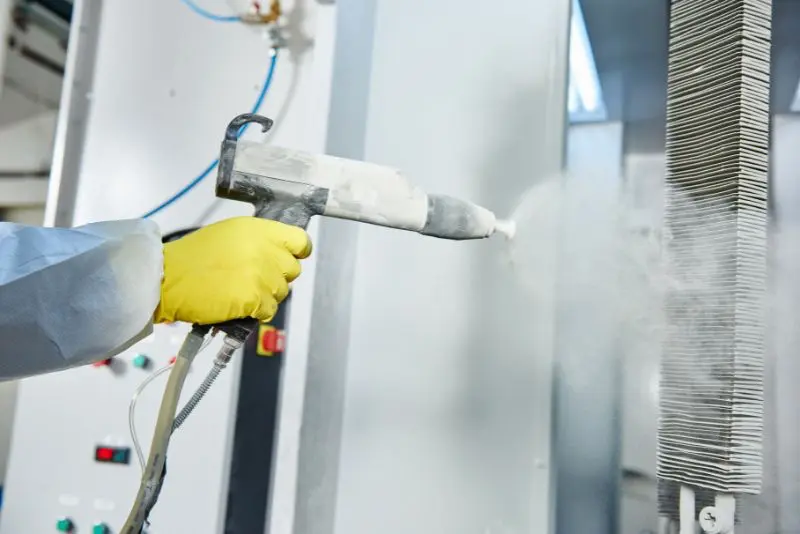
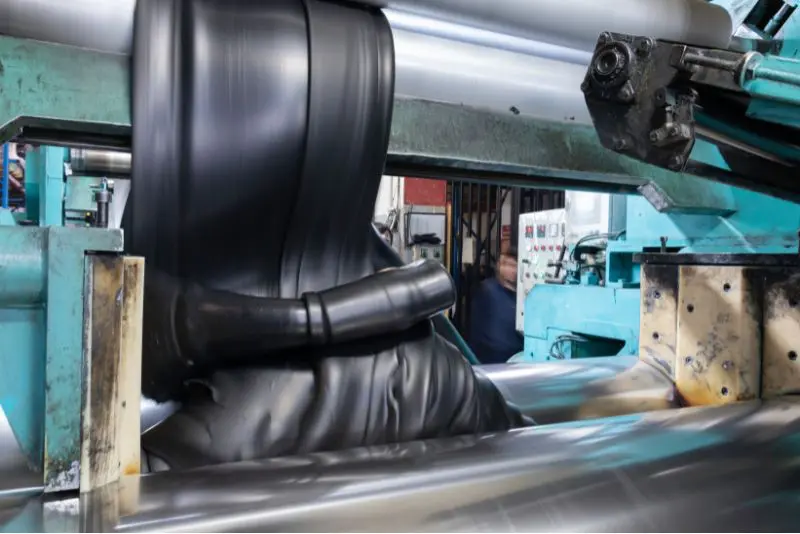
Caprolactam also serves as a building block for polyurethane coatings and adhesives used in leather finishing and industrial paper treatments across the global market. Specialty applications include its use as a blocking agent for isocyanates in reactive coating systems, where controlled deblocking at elevated temperatures enables precise cure profiles.
Caprolactam is supplied as a white crystalline solid or in molten liquid form for bulk industrial shipment to ensure efficient processing for large-scale manufacturers. Standard commercial grades include technical-grade and fiber-grade CPL, with purity levels typically at 99.5% or higher to meet strict downstream polymerization requirements.
Other Names (Synonyms)
Hexahydro-2H-azepin-2-one|epsilon-Caprolactam|Aminocaproic lactam|6-caprolactam|2-oxohexamethylenimine|2-Oxohexamethyleneimine|2-ketohexamethyleneimine|2-azepanone|CPL
Key Technical Features
- High Purity Grade standard
- Consistent Batch Quality
- Full Regulatory & REACH Support
- Global Logistics Network enabled