














Sebacic acid
Description
Sebacic acid (CAS 111-20-6) is a straight-chain dicarboxylic acid derived primarily from castor oil, used as a monomer and intermediate across polymer, lubricant, and personal care manufacturing. FEMA 4943 status covers its use as a flavoring agent in food applications. Its bifunctional acid structure makes it a reliable building block for esterification and condensation reactions at industrial scale.
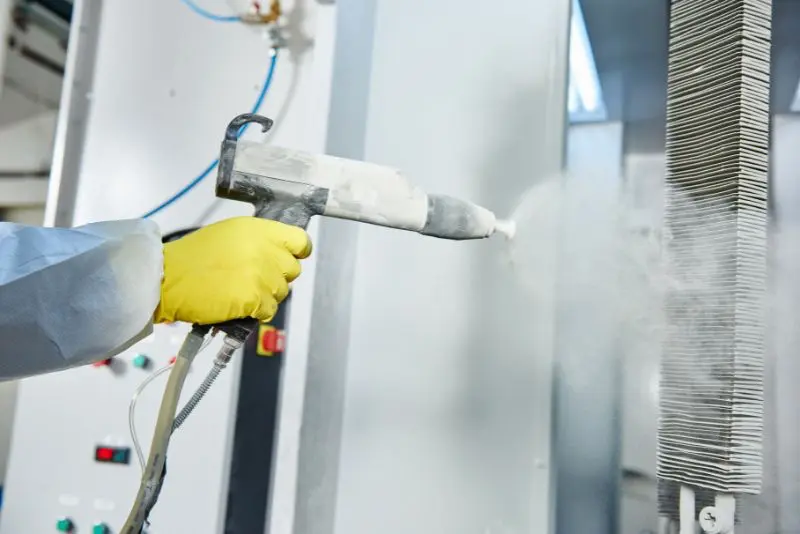
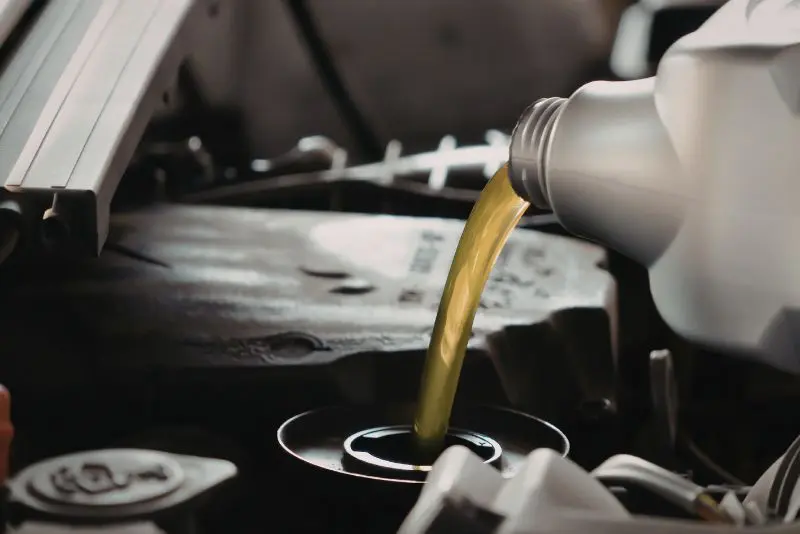
In polymer manufacturing, sebacic acid is reacted with diols or diamines to produce polyesters and polyamides with improved low-temperature flexibility, targeting engineering plastics and specialty films. Lubricant formulators use sebacate esters synthesized from sebacic acid and branched alcohols as base fluids and additives in aviation, automotive, and high-performance greases where thermal stability is required.
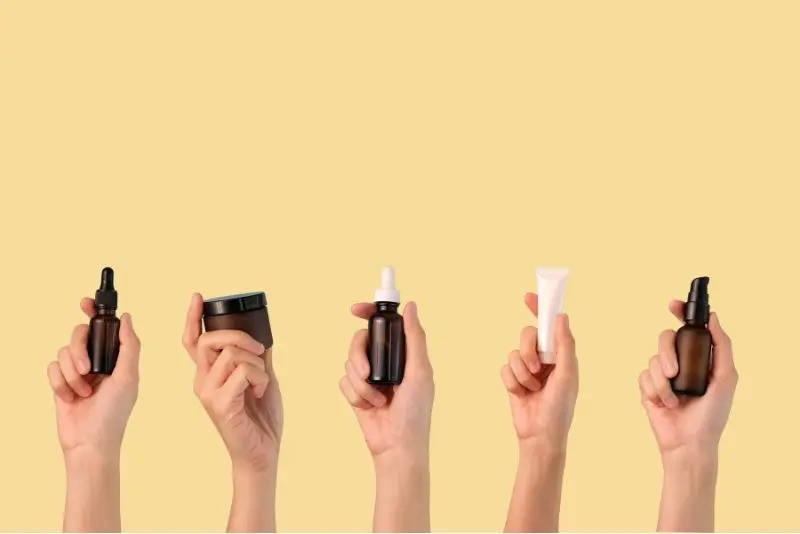
In personal care, sebacic acid functions as an emollient precursor and pH buffer in skin-conditioning formulations and emulsions. Food and flavor manufacturers apply it at trace levels as a flavoring compound. Sebacic acid is supplied as a white crystalline powder or flake. Standard commercial grades include technical, food-grade, and USP/BP specifications to meet requirements across industrial and regulated applications.
Purity levels typically range from 99% for high-grade material down to technical grades suited for polymer and lubricant synthesis. This material is handled according to standard industrial safety protocols.
Other Names (Synonyms)
Sebacate|Seracic acid|Sebacic acids|N-Decanedioic acid|N-Decanedioate|Ipomic acid|Dicarboxylic acid C10|Decanedicarboxylic acid
Key Technical Features
- High Purity Grade standard
- Consistent Batch Quality
- Full Regulatory & REACH Support
- Global Logistics Network enabled