


















Gypsum
Description
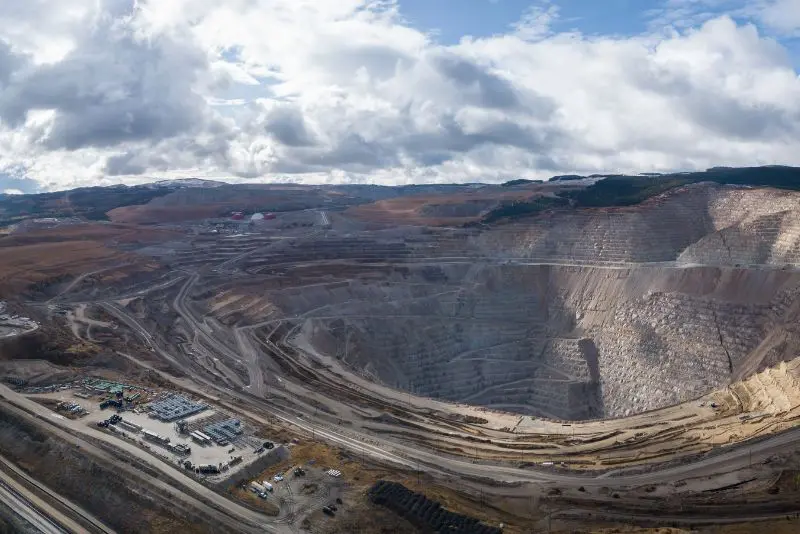
Gypsum (CAS 13397-24-5), also sold as mineral white, is a naturally occurring calcium sulfate dihydrate used across construction, agriculture, and food processing. It functions as a setting agent, soil conditioner, and rheology modifier depending on the application sector. In food manufacturing, gypsum acts as a coagulant in tofu production and a calcium-fortifying agent in beverages and baked goods. Construction applications rely on it as the primary raw material for drywall, plaster, and cement retarders.
Controlled set time is critical to product performance in these industrial settings. Agricultural buyers source gypsum to improve soil structure in clay-heavy fields and supply calcium and sulfur to crops without altering soil pH. In paper manufacturing, it functions as a filler and coating pigment that improves sheet brightness and printability. Gypsum is supplied as a fine powder, granules, or crushed stone depending on the specific end-use requirement.
Food-grade and FCC-compliant grades are available for direct food contact applications. Technical and agricultural grades cover construction and soil amendment uses where high purity is not the primary concern. Purity levels and particle size distribution are the primary specification variables buyers should confirm with suppliers. This ensures the material meets the necessary standards for the intended industrial or commercial application.
Other Names (Synonyms)
mineral white|hydrated calcium sulfate|gypsum stone|gypsum mineral|gypsum Fibrosum|calcium(II) sulfate dihydrate|Calcium sulfate dihydrate|Satinite
Key Technical Features
- High Purity Grade standard
- Consistent Batch Quality
- Full Regulatory & REACH Support
- Global Logistics Network enabled