

















Sodium trithiocyanurate
Description
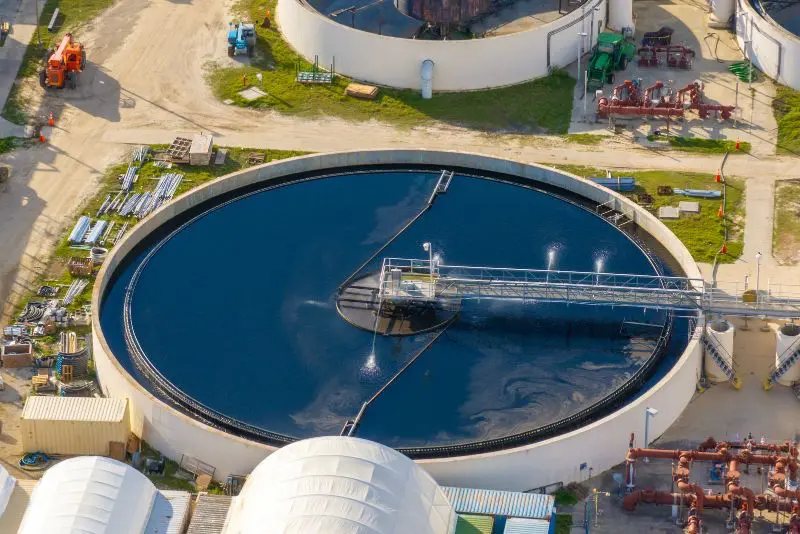
Sodium trithiocyanurate (CAS 17766-26-6), commercially known as TMT, is the trisodium salt of trithiocyanuric acid used to precipitate and immobilize heavy metal ions in industrial processes. It reacts selectively with dissolved metals to form stable, insoluble complexes that can be separated from liquid streams. In industrial wastewater treatment, TMT precipitates heavy metals such as mercury and lead.
It also targets cadmium and copper from effluent streams, enabling compliance with discharge limits. Mining and mineral processing operations use it to remove residual metal contaminants from process water. It is frequently applied to tailings pond runoff and electroplating wastewater where conventional hydroxide precipitation alone fails to meet regulatory thresholds. This ensures safer environmental discharge.
Metal smelting and refining facilities use TMT as a polishing agent in final effluent treatment. This process captures trace dissolved metals that resist other common treatment methods effectively. Sodium trithiocyanurate is supplied as an aqueous solution, most commonly at 15% concentration. This is the standard commercial form for dosing systems in large scale industrial facilities.
Dry powder form is available for applications requiring concentrated stock preparation or extended shelf storage. Technical grade is the primary specification offered for these industrial uses. Product quality is typically characterized by active content and heavy metal precipitation efficacy. This ensures the chemical meets the necessary performance standards for heavy metal remediation.
Other Names (Synonyms)
trisodium 1,3,5-triazine-2,4,6-trithiolate|EW8XOU36QW|Trithiocyanuric acid trisodium salt|1,3,5-Triazine-2,4,6(1H,3H,5H)-trithione, trisodium salt|Trimercapto-s-triazine trisodium salt|TMT 18|1,3,5-Triazine-2,4,6(1H,3H,5H)-trithione, sodium salt (1:3)|s-Triazine-2,4,6-trithiol, trisodium salt|TMT
Key Technical Features
- High Purity Grade standard
- Consistent Batch Quality
- Full Regulatory & REACH Support
- Global Logistics Network enabled