


















N,N-dicyclohexyl-2-benzothiazolesulfenamide
Description
N,N-Dicyclohexyl-2-benzothiazolesulfenamide (CAS 4979-32-2), commonly known as DCBS, is a delayed-action sulfenamide accelerator used in rubber vulcanization. It controls the onset and rate of cure, giving processors a longer scorch safety window before crosslinking begins. DCBS is the preferred accelerator in tire manufacturing, where it enables safe processing of thick-section components such as sidewalls, treads, and bead fillers without premature cure.
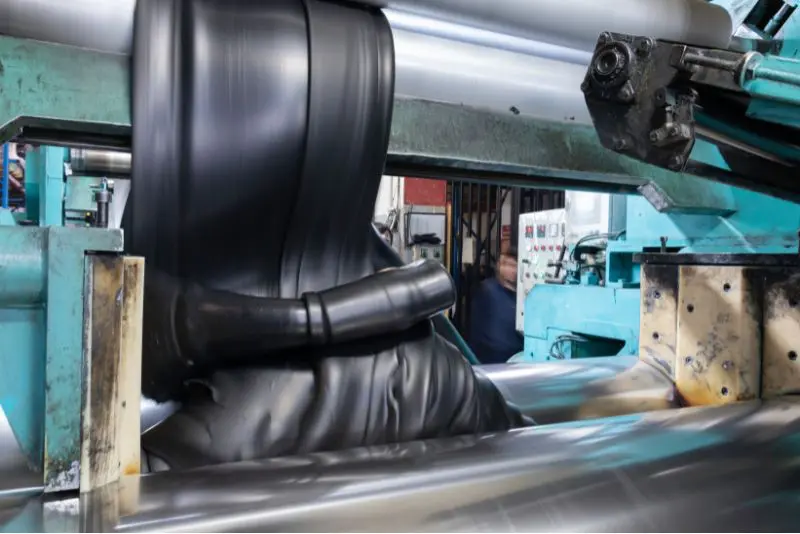
In industrial rubber goods, such as conveyor belts, hoses, and seals, it supports consistent crosslink density across heavy-gauge profiles. Formulators combine it with secondary accelerators to fine-tune cure speed. Commonly paired with DPG or TBBS, it helps achieve specific modulus development in demanding compound specifications. Its delayed onset also makes it suitable for injection-molded and transfer-molded rubber parts.
This is particularly critical where extended flow time is required before cure initiates. DCBS is supplied as an off-white to pale yellow powder or granules, with granular form preferred for dust-controlled handling. The material is available in technical rubber grade, the standard specification for this accelerator class. Packaging typically ranges from 25 kg bags to bulk quantities for industrial use.
Active content specifications are confirmed by melting point and assay testing per supplier certificates of analysis. This ensures consistent performance across various manufacturing batches and applications.
Other Names (Synonyms)
Benzothiazyl-2-dicyclohexyl sulfenamide (dcbs)|n-(1,3-benzothiazol-2-ylsulfanyl)-n-cyclohexylcyclohexanamine|DCBS
Key Technical Features
- High Purity Grade standard
- Consistent Batch Quality
- Full Regulatory & REACH Support
- Global Logistics Network enabled