
















Dibenzyl disulfide
Description
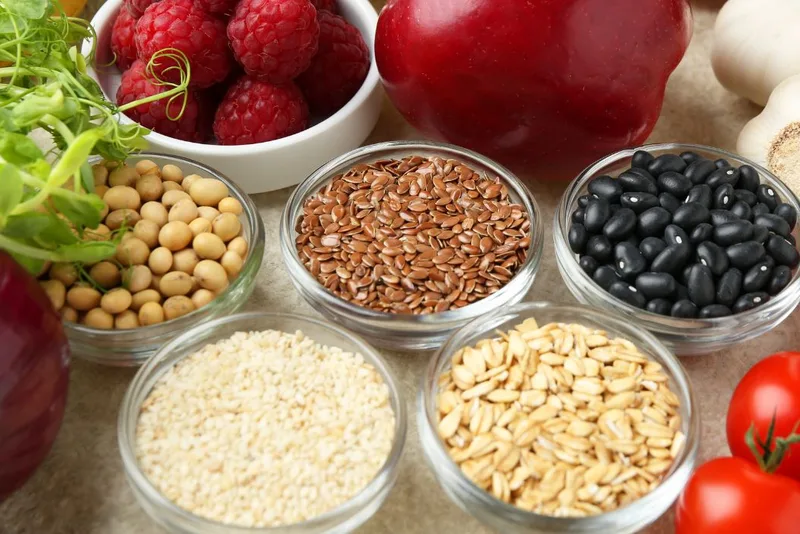
Dibenzyl disulfide (CAS 150-60-7), also known as DBDS, is an organosulfur compound used as a flavoring agent, antioxidant, and catalyst precursor across food, cosmetic, and industrial applications. Assigned FEMA 3617, it is recognized as a flavor ingredient in regulated food and fragrance contexts. In food and beverage flavoring, DBDS contributes characteristic savory, roasted, and sulfurous notes.
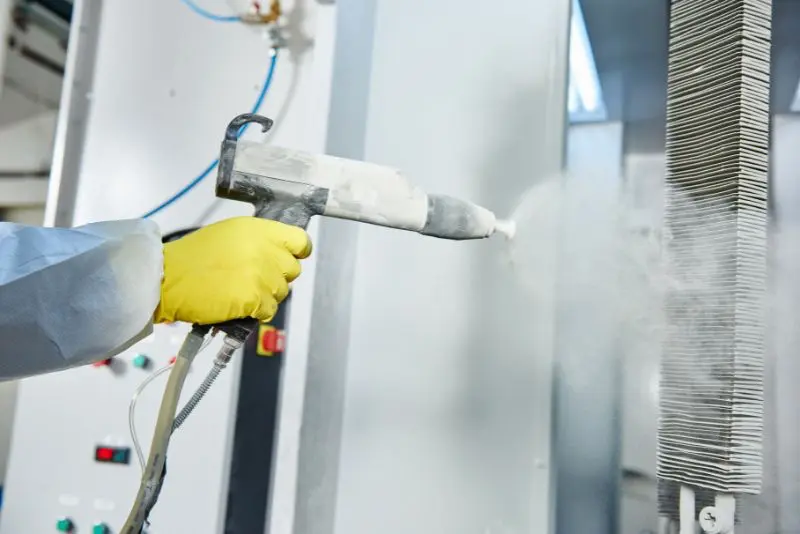
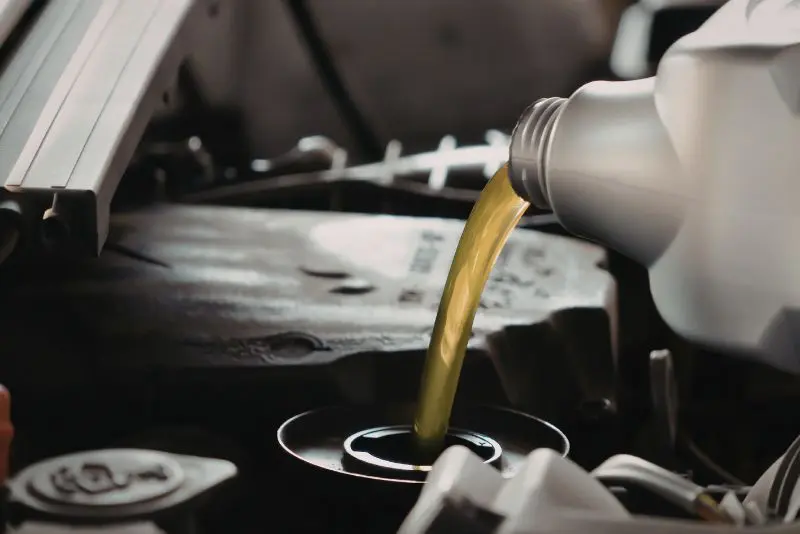
It is used in meat, coffee, and processed food formulations at trace concentrations. Cosmetic and personal care formulators incorporate it as an antioxidant stabilizer to extend the shelf life of lipid-containing products. This includes applications such as creams and balms. In catalyst chemistry, it functions as a sulfur-donor precursor for generating metal sulfide catalysts used in hydroprocessing and organic synthesis.
Pharmaceutical manufacturers also evaluate it as an intermediate or stabilizing additive in select formulation development programs. Dibenzyl disulfide is supplied as a white to off-white crystalline solid or powder. Standard commercial grades include food-grade material meeting FEMA specifications and technical-grade product for industrial and catalyst applications. Packaging is typically available in kilogram quantities.
This allows for laboratory and pilot use, scaling to bulk drum supply for industrial procurement. The material is handled according to strict safety protocols to ensure stability and purity during transport.
Other Names (Synonyms)
dibenzyl disulphide|Di(phenylmethyl) disulfide|Bis(phenylmethyl) disulfide|Benzyl disulfide|Benzyl bisulfide|alpha-(Benzyldithio)toluene|1,4-Diphenyl-2,3-dithiobutane|1,4-Diphenyl-2,3-dithiabutane
Key Technical Features
- High Purity Grade standard
- Consistent Batch Quality
- Full Regulatory & REACH Support
- Global Logistics Network enabled