













Iodopropynyl butylcarbamate

CAS Number
55406-53-6
EC Number
259-627-5
Chemical Formula
C8H12INO2
Molecular Weight
281.09 g/mol
Abbreviation
IPBC

Description

Iodopropynyl butylcarbamate (CAS 55406-53-6), commonly known as IPBC or iodocarb, is a broad-spectrum fungicide and bactericide used as a preservative across industrial and personal care formulations. It delivers effective protection against mold, mildew, and wood-rotting fungi at low use concentrations, making it a practical active ingredient for formulators managing microbial spoilage.

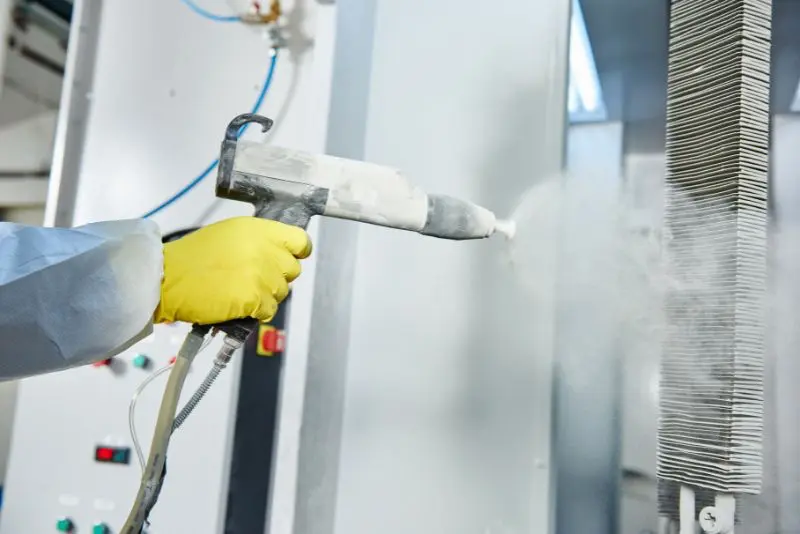
In architectural and industrial coatings, IPBC prevents fungal degradation of paint films, particularly in exterior wood coatings and emulsion paints where mildew resistance is a key performance requirement. Wet-state and dry-film preservation of adhesives, sealants, and construction materials such as caulks and jointing compounds represents another significant use case for this chemical.

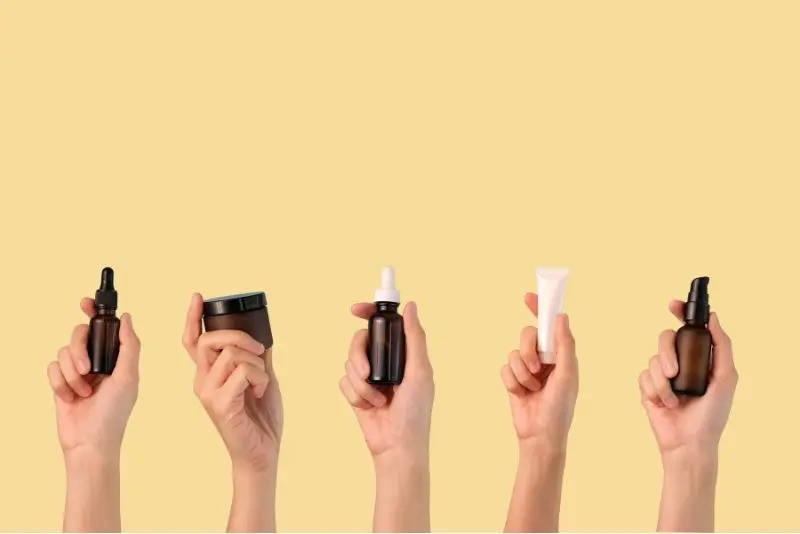
Textile and leather processors incorporate it into treatment baths to protect finished goods from fungal attack during storage and transit. In personal care products, it is used as a preservative booster. IPBC is supplied as a white to off-white crystalline powder and in liquid concentrate form, often pre-dissolved in glycol carriers for easier incorporation into various manufacturing processes.

Standard technical grades are available at 98%+ purity, with cosmetic-grade material meeting relevant regulatory specifications for personal care use. Packaging ranges from small drums to bulk quantities.

Other Names (Synonyms)

iodocarb|butyl-3-iodo-2-propynylcarbamate|3-iodoprop-2-ynyl butylcarbamate|3-iodo-2-propyn-1-yl N-butylcarbamate|IPBC|3-iodo-2-propynyl butylcarbamate|Woodlife|Troysan KK-108A

Key Technical Features

  • High Purity Grade standard
  • Consistent Batch Quality
  • Full Regulatory & REACH Support
  • Global Logistics Network enabled

Contact us for supply of Iodopropynyl butylcarbamate

Request Quote

Physical Properties

Melting Point 64-68 °C(lit.)
Boiling Point 321.8±25.0 °C(Predicted)
Density 1.606±0.06 g/cm3(Predicted)
Appearance Liquid
Color White to Almost white
Form neat
Water Solubility 168mg/L at 20℃
Vapor Pressure 0.005Pa at 25℃
Log P 2.81 at 25℃

Safety & Handling (Learn More)

Danger
GHS05· Corrosive GHS06· Toxic GHS08· Health Hazard GHS09· Environmental Hazard GHS07· Irritant

Hazard Statements

H302 Harmful if swallowed
H315 Causes skin irritation
H317 May cause an allergic skin reaction
H318 Causes serious eye damage
H331 Toxic if inhaled
H332 Harmful if inhaled
H335 May cause respiratory irritation
H372 Causes damage to organs through prolonged or repeated exposure
H373 May causes damage to organs through prolonged or repeated exposure
H400 Very toxic to aquatic life
H410 Very toxic to aquatic life with long lasting effects
H302+H332 Harmful if swallowed or if inhaled

Precautionary Statements

P260 Do not breathe dust/fume/gas/mist/vapours/spray.
P261 Avoid breathing dust/fume/gas/mist/vapours/spray.
P264 Wash … thoroughly after handling.
P270 Do not eat, drink or smoke when using this product.
P271 Use only outdoors or in a well-ventilated area.
P272 Contaminated work clothing should not be allowed out of the workplace.
P273 Avoid release to the environment.
P280 Wear protective gloves/protective clothing/eye protection/face protection.
P316 Get emergency medical help immediately.
P317 Get emergency medical help.
P319 Get medical advice/attention if you feel unwell.
P321 Specific treatment (see … on this label).
P330 Rinse mouth.
P391 Collect spillage.
P405 Store locked up.
P501 Dispose of contents/container in accordance with local regulations.
P264+P265 Wash … thoroughly after handling.
P301+P317 Get emergency medical help.
P302+P352 IF ON SKIN: Wash with plenty of water.
P304+P340 IF INHALED: Remove person to fresh air and keep comfortable for breathing.
P332+P317 Get emergency medical help.
P333+P317 Get emergency medical help.
P362+P364 Take off contaminated clothing and wash it before reuse.
P403+P233 Store in a well-ventilated place. Keep container tightly closed.
P305+P354+P338 IF IN EYES: Rinse cautiously with water for several minutes. Remove contact lenses, if present and easy to do. Continue rinsing.

Trade & Regulatory

HS Code 29241990
Storage Class 6.1C - Combustible acute toxic Cat.3 toxic compounds or compounds which causing chronic effects
WGK (Germany) 3

Documentation

Call Request Quote