










Shellac
Description
Shellac (CAS 9000-59-3), also known as lac resin and designated E904, is a natural resinous secretion refined for use as a film-forming and surface-finishing agent across food, coating, and industrial applications. Sourced primarily from the lac insect, it is processed into flake, wax-free, and bleached forms to meet the demands of diverse manufacturing sectors. In food production, E904 is applied as a glazing agent on confectionery and fresh produce.
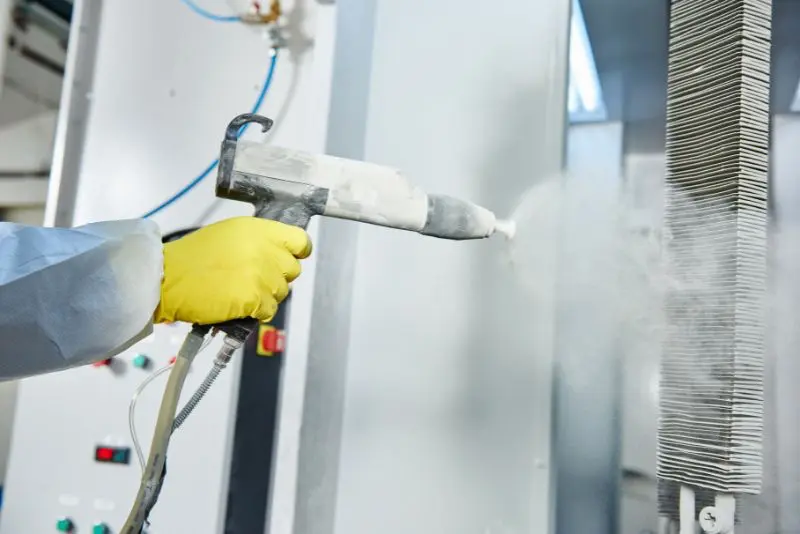
It is also used on pharmaceutical tablets to deliver a protective, high-gloss finish that extends shelf life. The coatings and printing industries rely on shellac-based formulations for wood lacquers, ink binders, and overprint varnishes. These applications are ideal where fast drying and adhesion to multiple substrates are required. Leather finishing operations use it to build durable, flexible surface films that resist scuffing and retain appearance through processing.
In paper and packaging, shellac functions as a moisture-barrier coating and adhesive component for labels, seals, and specialty paper treatments. Shellac is supplied as dry flakes, the most common commercial form. It is available in wax-containing and dewaxed variants. Bleached and orange grades are standard market offerings, with dewaxed bleached shellac preferred for food and pharmaceutical use.
Food-grade material conforming to E904 specifications and pharmaceutical-grade material meeting USP or BP standards are both commercially available for global distribution.
Other Names (Synonyms)
Lacs|Lac resin|Resins, lac or shellac|Drack BS 30|E904
Key Technical Features
- High Purity Grade standard
- Consistent Batch Quality
- Full Regulatory & REACH Support
- Global Logistics Network enabled