














Polymethyl methacrylate
Description
Polymethyl methacrylate (CAS 9011-14-7), commonly known as PMMA, is a synthetic thermoplastic polymer used across plastics fabrication, coatings, and structural applications. It delivers exceptional optical clarity and surface hardness. This material offers superior weatherability, making it a preferred alternative to glass and polycarbonate in demanding environments. In construction and automotive glazing, PMMA sheet and rod stock are fabricated into transparent panels.
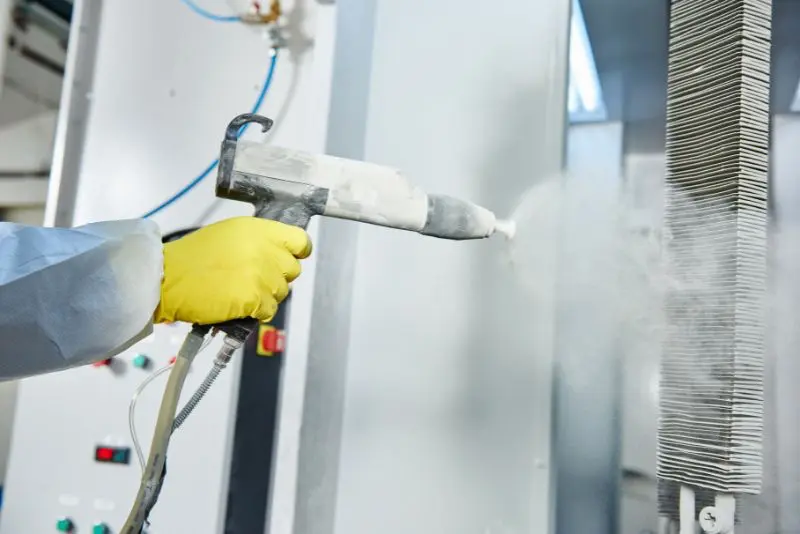
These components are used for skylights and vehicle light housings where impact resistance and UV stability are critical. Coatings and adhesive formulators use PMMA resins as film-forming binders that improve scratch resistance. These resins also enhance gloss retention in architectural and industrial finishes. In aerospace and defense, machined PMMA components serve in canopies, instrument covers, and display panels where optical precision is required.
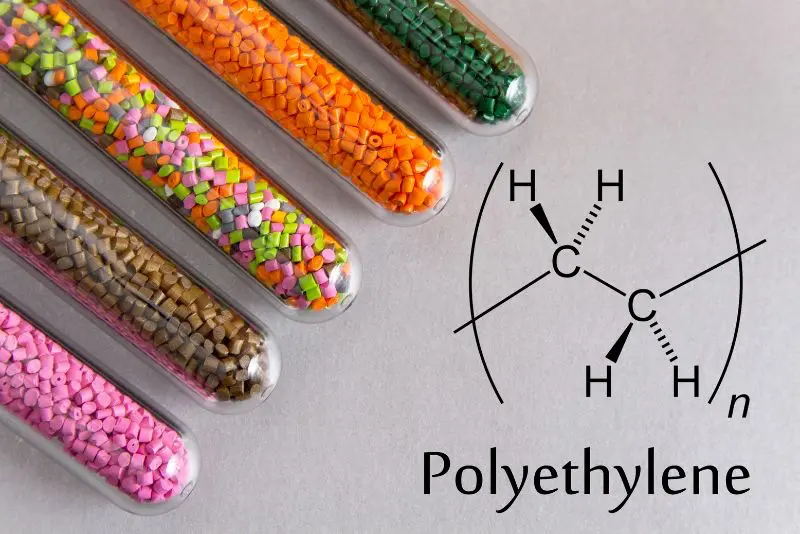
Dimensional stability is a key feature for these high-performance applications. As a rheology modifier, PMMA microspheres and powders are incorporated into coatings and sealants to control flow behavior and application consistency. PMMA is supplied as pellets, powder, sheet, rod, and liquid dispersion depending on the processing route. Standard grades include general-purpose, impact-modified, and optical-quality variants for diverse industrial needs.
Some powder forms are available to USP specification for pharmaceutical and medical device applications. Molecular weight and MFI ratings vary across grades to suit extrusion, injection molding, or solution-based processing.
Other Names (Synonyms)
Poly(methyl methacrylate)|PMMA
Key Technical Features
- High Purity Grade standard
- Consistent Batch Quality
- Full Regulatory & REACH Support
- Global Logistics Network enabled