















SoleChem

Methylhydroquinone

Pharmaceutical Intermediates Food & Nutrition
CAS
95-71-6
EC
202-443-7
Mol. Weight
124.14 g/mol

Description

Methylhydroquinone (CAS 95-71-6), also known as 2,5-Dihydroxytoluene, is a substituted hydroquinone derivative used across polymer, cosmetic, and flavor industries as an antioxidant and UV stabilizer.

Its ability to scavenge free radicals makes it a functional additive in systems where oxidative degradation or premature cure must be controlled during the manufacturing process.

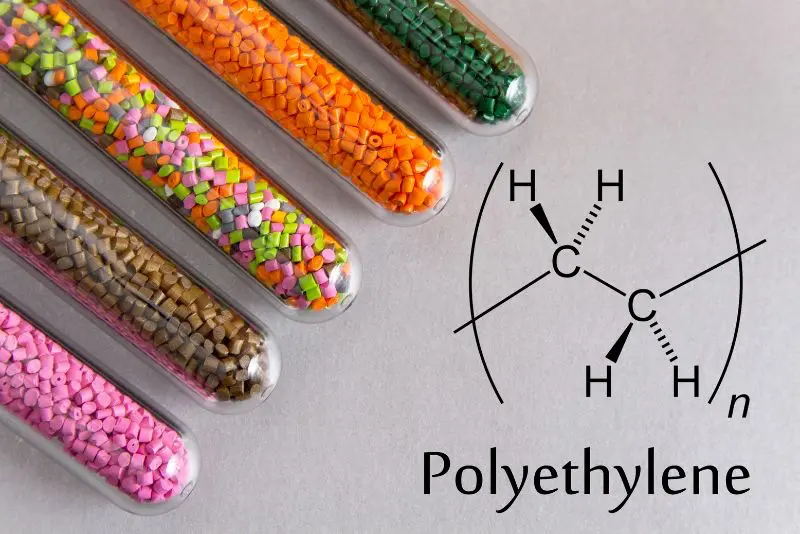
In plastics and polymer manufacturing, it acts as a polymerization inhibitor, preventing premature crosslinking during storage and processing of reactive monomers and resins.

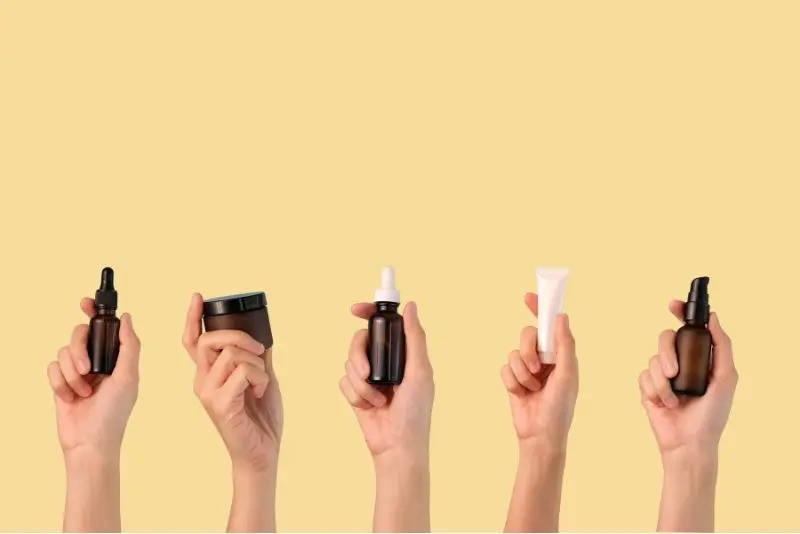
Cosmetic formulators incorporate it into topical preparations where antioxidant stabilization of the formulation matrix is required to maintain product integrity and shelf life.

In flavor and fragrance applications, it contributes to aroma profiles and functions as a preservative component in finished flavor systems for various consumer goods.

Pharmaceutical manufacturers also use it as a synthetic intermediate in the production of active ingredients and specialty fine chemicals for the global healthcare market.

The product is supplied as a white to off-white crystalline powder and is available in technical and pharmaceutical-intermediate grades with purity levels typically at 98% or higher.

Packaging options range from kilogram-scale bags to bulk drum quantities to suit both R&D and commercial production requirements for industrial and laboratory applications.

Contact us for supply of Methylhydroquinone

Request Quote

Physical Properties

Melting Point 128 °C
Boiling Point 283.00 °C @ Press: Atm pressure
Density 2.35 g/cm³
Flash Point 172 °C
Appearance white solid
Color Grayish-white to light beige
Form Crystalline Powder
Water Solubility 77 g/L (25 ºC)
Vapor Pressure 0.004Pa at 25℃
Refractive Index 1.4922 (estimate)
Log P 0.9 at 27℃

Safety & Handling (Learn More)

Danger GHS05 GHS07 GHS08 GHS09
Hazard Statements
H302 Harmful if swallowed
H315 Causes skin irritation
H317 May cause an allergic skin reaction
H318 Causes serious eye damage
H319 Causes serious eye irritation
H335 May cause respiratory irritation
H341 Suspected of causing genetic defects
H351 Suspected of causing cancer
H400 Very toxic to aquatic life
H410 Very toxic to aquatic life with long lasting effects
Precautionary Statements
P203 Obtain, consult and follow expert instructions for use.
P261 Avoid breathing dust/fume/gas/mist/vapours/spray.
P264 Wash … thoroughly after handling.
P270 Do not eat, drink or smoke when using this product.
P271 Use only outdoors or in a well-ventilated area.
P272 Contaminated work clothing should not be allowed out of the workplace.
P273 Avoid release to the environment.
P280 Wear protective gloves/protective clothing/eye protection/face protection.
P317 Get emergency medical help.
P318 IF exposed or concerned, get medical advice.
P319 Get medical advice/attention if you feel unwell.
P321 Specific treatment (see … on this label).
P330 Rinse mouth.
P391 Collect spillage.
P405 Store locked up.
P501 Dispose of contents/container in accordance with local regulations.
P264+P265 Wash … thoroughly after handling.
P301+P317 Get emergency medical help.
P302+P352 IF ON SKIN: Wash with plenty of water.
P304+P340 IF INHALED: Remove person to fresh air and keep comfortable for breathing.
P332+P317 Get emergency medical help.
P333+P317 Get emergency medical help.
P337+P317 If eye irritation persists: Get medical advice/attention. Get emergency medical help.
P362+P364 Take off contaminated clothing and wash it before reuse.
P403+P233 Store in a well-ventilated place. Keep container tightly closed.
P305+P351+P338 IF IN EYES: Rinse cautiously with water for several minutes. Remove contact lenses, if present and easy to do. Continue rinsing.
P305+P354+P338 IF IN EYES: Rinse cautiously with water for several minutes. Remove contact lenses, if present and easy to do. Continue rinsing.

Trade & Regulatory

HS Code 29072900
Storage Class 8A - Combustible corrosive hazardous materials
WGK (Germany) 2

Documentation

Other Names

2-Methylhydroquinone|2-methylbenzene-1,4-diol|2,5-Dihydroxytoluene|p-Toluhydroquinone|p-Toluquinol|p-Toluhydroquinol|1,4-Benzenediol, 2-methyl-|Hydroquinone, methyl-

Related Products

Need a chemical? Get a quote within 24 hours.

Call Request Quote