















Ethylenediamine
Description
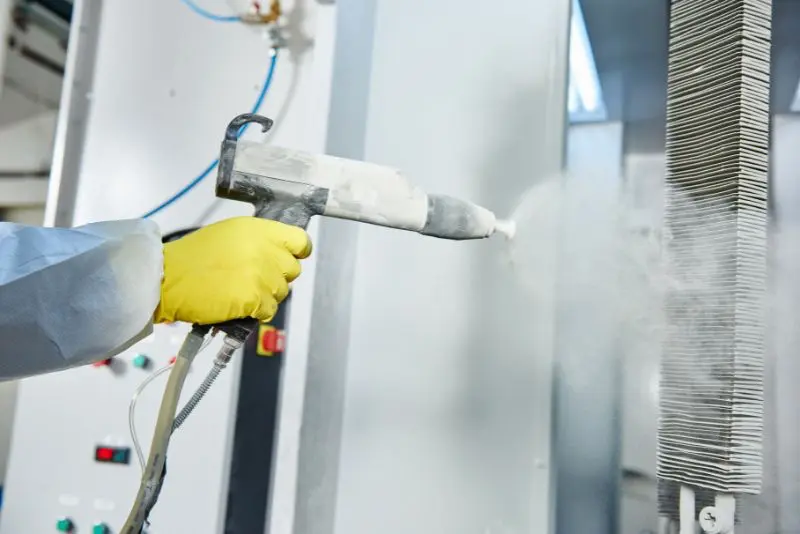
Ethylenediamine (CAS 107-15-3), also known as EDA, is a primary diamine used as a reactive building block and chelating agent across chemical manufacturing. It functions as a curing agent and complexing ligand. It is a vital intermediate in the synthesis of agrochemicals, pharmaceuticals, and specialty polymers. In agriculture, EDA is a key intermediate in the production of herbicides, fungicides, and chelated micronutrient fertilizers.
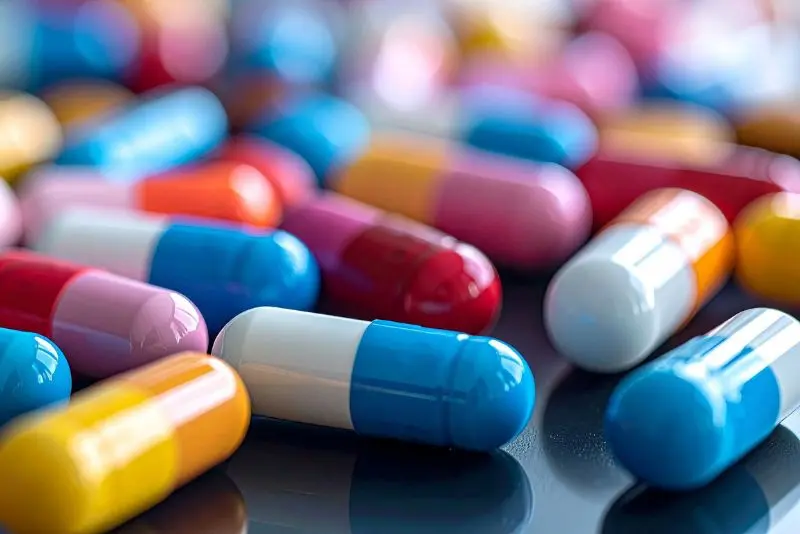
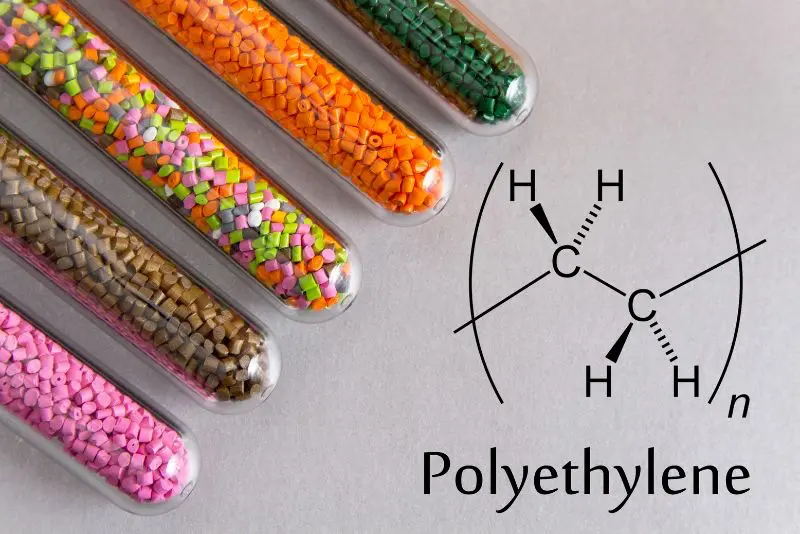
It binds metal ions to improve plant-available nutrient delivery. Pharmaceutical manufacturers use it to synthesize active ingredients including antihistamines and bronchodilators, as well as to form stable drug salts. These salts improve solubility for various medical applications. Epoxy resin formulators apply EDA as a curing and cross-linking agent, controlling hardness and chemical resistance in coatings and adhesives.
It is also used in composite materials and water treatment operations to produce chelating agents such as EDTA. These sequester hardness ions and prevent scale formation in industrial systems. The product is supplied as a clear, low-viscosity liquid, typically in concentrations of 99% and above. It is available in drum, IBC, and bulk tanker quantities to support large-volume manufacturing.
Technical and synthesis grades are the most common commercial specifications. Purity documentation is available to meet pharmaceutical intermediate requirements and various industrial quality standards.
Other Names (Synonyms)
1,2-ethanediamine|1,2-diaminoethane|Ethane-1,2-diamine|edamine|1,2-Ethylenediamine|Ethylenediamine – EDA|EDA
Key Technical Features
- High Purity Grade standard
- Consistent Batch Quality
- Full Regulatory & REACH Support
- Global Logistics Network enabled