












Ethylenediaminetetraacetic acid
Description
Ethylenediaminetetraacetic acid (CAS 60-00-4), commercially known as EDTA or Versene Acid, is a synthetic aminopolycarboxylic acid used across industrial and consumer markets as a chelating and sequestering agent. By binding free metal ions in solution, it prevents unwanted oxidation, discoloration, and mineral interference in formulations and process streams. In food manufacturing, EDTA is used as a preservative and stabilizer.
It is approved in products such as canned legumes, mayonnaise, and soft drinks to inhibit metal-catalyzed rancidity and color degradation. Pharmaceutical formulators incorporate it to stabilize active ingredients against trace metal contamination. It is also used to enhance preservative efficacy in ophthalmic and injectable preparations. Personal care manufacturers rely on EDTA to sequester calcium and magnesium ions in hard water, improving surfactant performance.
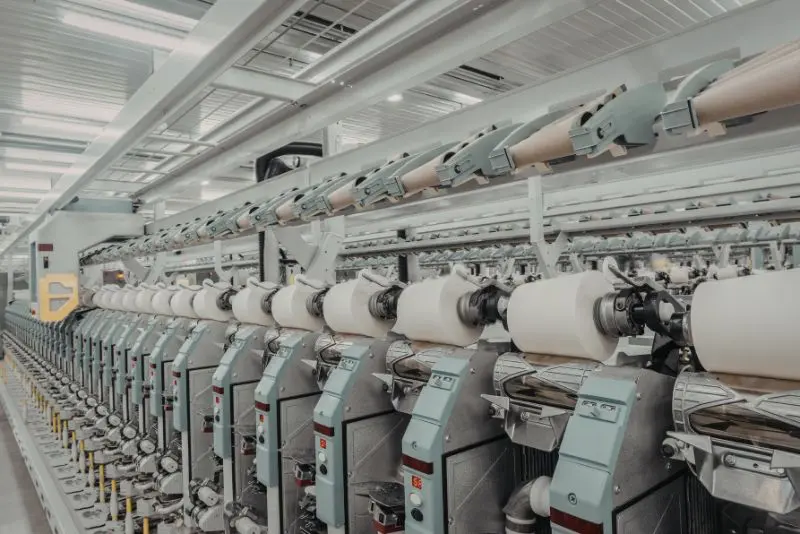
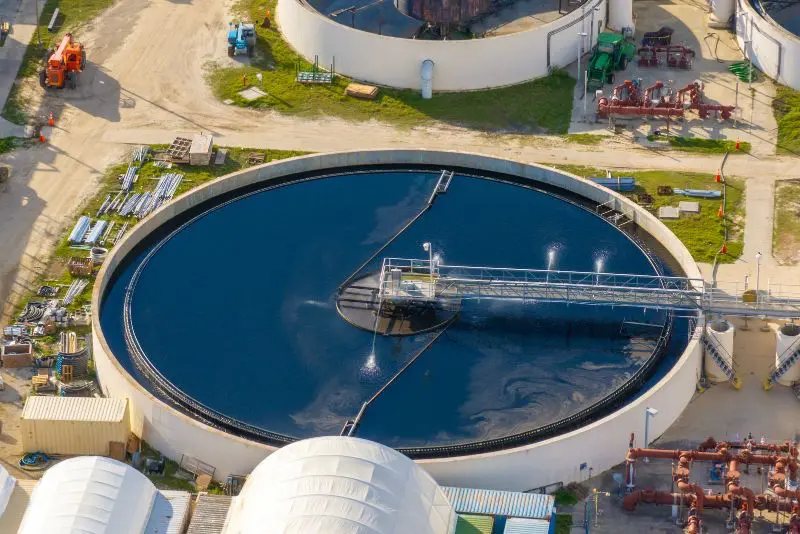
This improves the quality of shampoos, creams, and liquid soaps. In water treatment and industrial cleaning, it removes scale-forming metal deposits from boilers, heat exchangers, and textile processing equipment. EDTA is supplied as a white crystalline powder in both free acid and salt forms, with the disodium and tetrasodium salts being the most commercially traded variants. Recognized grades include food-grade (FCC).
Other available quality standards include USP, BP, and Ph. Eur. specifications for regulated applications. Technical grade options are also available for various industrial use cases.
Other Names (Synonyms)
EDTA|versene Acid|N,N'-1,2-ethane diylbis-(N-(carboxymethyl)glycine)|H4Edta|{[-(bis-carboxymethyl-amino)-ethyl]-carboxymethyl-amino}-acetic acid|Edetic acid|Edathamil|Havidote
Key Technical Features
- High Purity Grade standard
- Consistent Batch Quality
- Full Regulatory & REACH Support
- Global Logistics Network enabled