

















Tetrachlorophthalic anhydride
Description
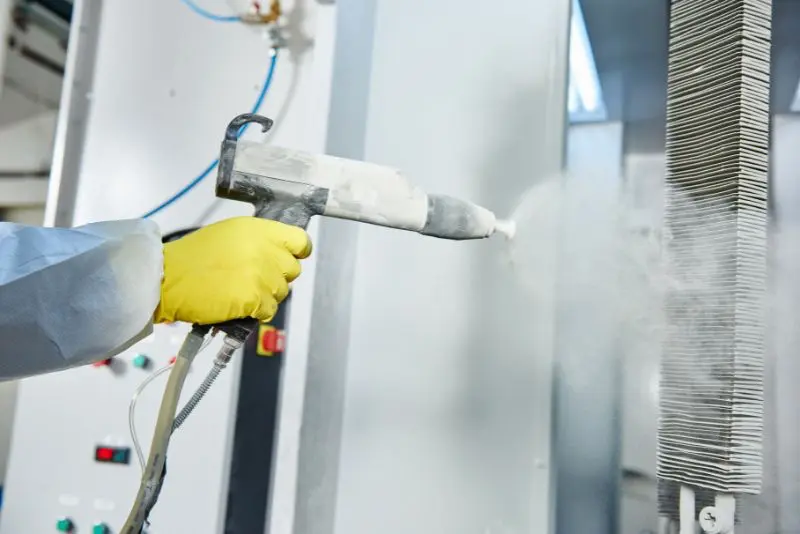
Tetrachlorophthalic anhydride (CAS 117-08-8), commonly abbreviated as TCPA, is a chlorinated cyclic anhydride used as a reactive flame retardant and chemical intermediate across polymer and coating systems. Unlike additive flame retardants, it bonds directly into polymer backbones, delivering durable fire resistance without migration losses. In epoxy resin formulations for printed circuit boards, TCPA acts as a curing agent.
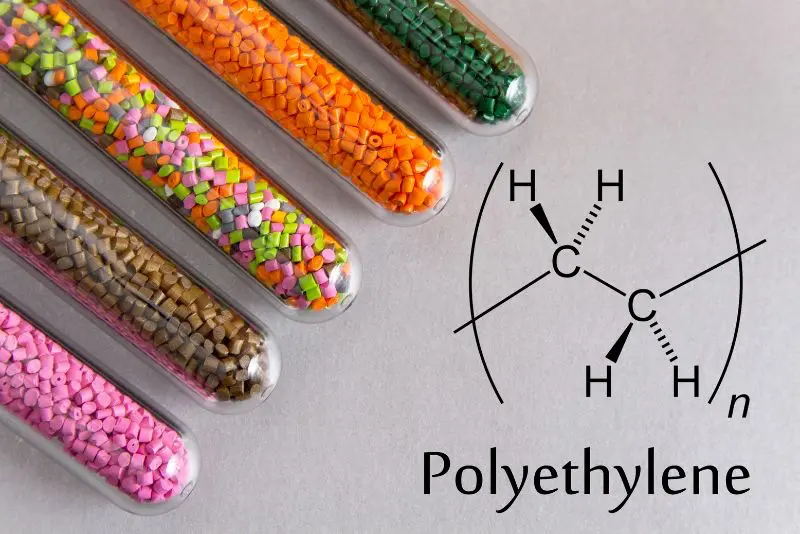
It simultaneously imparts halogenated flame retardancy to the cured matrix. Polyester and alkyd resin producers incorporate it as a monomer to build fire-retardant properties into coatings used in construction panels. Industrial textiles and paper treatment processes use TCPA-derived intermediates to meet flame resistance standards required in packaging and protective fabrics. It also functions as a plasticizer precursor in PVC compounding.
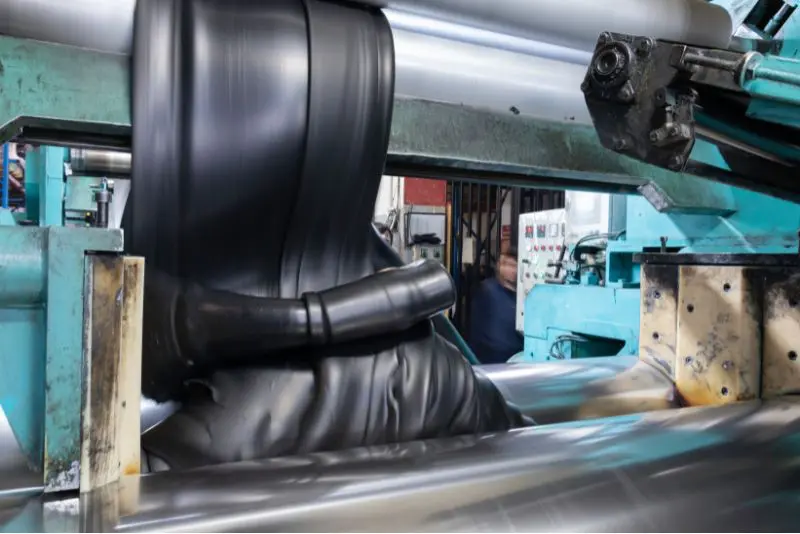
Its chlorine content contributes to both flexibility and reduced flammability in finished profiles and films. Tetrachlorophthalic anhydride is supplied as an off-white to pale yellow crystalline powder for industrial use. Technical grade is the standard commercial specification, with purity levels typically at 98% or higher. Bulk quantities are available in fiber drums or multi-wall bags suited for industrial procurement volumes.
Other Names (Synonyms)
Tetrathal|etrachlorophthalic acid anhydride|4,5,6,7-Tetrachloro-1,3-isobenzofurandione|1,3-Dioxy-4,5,6,7-tetrachloroisobenzofuran|Niagathal|1,3-Isobenzofurandione, 4,5,6,7-tetrachloro-|4,5,6,7-Tetrachloro-2-benzofuran-1,3-dione|Phthalic anhydride, tetrachloro-|TCPA
Key Technical Features
- High Purity Grade standard
- Consistent Batch Quality
- Full Regulatory & REACH Support
- Global Logistics Network enabled