
















SoleChem

Phosphorus pentasulfide

CAS
1314-80-3
EC
215-242-4
Mol. Weight
444.6 g/mol

Description

Phosphorus pentasulfide (CAS 1314-80-3), also known as P4S10 and phosphorus persulfide, is a reactive inorganic compound used primarily as a chemical intermediate in the synthesis of organosulfur compounds.

Its core industrial value lies in its ability to introduce both phosphorus and sulfur into organic molecules, making it a critical building block across agrochemical, lubricant additive, and mineral processing chemistries.

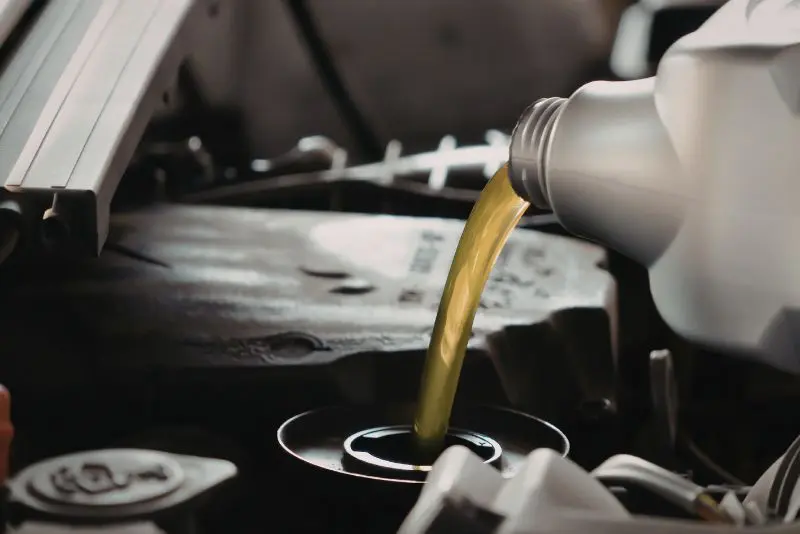
In lubricant and metalworking fluid formulations, it serves as a precursor to zinc dialkyldithiophosphate (ZDDP) and related antiwear and extreme-pressure additives for high-performance applications.

Agrochemical producers use it to manufacture dithiophosphate-based pesticides and insecticides, where controlled reactivity with alcohols and amines drives active ingredient synthesis for crop protection.

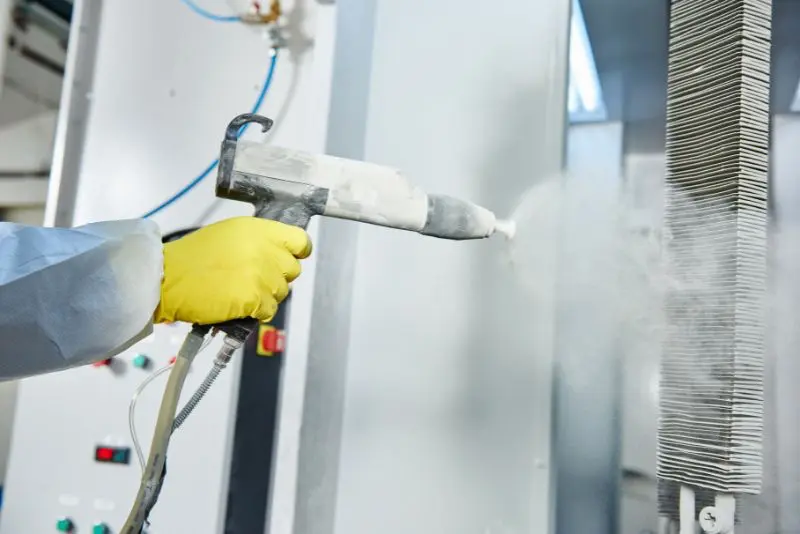
In mining and flotation chemistry, dithiophosphate collectors derived from P4S10 improve selective mineral separation in sulfide ore processing, enhancing the efficiency of metal extraction operations.

It also functions as a catalyst or reagent in specialty organic synthesis, including the production of pharmaceuticals and flame retardants, providing versatile chemical pathways for manufacturers.

Phosphorus pentasulfide is supplied as a yellow-green powder or fused lump form, typically packaged under inert atmosphere due to its high moisture sensitivity and reactive nature.

Technical and industrial grades are the standard commercial offering, with purity specifications commonly ranging from 98% to 100% P4S10 content. Bulk supply in drums or IBCs is standard for industrial buyers.

Contact us for supply of Phosphorus pentasulfide

Request Quote

Physical Properties

Melting Point 286-290 °C
Boiling Point 513-515 °C
Density 2.062 g/cm³
Appearance Phosphorus pentasulfide is a greenish-gray to yellow, crystalline solid with an odor of rotten eggs. The Odor Threshold is 0.005 ppm
Color Yellow to green
Odor rotten egg odor
Form Powder
Water Solubility reacts
pH 1 (10g/l, H2O, 20℃)

Safety & Handling (Learn More)

Danger GHS02 GHS07 GHS09 GHS05 GHS06 GHS08
Hazard Statements
H228 Flammable solid
H260 In contact with water releases flammable gases which may ignite spontaneously
H261 In contact with water releases flammable gas
H301 Toxic if swallowed
H302 Harmful if swallowed
H311 Toxic in contact with skin
H313 May be harmful in contact with skin
H314 Causes severe skin burns and eye damage
H315 Causes skin irritation
H318 Causes serious eye damage
H319 Causes serious eye irritation
H332 Harmful if inhaled
H335 May cause respiratory irritation
H371 May cause damage to organs
H400 Very toxic to aquatic life
H301+H331 Toxic if swallowed or if inhaled
H302+H332 Harmful if swallowed or if inhaled
Precautionary Statements
P210 Keep away from heat, hot surfaces, sparks, open flames and other ignition sources. No smoking.
P223 Do not allow contact with water.
P240 Ground and bond container and receiving equipment.
P241 Use explosion-proof [electrical/ventilating/lighting/…] equipment.
P260 Do not breathe dust/fume/gas/mist/vapours/spray.
P261 Avoid breathing dust/fume/gas/mist/vapours/spray.
P262 Do not get in eyes, on skin, or on clothing.
P264 Wash … thoroughly after handling.
P270 Do not eat, drink or smoke when using this product.
P271 Use only outdoors or in a well-ventilated area.
P273 Avoid release to the environment.
P280 Wear protective gloves/protective clothing/eye protection/face protection.
P316 Get emergency medical help immediately.
P317 Get emergency medical help.
P319 Get medical advice/attention if you feel unwell.
P321 Specific treatment (see … on this label).
P330 Rinse mouth.
P363 Wash contaminated clothing before reuse.
P391 Collect spillage.
P405 Store locked up.
P501 Dispose of contents/container in accordance with local regulations.
P231+P232 Handle and store contents under inert gas/… .
P264+P265 Wash … thoroughly after handling.
P301+P316 Get emergency medical help immediately.
P301+P317 Get emergency medical help.
P302+P317 Get emergency medical help.
P302+P352 IF ON SKIN: Wash with plenty of water.
P304+P340 IF INHALED: Remove person to fresh air and keep comfortable for breathing.
P308+P316 Get emergency medical help immediately.
P332+P317 Get emergency medical help.
P337+P317 If eye irritation persists: Get medical advice/attention. Get emergency medical help.
P361+P364 Take off immediately all contaminated clothing and wash it before reuse.
P362+P364 Take off contaminated clothing and wash it before reuse.
P370+P378 Use … for extinction.
P402+P404 Store in a dry place. Store in a closed container.
P403+P233 Store in a well-ventilated place. Keep container tightly closed.
P301+P330+P331 Rinse mouth. Do NOT induce vomiting.
P302+P335+P334 IF ON SKIN: Brush off loose particles from skin. Immerse in cool water/wrap in wet bandages.
P302+P361+P354 IF ON SKIN: Take off immediately all contaminated clothing. Rinse skin with water/shower.
P305+P351+P338 IF IN EYES: Rinse cautiously with water for several minutes. Remove contact lenses, if present and easy to do. Continue rinsing.
P305+P354+P338 IF IN EYES: Rinse cautiously with water for several minutes. Remove contact lenses, if present and easy to do. Continue rinsing.

Trade & Regulatory

HS Code 28139000
UN Number 1340
ADR Class 4.3
Packing Group II
Storage Class 4.3 - Hazardous materials, which set free flammable gases upon contact with water
WGK (Germany) 3

Documentation

Other Names

sulfur phosphide|phosphorus persulfide|P4S10|phosphorus sulfide|Tetraphosphorus decasulfide|Phosphoric sulfide|Diphosphorus pentasulfide|Thiophosphoric anhydride

Related Products

Need a chemical? Get a quote within 24 hours.

Call Request Quote