













Polytetrahydrofuran
Description
Polytetrahydrofuran (CAS 25190-06-1), commercially known as PTMEG or Polytetramethylene Ether Glycol, is a difunctional polyether diol used as a building block in high-performance polymer synthesis. It provides the soft-segment component in polyurethane and elastomer systems, directly influencing flexibility, elongation, and low-temperature performance in finished materials.
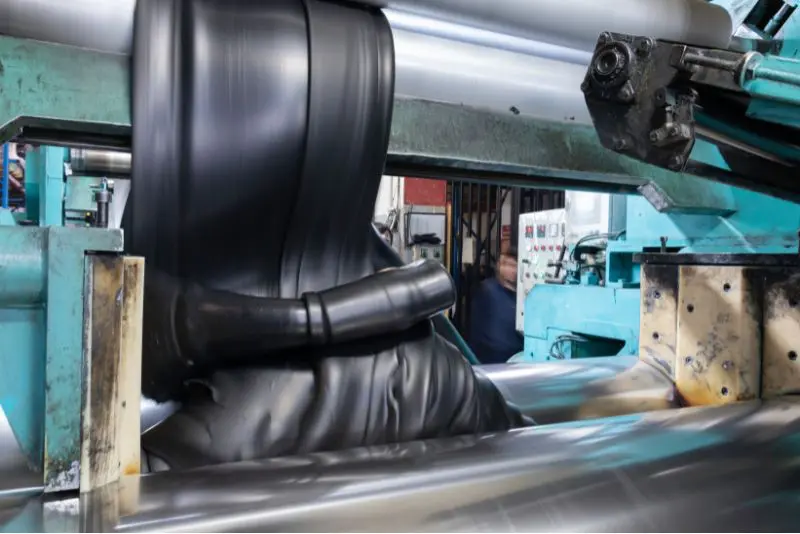
In polyurethane manufacturing, PTMEG reacts with diisocyanates to produce elastic fibers such as spandex and Lycra, where its molecular weight grade determines the stretch-recovery characteristics. Thermoplastic polyurethane (TPU) producers use it to engineer elastomers for automotive seals, hoses, and flexible tubing that must retain performance across a wide temperature range.
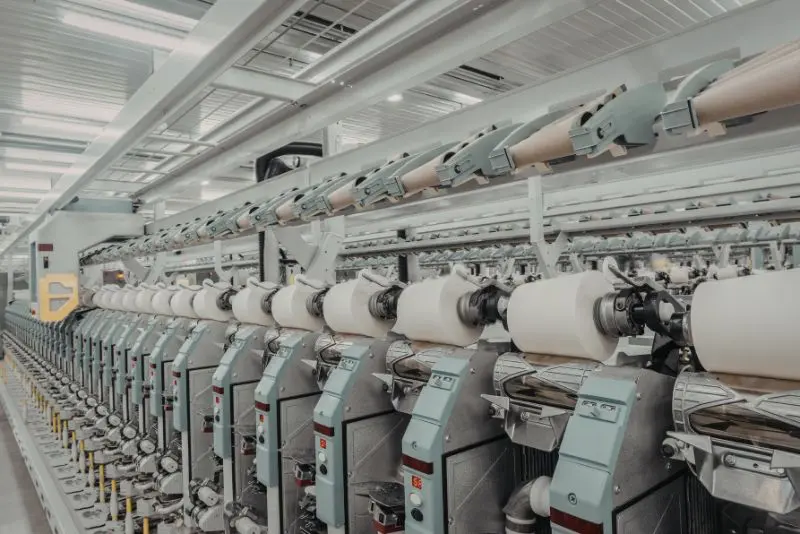
In the textile and apparel sector, PTMEG-based polyurethane urea is the standard intermediate for high-elasticity fabrics used in activewear and hosiery applications worldwide. Lubricant formulators incorporate it as a plasticizing and carrier component in specialty greases and metalworking fluids where controlled viscosity and compatibility are required.
PTMEG is supplied as a waxy solid or viscous liquid depending on molecular weight, with common commercial grades at 650, 1000, 1800, and 2000 g/mol for industrial use. Technical and industrial grades are standard; higher-purity grades are available for fiber and medical-grade polyurethane applications. Bulk supply is typically offered in heated drums.
Other Names (Synonyms)
(2S)-2-butoxybutan-1-ol|Polytetramethylene ether glycol (ptmeg)|Polytetramethylene glycol|PTMEG
Key Technical Features
- High Purity Grade standard
- Consistent Batch Quality
- Full Regulatory & REACH Support
- Global Logistics Network enabled