

















Nonylphenyl phosphite
Description
Nonylphenyl phosphite (CAS 26523-78-4), commercially known as TNPP, is a phosphite ester antioxidant and stabilizer used across polymer processing, rubber manufacturing, and lubricant formulation. It functions primarily as a secondary antioxidant, decomposing hydroperoxides formed during thermal processing to prevent degradation of the base material during high-temperature manufacturing cycles.
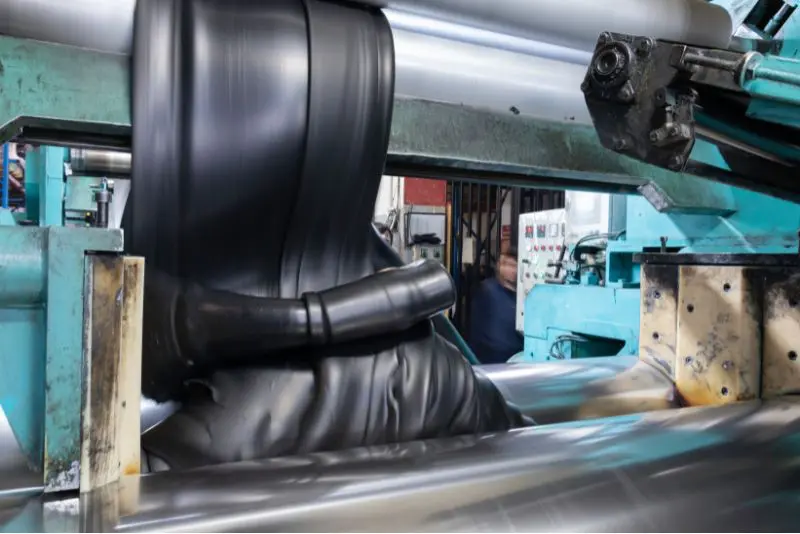
In plastics processing, TNPP is incorporated into polyolefins, PVC, and styrenic polymers to protect against color development and molecular weight loss during high-temperature extrusion or molding processes. Rubber compounders use it in tire and industrial rubber goods to extend service life by inhibiting oxidative breakdown during both the initial processing stages and the final end-use applications.
In lubricant and metalworking fluid formulations, it acts as an antioxidant and mild extreme-pressure additive, helping maintain fluid stability under significant thermal stress and mechanical pressure. It also functions as a plasticizer in certain flexible PVC applications, contributing to processing efficiency alongside its stabilizing role to ensure the longevity and durability of the finished product.
Nonylphenyl phosphite is supplied as a liquid at ambient temperature, facilitating direct metering into continuous mixing or compounding lines for efficient industrial scale production and handling. Standard commercial grades are available for industrial and technical applications. Buyers should confirm phosphorus content, acid value, and color specifications when evaluating lots for sensitive polymer uses.
Other Names (Synonyms)
Tris(4-nonylphenyl) phosphite|Tris(nonylphenyl)phosphite|Tris(nonylphenyl) phosphite|TNPP
Key Technical Features
- High Purity Grade standard
- Consistent Batch Quality
- Full Regulatory & REACH Support
- Global Logistics Network enabled