

















Paraformaldehyde
Description
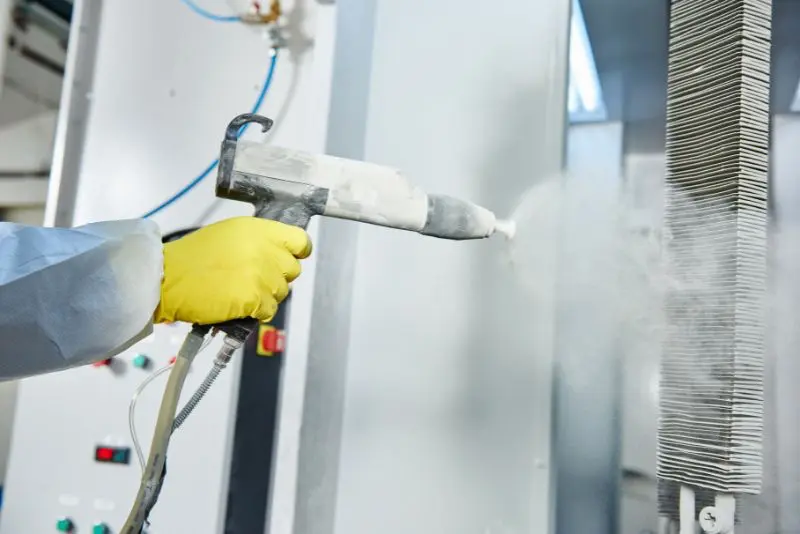
Paraformaldehyde (CAS 30525-89-4), also known commercially as Paraform, PFA, and Aldacide, is the solid polymerized form of formaldehyde used as a controlled-release formaldehyde source in industrial synthesis and preservation. It functions as a cross-linking agent, curing component, and biocide across a broad range of manufacturing processes. In plastics and resins manufacturing, PFA is a key raw material for producing phenol-formaldehyde resins.
These are used in urea-formaldehyde and melamine-formaldehyde resins for adhesives, laminates, and molding compounds. Agricultural formulators use it as a soil and seed disinfectant for effective antimicrobial action. Its slow formaldehyde release provides protection without rapid volatilization. In textile and leather processing, it cross-links fibers and tanning agents to improve dimensional stability and durability of finished goods.
Pharmaceutical manufacturers rely on PFA as a synthesis intermediate and laboratory fixative. Precise formaldehyde delivery is critical to process consistency and meeting high-quality USP or Ph.Eur. standards. Paraformaldehyde is supplied as a white powder or granules, with granular forms preferred for handling and dust reduction. Standard commercial grades include 91–93% and 95–96% purity levels for various uses.
Technical and pharmaceutical-grade specifications are available to meet different regulatory requirements. Packaging typically ranges from 25 kg bags to bulk quantities for high-volume industrial procurement needs.
Other Names (Synonyms)
Flo-Mor|Paraform|Aldacide|TransFix|PFA
Key Technical Features
- High Purity Grade standard
- Consistent Batch Quality
- Full Regulatory & REACH Support
- Global Logistics Network enabled