















Phenol formaldehyde resin
Description
Phenol formaldehyde resin (CAS 9003-35-4), commonly known as phenolic resin or PF resin, is a synthetic thermosetting polymer produced by reacting phenol with formaldehyde. It functions as a binder, adhesive matrix, and curing agent across demanding industrial applications where heat resistance and structural integrity are non-negotiable for the end user.
In the wood panel and construction industry, PF resin bonds plywood, OSB, and engineered lumber, delivering moisture-resistant joints that meet structural load requirements for safety. Automotive and aerospace brake components rely on phenolic resin as the primary binder in friction materials, where it maintains performance under extreme thermal cycling and pressure.
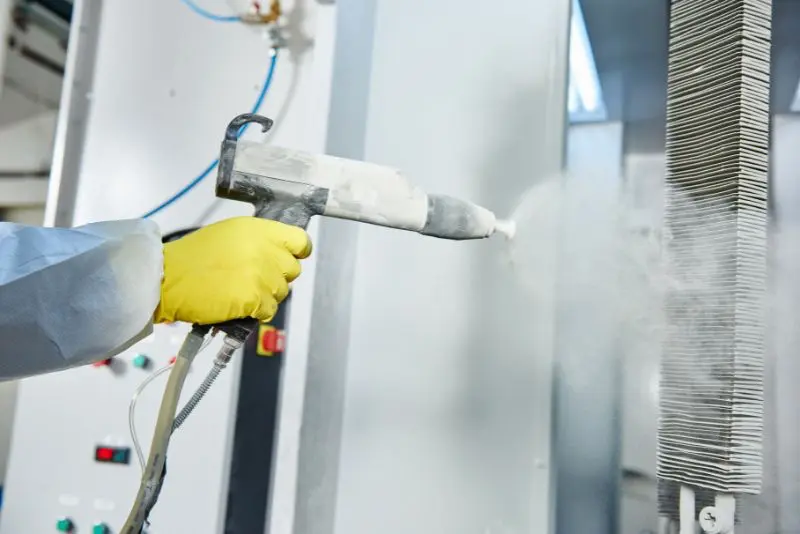
Foundry operations use PF resin as a shell mold binder, enabling precise casting of metal parts with clean release and dimensional accuracy during the manufacturing process. In coatings and laminates, it crosslinks with other resins to produce hard, chemically resistant surface finishes for industrial flooring, electrical laminates, and decorative panels.
Phenol formaldehyde resin is supplied as a liquid resole, solid novolac flake or powder, and solution-grade variants at defined solid content levels for various industrial needs. Standard grades include technical-grade resoles for wood bonding and novolacs for molding compounds. Specifications are defined by viscosity, free phenol content, and gel time.
Other Names (Synonyms)
phenolic resin|phenol-formaldehyde|PF resin|Formaldehyde, polymer with phenol|Phenol, polymer with formaldehyde|Kerite (polymer)|Renoterm 67|Formaldehyde-phenol copolymer
Key Technical Features
- High Purity Grade standard
- Consistent Batch Quality
- Full Regulatory & REACH Support
- Global Logistics Network enabled