

















Bisphenol a
Description
Bisphenol A (CAS 80-05-7), commonly abbreviated as BPA, is a high-volume industrial monomer used primarily to manufacture polycarbonate plastics and epoxy resins. It functions as a foundational building block in polymer synthesis. This chemical enables the production of durable, heat-resistant materials across multiple industrial sectors. In epoxy resin formulations, BPA reacts with epichlorohydrin to produce bisphenol A diglycidyl ether (BADGE).
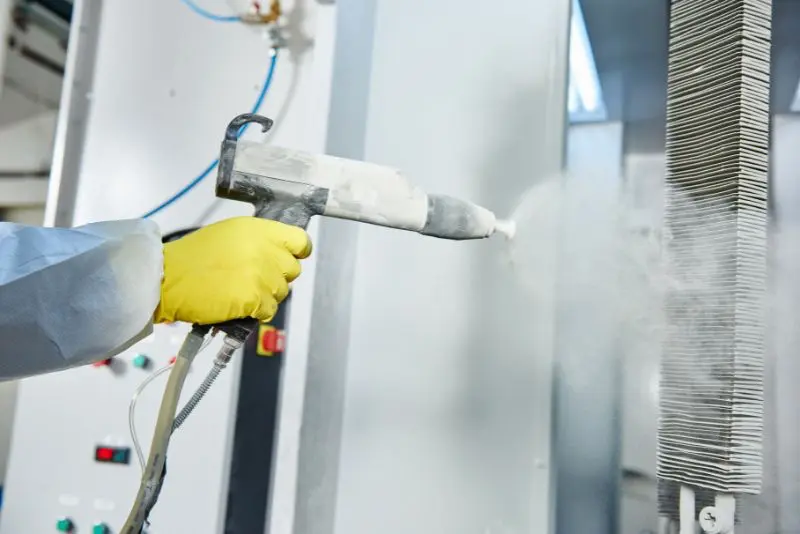
This substance serves as the base resin used in protective coatings, adhesives, and industrial laminates. Polycarbonate production accounts for a significant share of BPA consumption globally. The material delivers impact resistance and optical clarity in automotive glazing, electronic housings, and optical media. In coatings for metal substrates, BPA-based epoxies provide corrosion resistance and adhesion.
These coatings are essential for industrial pipelines and packaging under demanding conditions. Electronics manufacturers rely on BPA-derived epoxy systems for printed circuit board laminates and encapsulants. These systems are favored for applications requiring high thermal and electrical stability. Bisphenol A is supplied as a white crystalline powder or flake for bulk industrial handling.
Technical grade is the predominant commercial specification, though high-purity grades are available for demanding polymer and electronic applications. It is typically traded in 25 kg bags or bulk quantities. The product maintains consistent melt color and purity specifications aligned to major polymer-grade standards. This ensures reliable performance in large-scale manufacturing and chemical synthesis processes.
Other Names (Synonyms)
p,p'-isopropylidenediphenol|p,p'-isopropylidenebisphenol|p,p'-dihydroxydiphenylpropane|p,p'-dihydroxydiphenyldimethylmethane|p,p'-bisphenol A|isopropylidenebis(4-hydroxybenzene)|dimethylmethylene-p,p'-diphenol|dimethylbis(p-hydroxyphenyl)methane|BPA
Key Technical Features
- High Purity Grade standard
- Consistent Batch Quality
- Full Regulatory & REACH Support
- Global Logistics Network enabled