
















Crotonic acid
Description
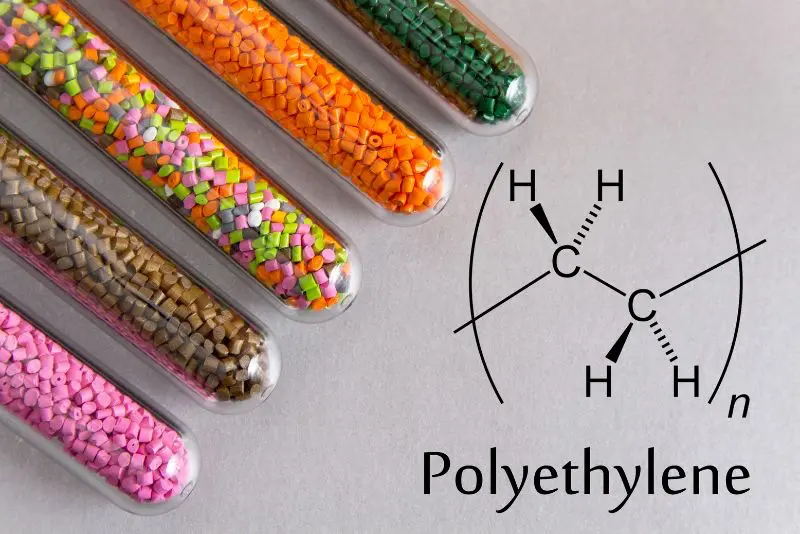
Crotonic acid (CAS 3724-65-0), also known as beta-methylacrylic acid, is an unsaturated monocarboxylic acid used primarily as a reactive monomer and chemical intermediate across polymer and specialty chemical manufacturing. Its conjugated double bond makes it a functional building block for synthesizing resins, coatings, and copolymers with targeted performance characteristics. In polymer chemistry, it is copolymerized with vinyl acetate.
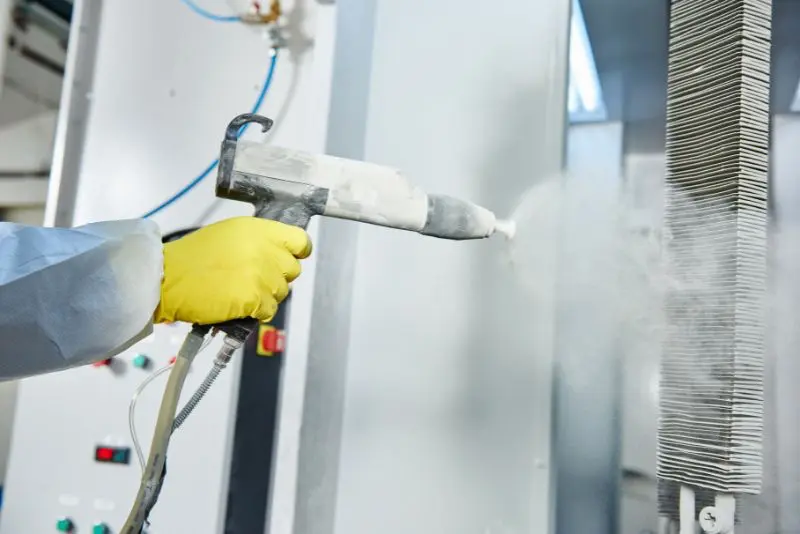
This process produces hair-fixative resins used in aerosol sprays and styling formulations. Agricultural chemical manufacturers use it as an intermediate in synthesizing crop protection actives and adjuvant systems. In food and flavor applications, it functions as a flavoring agent and acidulant in approved formulations, particularly where a mild acidity profile is required for specific end products.
Pharmaceutical producers also source it as a synthetic intermediate for active pharmaceutical ingredient (API) manufacturing. It is supplied as a white to off-white crystalline solid for industrial use. Standard commercial grades include technical and pharmaceutical-grade material, with purity levels typically ranging from 99% upward for high-specification applications. Packaging is available in small drums through to bulk quantities.
Other Names (Synonyms)
beta-methylacrylic acid|beta-methacrylic acid|alpha-crotonic acid|alpha-butenoic acid|3-methylacrylic acid|2-butenic acid|CTA|(E)-but-2-enoic acid
Key Technical Features
- High Purity Grade standard
- Consistent Batch Quality
- Full Regulatory & REACH Support
- Global Logistics Network enabled