









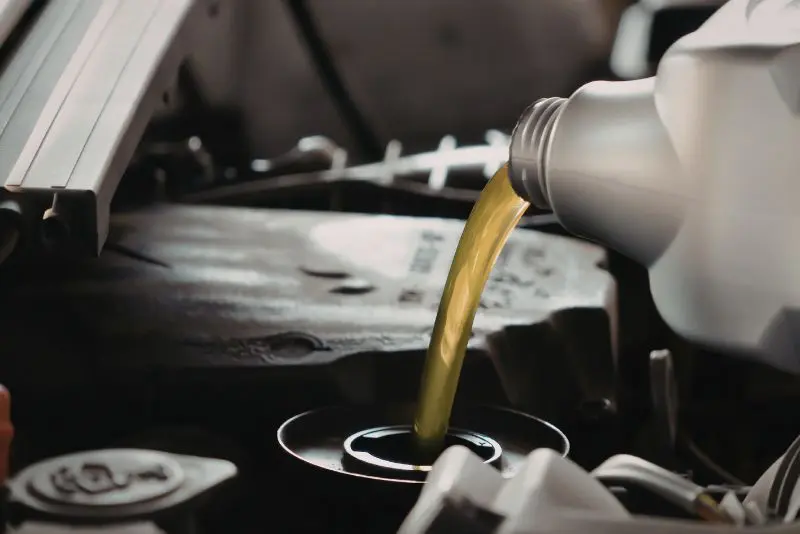










Petroleum
Description
Petroleum (CAS 8002-05-9), also known as raw oil, is a naturally occurring hydrocarbon mixture extracted from geological formations and refined into the foundational feedstocks that power modern industry. It functions as the primary source material for fuels, lubricants, solvents, and petrochemical intermediates across virtually every manufacturing sector. In the energy sector, it is processed into gasoline and diesel.
Through fractional distillation, it becomes the core input for combustion-based power generation and transportation. Lubricant manufacturers draw on specific fractions to produce base oils used in engine oils and industrial greases. Solvent-grade cuts derived from this material are used as carrier fluids in coatings, adhesives, and metalworking formulations where controlled evaporation and solvency are required for high-performance applications.
Petrochemical producers also use it as a cracking feedstock to manufacture ethylene, propylene, and other building-block chemicals for plastics and synthetic materials used in global manufacturing chains. The material is supplied in bulk liquid form, typically transported via tanker, pipeline, or ISO container depending on the grade and volume. Commercial grades include crude oil and refined hydrocarbon cuts.
Specifications vary by origin, API gravity, and sulfur content, with buyers typically sourcing to industry or refinery-defined standards rather than pharmacopeial grades like USP or Ph.Eur. standards.
Other Names (Synonyms)
raw oil|petrol oil|pampetro|fossil-oil|conventional oil|black gold|crude oil|oil
Key Technical Features
- High Purity Grade standard
- Consistent Batch Quality
- Full Regulatory & REACH Support
- Global Logistics Network enabled