












Protease
Description
Protease (CAS 9001-92-7), also classified under E1101 and the enzyme group EC 3.4, is a broad class of proteolytic enzymes that catalyze the hydrolysis of peptide bonds in proteins. Sourced from microbial, animal, and plant origins, these enzymes are procured across food processing, feed, pharmaceutical, and biotech manufacturing for protein modification and breakdown tasks.
In baking and brewing, proteases condition gluten networks and improve dough extensibility, while also accelerating yeast-available nitrogen release in wort preparation for fermentation. Meat processing operations use them to tenderize cuts and produce hydrolyzed protein ingredients for soups, sauces, and flavor systems. This enhances both texture and nutritional profiles.
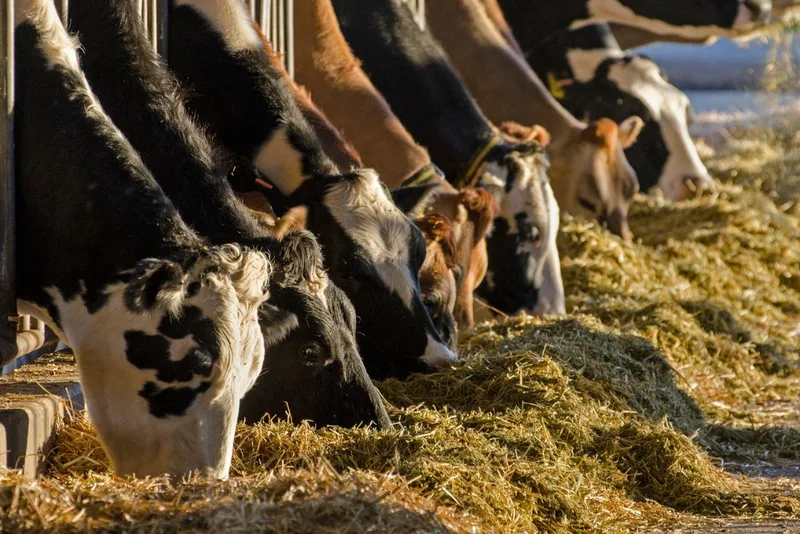
In animal feed, protease supplementation improves digestibility of plant-based protein sources such as soy and canola meal, directly impacting feed conversion ratios and animal health. Pharmaceutical and biotech manufacturers rely on proteases for peptide synthesis, API production, and cell culture media preparation where controlled protein digestion is required for success.
Protease is supplied as liquid concentrate, granulated powder, or immobilized enzyme preparations depending on process requirements. Activity is expressed in units such as HUT, AU, or APU. Commercial grades are aligned to FCC, food-grade, or technical specifications. Feed-grade variants are available with declared activity levels meeting regulatory standards for inclusion.
Other Names (Synonyms)
peptide hydrolases|peptide hydrolase|EC 3.4|hydrolase, acting on peptide bonds|proteolytic enzyme|Tamase|DA 10|PROTEASES|E1101
Key Technical Features
- High Purity Grade standard
- Consistent Batch Quality
- Full Regulatory & REACH Support
- Global Logistics Network enabled