










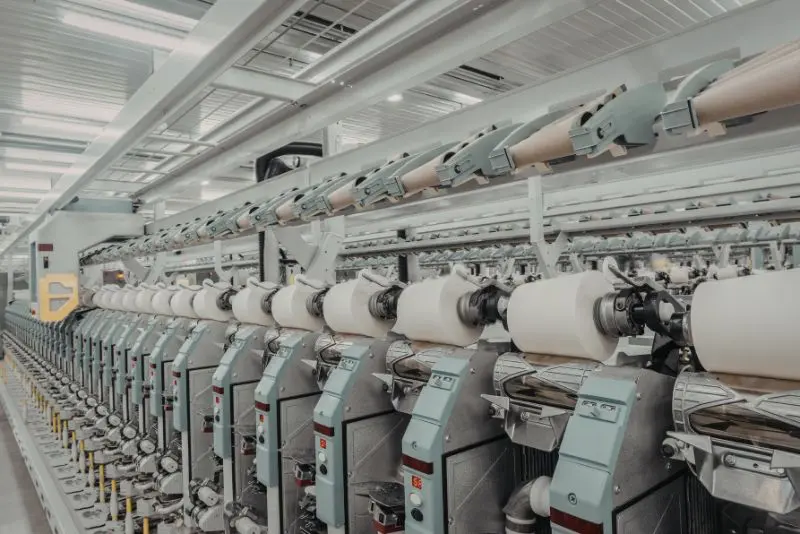

Bacterial amylase
Description
Bacterial amylase (CAS 9000-85-5), also sourced and referenced commercially as alpha-Amylase from Bacillus sp. and alpha-Amylase from Bacillus amyloliquefaciens, is an enzyme that catalyzes the breakdown of starch into fermentable sugars and dextrins. Derived from Bacillus strains, it operates efficiently at elevated temperatures, making it a preferred choice for high-throughput industrial starch processing. In baking, it improves dough extensibility, crust color, and loaf volume by degrading damaged starch.
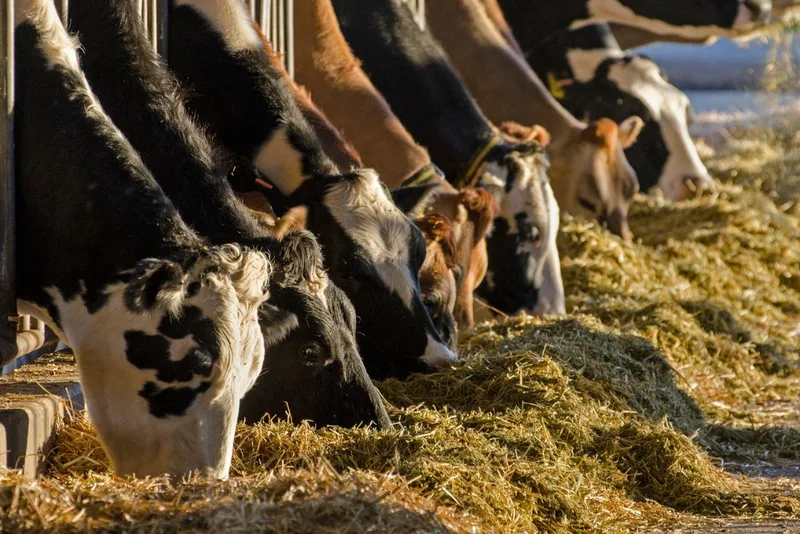
Brewing and bioethanol production rely on it to liquefy and saccharify grain mashes, directly increasing fermentable sugar yield ahead of yeast fermentation. Textile and paper manufacturers use it to desize starch-coated fabrics and to modify paper pulp viscosity. In animal feed formulations, it supports starch digestibility in monogastric species, improving feed conversion ratios. Bacterial amylase is supplied as a liquid concentrate or as a standardized powder, with activity expressed in units such as SKB, KNU, or FAU.
Food-grade and feed-grade specifications are the most commonly traded, with activity levels and thermostability profiles varying by Bacillus strain and production process. These products often meet FCC and USP standards for safety and purity. Pharmaceutical and diagnostic grades are available for research and life science applications requiring tighter purity controls. These specialized grades may adhere to Ph.Eur., BP, EP, or ACS quality standards depending on the specific regional requirements.
Other Names (Synonyms)
alpha-Amylase from Bacillus sp.|alpha-Amylase from Bacillus amyloliquefaciens|Amylase, bacterial|TERMAMYL®
Key Technical Features
- High Purity Grade standard
- Consistent Batch Quality
- Full Regulatory & REACH Support
- Global Logistics Network enabled