













Glyphosate
Description
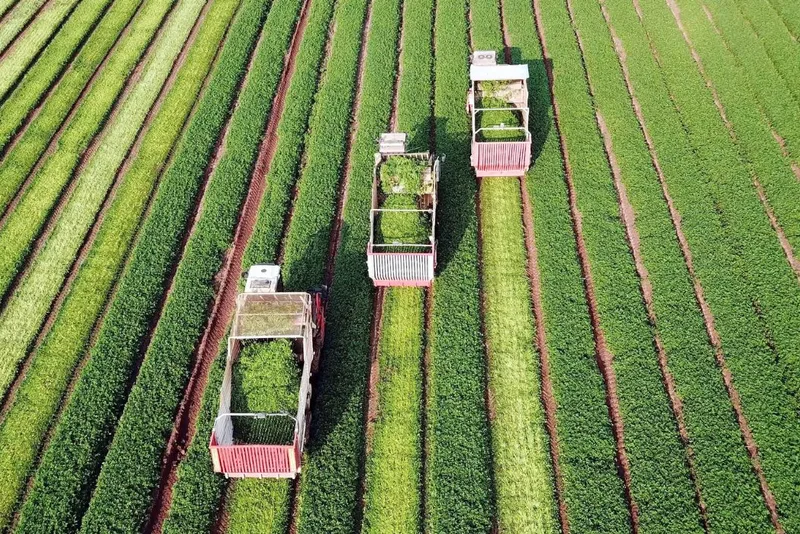
Glyphosate (CAS 1071-83-6) is a broad-spectrum, non-selective herbicide used globally to control annual and perennial weeds across agricultural and non-agricultural settings. Sold under trade names such as Glyfos, it is the active ingredient in some of the most widely distributed herbicide formulations in the world. In row crop agriculture, including corn, soy, and canola, glyphosate is applied pre- and post-emergence to eliminate competing vegetation, particularly in herbicide-tolerant crop systems. Plantation and orchard managers use it for ground cover suppression between tree rows without damaging established crops.
It is also used in non-crop applications such as industrial site maintenance, railway corridors, and utility rights-of-way where total vegetation control is required. Formulators producing herbicide concentrates incorporate glyphosate as the primary active substance for improved solubility and uptake. Typically, these formulations utilize the isopropylamine or potassium salt versions of the chemical to ensure maximum efficacy. Glyphosate is supplied as a technical-grade acid, as well as in formulated liquid concentrates most commonly as the isopropylamine salt in aqueous solution.
Varying active ingredient concentrations are available to meet specific industrial needs. Dry formulations including soluble granules and soluble powders are also commercially available for diverse application methods. Material is sourced to agricultural technical specifications for global distribution. Purity levels and impurity profiles are typically aligned with FAO/WHO or equivalent regulatory standards. This ensures that the chemical meets the rigorous safety and performance requirements necessary for large-scale agricultural and industrial deployment across international markets.
Other Names (Synonyms)
N-(phosphonomethyl)glycine|Glyfos|N-Phosphomethylglycine|2-(phosphonomethylamino)acetic acid|Silglif|Glycine, N-(phosphonomethyl)-|MON 2139|Glialka
Key Technical Features
- High Purity Grade standard
- Consistent Batch Quality
- Full Regulatory & REACH Support
- Global Logistics Network enabled