














SoleChem

Caprylic acid

CAS
124-07-2
EC
204-677-5
Mol. Weight
144.21 g/mol

Description

Caprylic acid (CAS 124-07-2), also known as octylic acid, is a saturated C8 fatty acid derived primarily from coconut and palm kernel oil. It functions as a pH regulator, emulsifier, and antimicrobial agent across food, pharmaceutical, and personal care manufacturing.

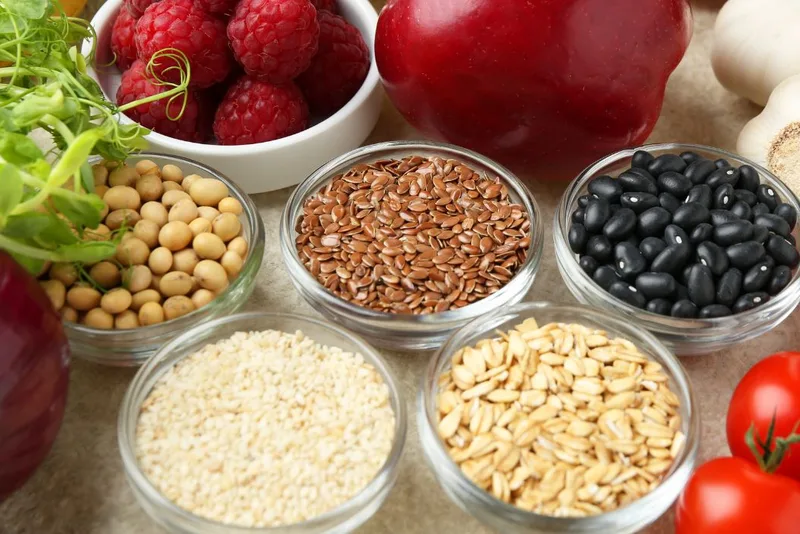
In food production, caprylic acid is used as a flavoring agent and acidulant, with FEMA 2799 status supporting its use in dairy, baked goods, and beverage formulations. Pharmaceutical manufacturers use it as an excipient and stabilizer in lipid-based drug delivery systems.

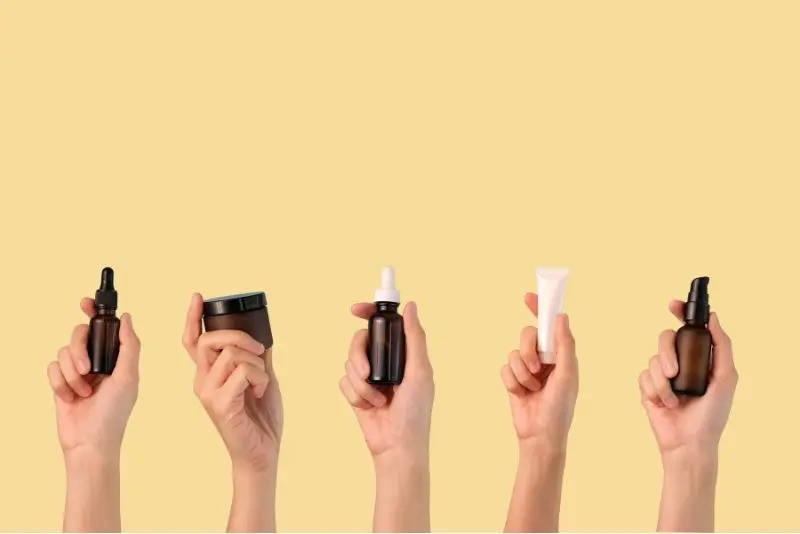
This versatile fatty acid is particularly effective for oral and topical formulations. Personal care formulators incorporate it into skin creams and hair products where it supports emulsion stability and acts as a conditioning agent.

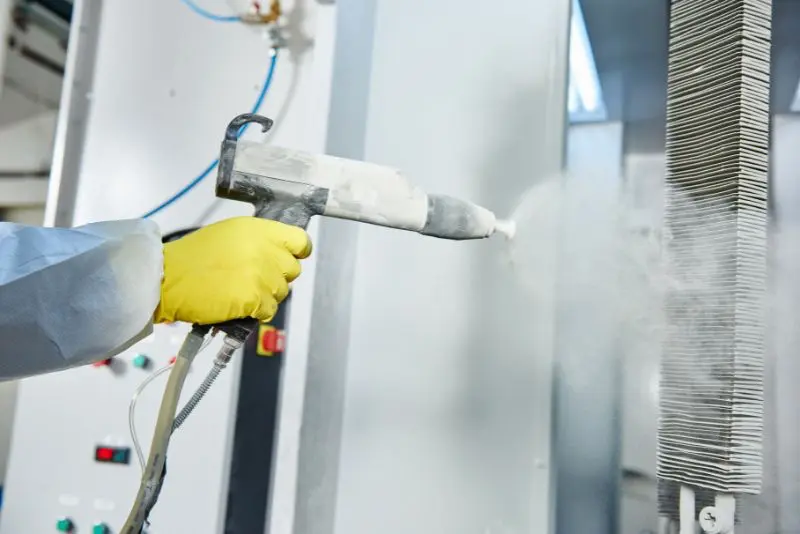
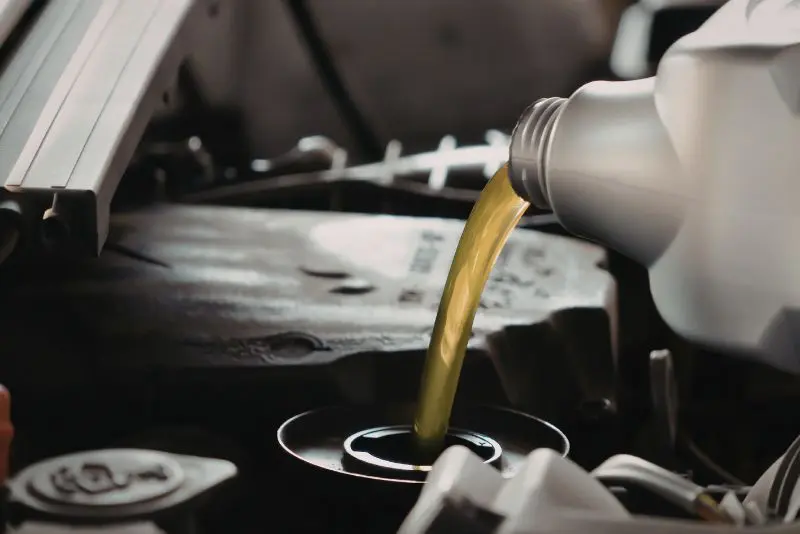
In metalworking and lubricant applications, it serves as a feedstock for ester-based lubricants and corrosion inhibitors. Caprylic acid is supplied as a colorless to pale yellow liquid that meets rigorous industrial requirements.

Standard commercial grades include food-grade (FCC), pharmaceutical-grade (USP/BP), and technical-grade. Purity levels typically range from 98% to 99.5% to ensure consistent performance in sensitive chemical processes.

Packaging options generally include drums and IBC containers, with bulk tanker supply available for high-volume industrial buyers. This ensures flexible logistics for manufacturers across the global chemical supply chain.

Contact us for supply of Caprylic acid

Request Quote

Physical Properties

Melting Point 16.7 °C
Boiling Point 239.7 °C
Density 0.910 g/cm³ @ Temp: 20 °C
Flash Point >230 °F
Appearance colourless oily liquid
Color Clear colorless to yellow
Odor unpleasant odor
Form Liquid
Water Solubility 0.68 g/L (20 ºC)
Vapor Pressure 1 mm Hg ( 78 °C)
Refractive Index n 20/D 1.428(lit.)
pH 4 (0.2g/l, H2O, 20℃)
Log P 3.05 at 20℃

Safety & Handling (Learn More)

Danger GHS05 GHS06 GHS07
Hazard Statements
H302 Harmful if swallowed
H311 Toxic in contact with skin
H314 Causes severe skin burns and eye damage
H318 Causes serious eye damage
H402 Harmful to aquatic life
H412 Harmful to aquatic life with long lasting effects
Precautionary Statements
P260 Do not breathe dust/fume/gas/mist/vapours/spray.
P262 Do not get in eyes, on skin, or on clothing.
P264 Wash … thoroughly after handling.
P270 Do not eat, drink or smoke when using this product.
P273 Avoid release to the environment.
P280 Wear protective gloves/protective clothing/eye protection/face protection.
P316 Get emergency medical help immediately.
P317 Get emergency medical help.
P321 Specific treatment (see … on this label).
P330 Rinse mouth.
P363 Wash contaminated clothing before reuse.
P405 Store locked up.
P501 Dispose of contents/container in accordance with local regulations.
P264+P265 Wash … thoroughly after handling.
P301+P317 Get emergency medical help.
P302+P352 IF ON SKIN: Wash with plenty of water.
P304+P340 IF INHALED: Remove person to fresh air and keep comfortable for breathing.
P361+P364 Take off immediately all contaminated clothing and wash it before reuse.
P301+P330+P331 Rinse mouth. Do NOT induce vomiting.
P302+P361+P354 IF ON SKIN: Take off immediately all contaminated clothing. Rinse skin with water/shower.
P305+P354+P338 IF IN EYES: Rinse cautiously with water for several minutes. Remove contact lenses, if present and easy to do. Continue rinsing.

Trade & Regulatory

HS Code 29159000
UN Number 3265
ADR Class 8
Packing Group III
Storage Class 8A - Combustible corrosive hazardous materials
WGK (Germany) 1

Documentation

Other Names

octylic acid|octoic acid|n-octylic acid|n-octoic acid|n-octanoic acid|n-caprylic acid|1-heptanecarboxylic acid|octanoic acid

Related Products

Need a chemical? Get a quote within 24 hours.

Call Request Quote