
















Octrizole
Description
Octrizole (CAS 3147-75-9), commercially recognized under the trade names UV-329 and Tinuvin 329, is a benzotriazole-class UV absorber used to protect organic substrates from photodegradation. It functions by selectively absorbing ultraviolet radiation and dissipating it as heat, preventing color fade, embrittlement, and surface degradation in finished materials during long-term exposure.
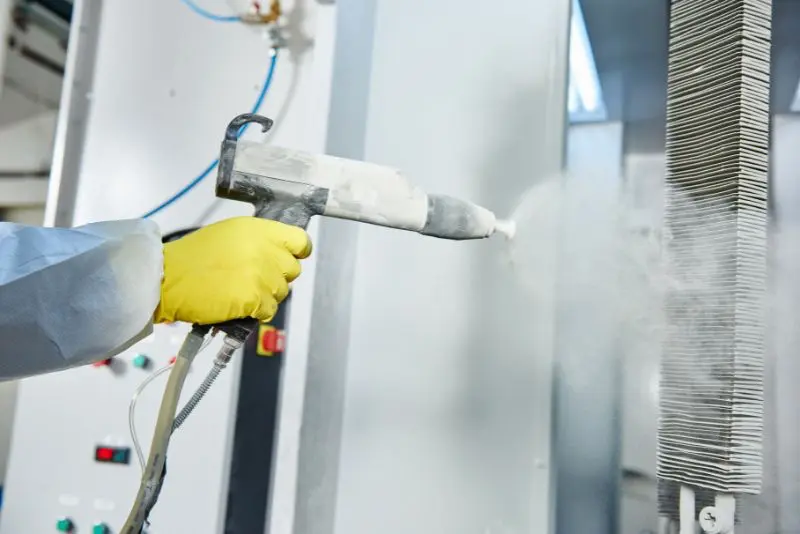
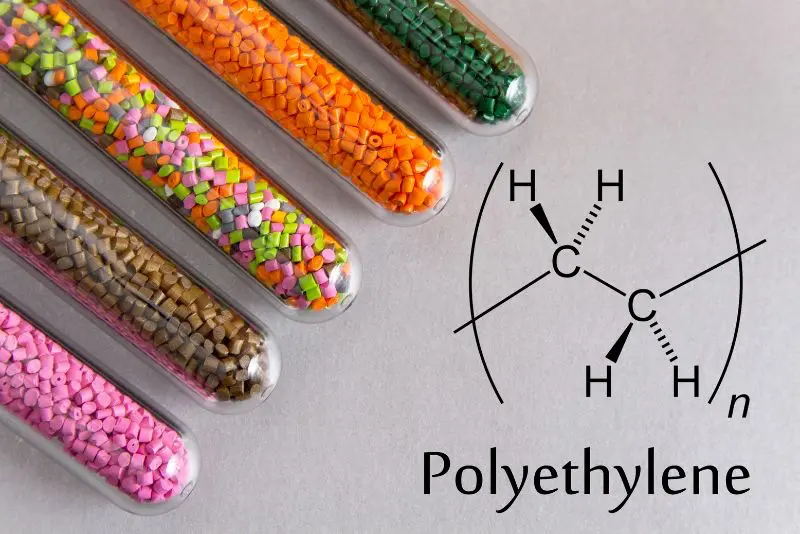
In automotive coatings and OEM clearcoats, this stabilizer extends exterior durability by blocking UV wavelengths responsible for polymer chain scission and gloss loss in high-performance finishes. Plastics processors incorporate it into polyolefins, engineering resins, and film extrusion to meet long-term weathering specifications for outdoor-rated components and structural materials.
Adhesive and sealant formulators use it to maintain bond integrity and elasticity in products exposed to prolonged sunlight, ensuring that the chemical bonds do not fail prematurely. Printing inks and flexible packaging laminates benefit from its inclusion where UV-induced yellowing or substrate degradation would compromise print quality or critical barrier performance.
This chemical is supplied as a pale yellow to white powder or granule. Standard commercial grades are available for industrial and technical applications, with purity typically specified at 99% minimum. Packaging options generally range from kilogram-scale bags to bulk quantities suited for industrial formulation operations, ensuring reliable supply chains for large-scale manufacturing needs.
Other Names (Synonyms)
UV-329|2-(2-Hydroxy-5-tert-octylphenyl)benzotriazole|Tinuvin 329|Cyasorb 5411|2-(2H-Benzotriazol-2-yl)-4-(1,1,3,3-tetramethylbutyl)phenol|Cyasorb UV 5411|Sumisorb 340|2-Benzotriazolyl-4-tert-octylphenol
Key Technical Features
- High Purity Grade standard
- Consistent Batch Quality
- Full Regulatory & REACH Support
- Global Logistics Network enabled