









Hydrazine hydrate
Description
Hydrazine hydrate (CAS 7803-57-8) is a concentrated aqueous solution of hydrazine used across chemical manufacturing as a reducing agent, oxygen scavenger, and reactive intermediate. The Hydrazine hydrate (1:1) designation refers to the same product and carries no distinct commercial identity. Its primary industrial value lies in its ability to drive synthesis reactions.
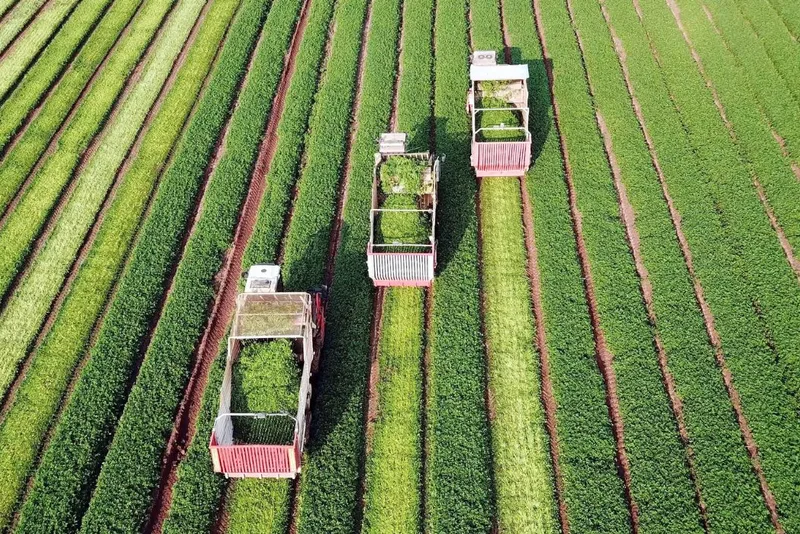
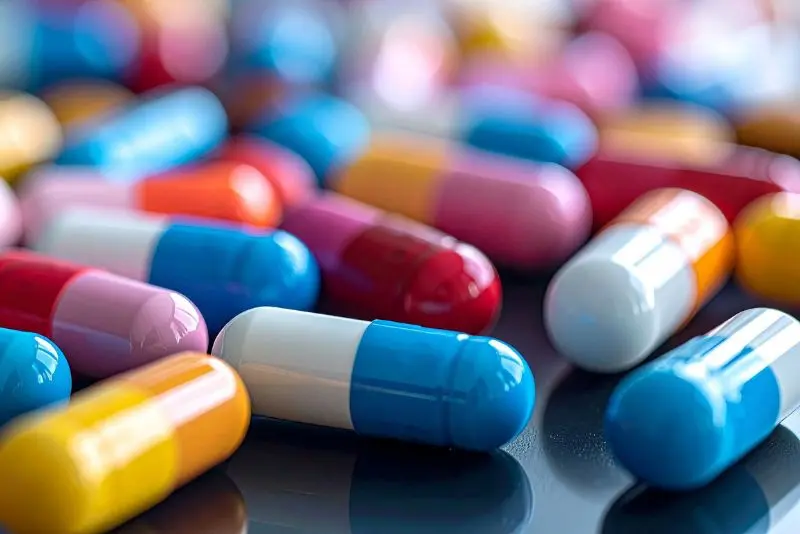
It is used to remove dissolved oxygen from process streams and initiate polymerization. In boiler water and power plant systems, it scavenges dissolved oxygen to prevent corrosion in high-pressure pipelines. Pharmaceutical and agrochemical manufacturers rely on it as a building block for synthesizing active ingredients, including hydrazide-based drug compounds and herbicides for global markets.
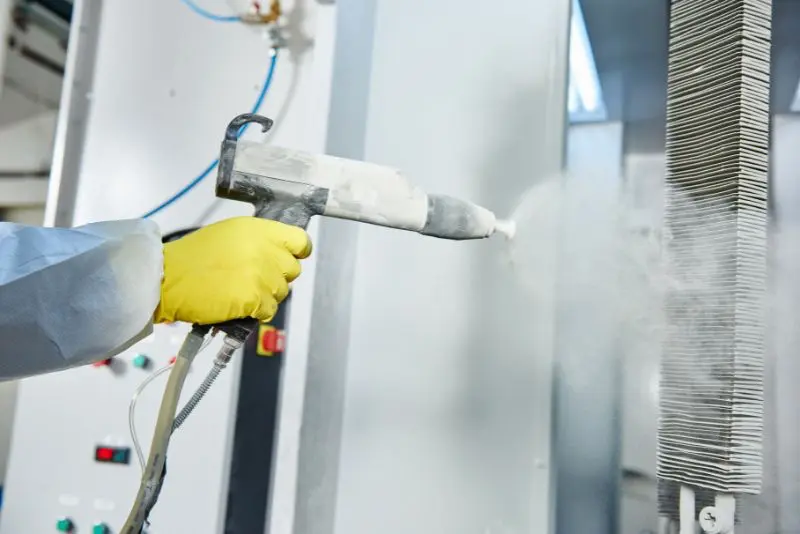
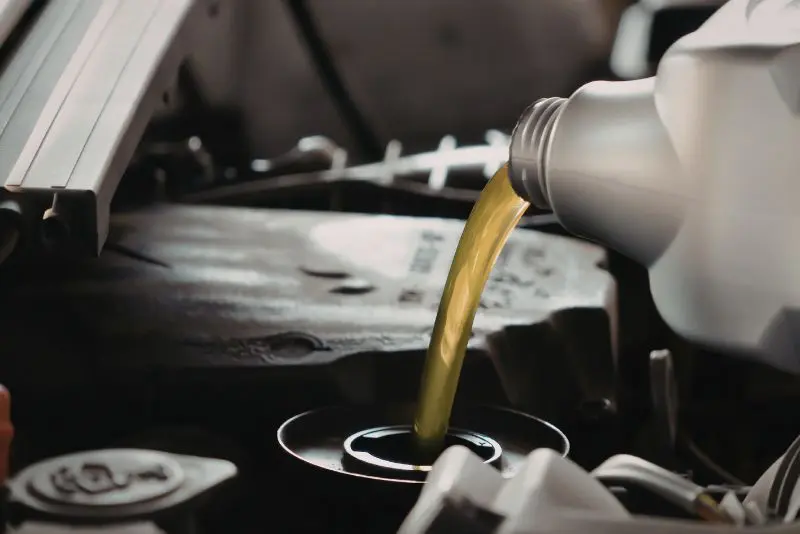
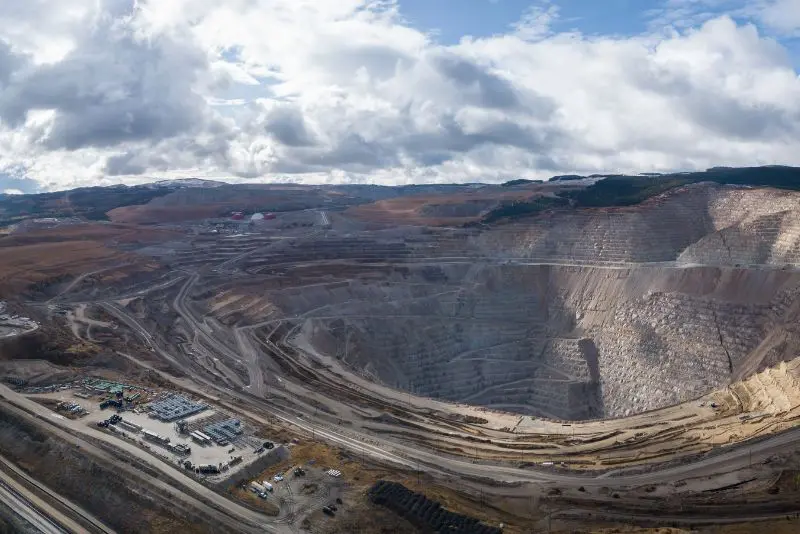
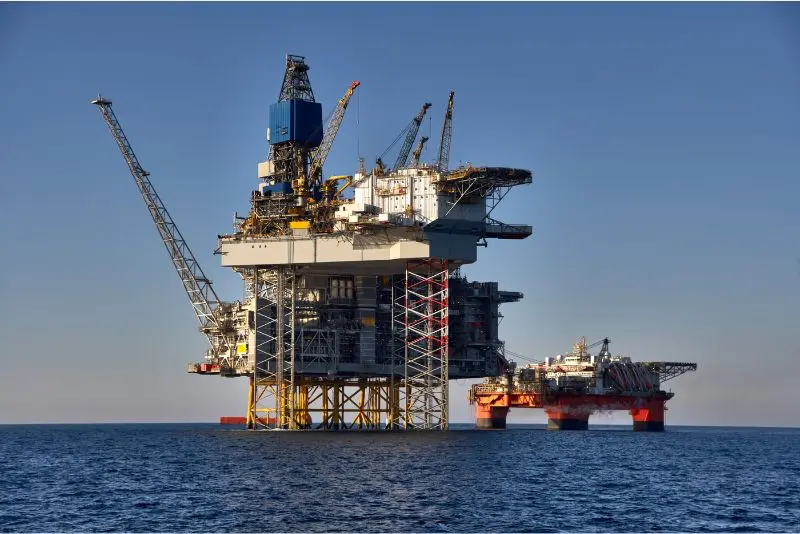
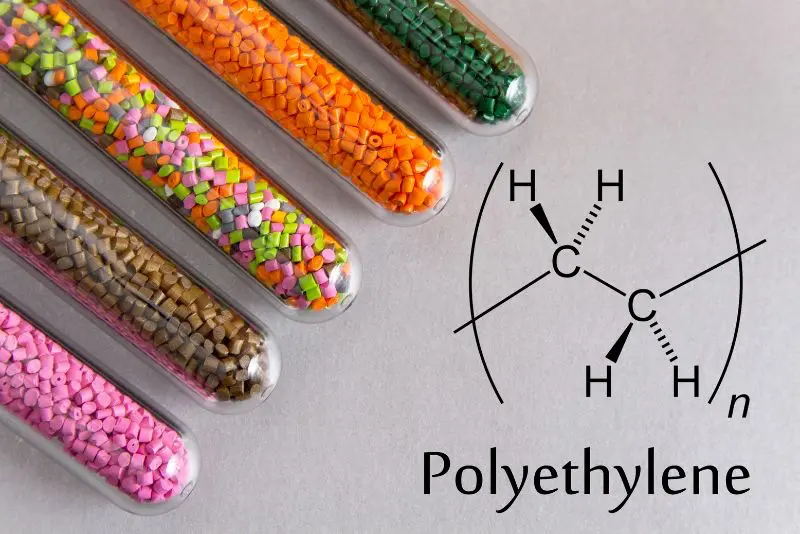
In polymer production, it initiates polymerization and acts as a chain extender in certain polyurethane and hydrogel systems. Mining and oil and gas operations use it in corrosion inhibition programs. It also serves as a reducing agent in metal refining and hydrometallurgical processes. Hydrazine hydrate is supplied as a clear aqueous liquid, most commonly at 64% and 80% concentrations.
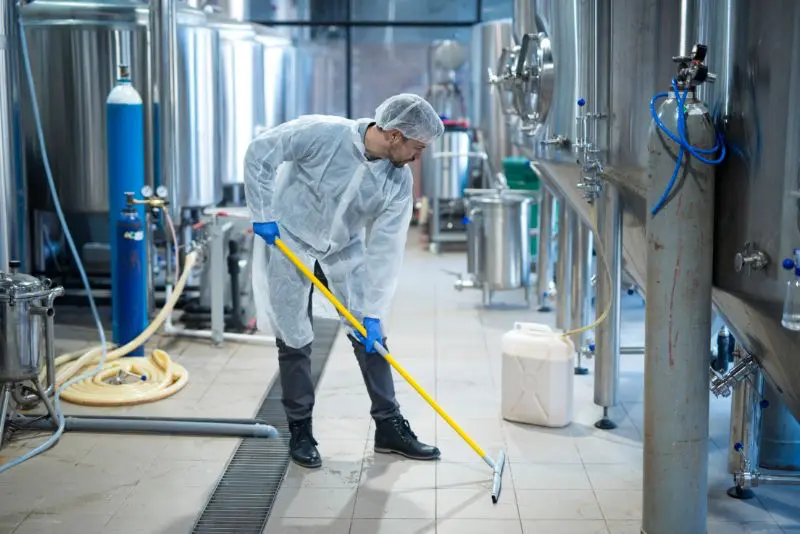
Technical grade is standard for industrial applications, while higher-purity specifications are available to meet pharmaceutical intermediate requirements for specialized manufacturing. Bulk supply is typically in drums or IBC containers, with concentration and purity confirmed against established analytical specifications to ensure consistent performance in all applications.
Other Names (Synonyms)
Hydrazine hydrate (1:1)
Key Technical Features
- High Purity Grade standard
- Consistent Batch Quality
- Full Regulatory & REACH Support
- Global Logistics Network enabled