













Dicumyl peroxide
Description
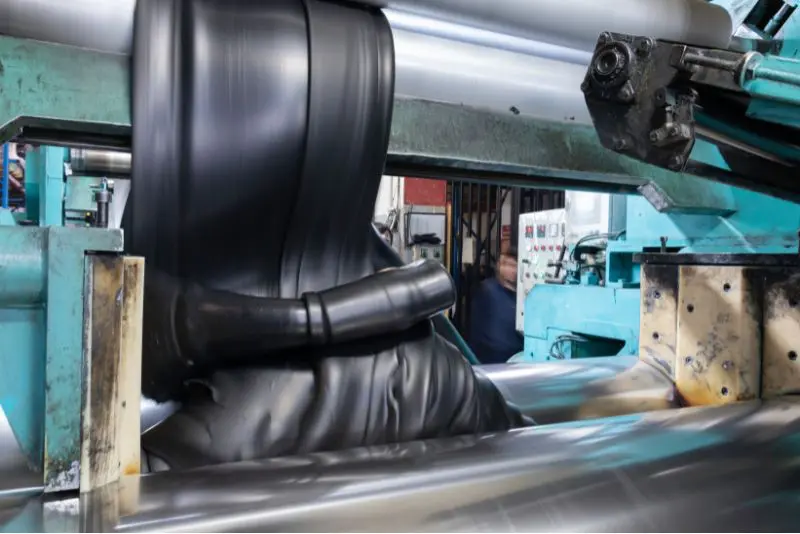
Dicumyl peroxide (CAS 80-43-3), also known as cumyl peroxide, is an organic peroxide used industrially as a cross-linking agent and free-radical polymerization initiator. It enables controlled vulcanization of elastomers and curing of thermoplastics. This chemical is essential for thermosets across demanding manufacturing environments. In rubber and tire manufacturing, it cross-links EPDM, silicone, and natural rubber compounds to improve heat resistance and mechanical durability.
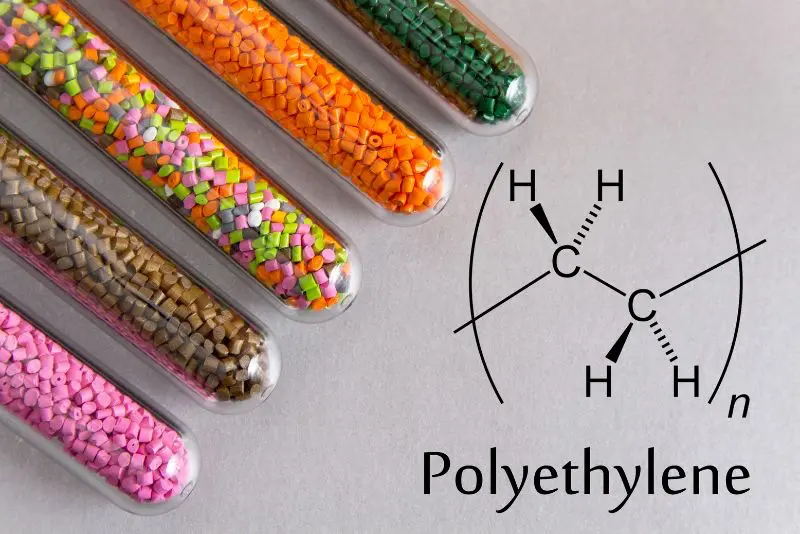
Wire and cable producers use it to cure polyethylene insulation, producing XLPE with the electrical and thermal performance required for medium- and high-voltage applications. This ensures long-term stability in infrastructure. Automotive and aerospace component manufacturers rely on it to cure molded rubber seals, gaskets, and vibration-dampening parts. Peroxide curing outperforms sulfur systems in long-term heat aging scenarios.
It also initiates controlled grafting and polymerization reactions in polymer modification processes. This includes the production of impact-modified polypropylene compounds used in various industrial sectors. Dicumyl peroxide is supplied as a white crystalline powder and in granule form. The active oxygen content is typically specified at 98% purity minimum to ensure consistent performance in chemical reactions.
Technical-grade material is the standard commercial offering for most buyers. Concentrations and carrier-based masterbatch forms are available to meet handling and dosing requirements in industrial compounding lines.
Other Names (Synonyms)
Bis(alpha,alpha-dimethylbenzyl)peroxid|Cumene peroxide|Cumyl peroxide|Di-Cup|Perkadox B|Perkadox BC|Percumyl D|Perkadox SB
Key Technical Features
- High Purity Grade standard
- Consistent Batch Quality
- Full Regulatory & REACH Support
- Global Logistics Network enabled