
















Cellulose acetate
Description
Cellulose acetate (CAS 9004-35-7), also supplied as cellulose triacetate (CTA), is an acetylated biopolymer derived from natural cellulose and used across textile, film, and filtration manufacturing. CA functions as a film-forming resin and fiber-forming polymer, enabling manufacturers to produce shaped, extruded, or cast end products with controlled mechanical properties.
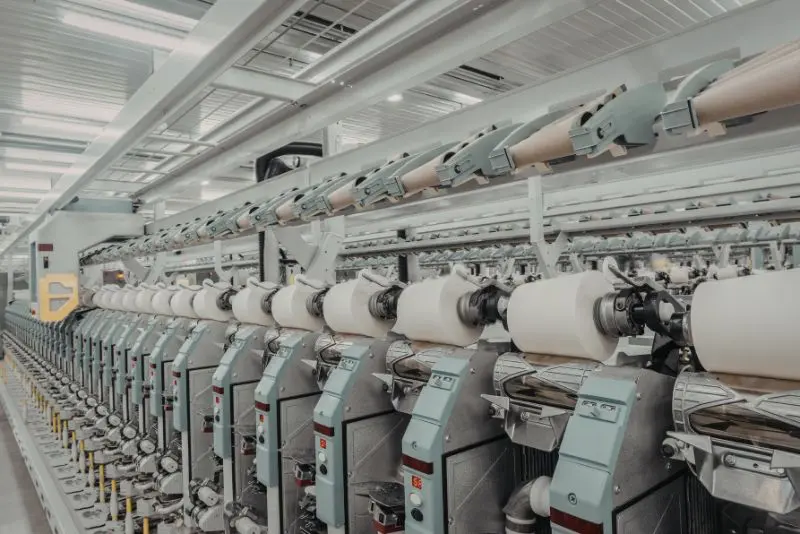
In textile production, CA is the base polymer for acetate fiber — spun into filament yarns used in linings, blouses, and luxury apparel where a silk-like drape is required. Cigarette filter tow represents one of the largest single-use applications, where CA tow is crimped and processed into acetate filter rods for the tobacco industry.
In plastics and packaging, it is compounded into injection-molded or extruded sheet products, including eyeglass frames, tool handles, and transparent film for graphic arts. Membrane and filtration manufacturers also use CA to cast reverse osmosis and ultrafiltration membranes for water treatment and dialysis equipment applications.
Cellulose acetate is supplied as flake, powder, or tow depending on the target application. Standard grades include textile-grade tow, plastics-grade flake, and membrane-grade powder. Technical and industrial grades are the most common commercial forms; pharmaceutical-grade CA meeting USP or Ph. Eur. standards is available for controlled-release coating applications.
Other Names (Synonyms)
cellulose triacetate|acetate|Acetate cotton|Acetate ester of cellulose|Ampacet C/A|CA
Key Technical Features
- High Purity Grade standard
- Consistent Batch Quality
- Full Regulatory & REACH Support
- Global Logistics Network enabled