












Trisodium hexafluoroaluminate
Description
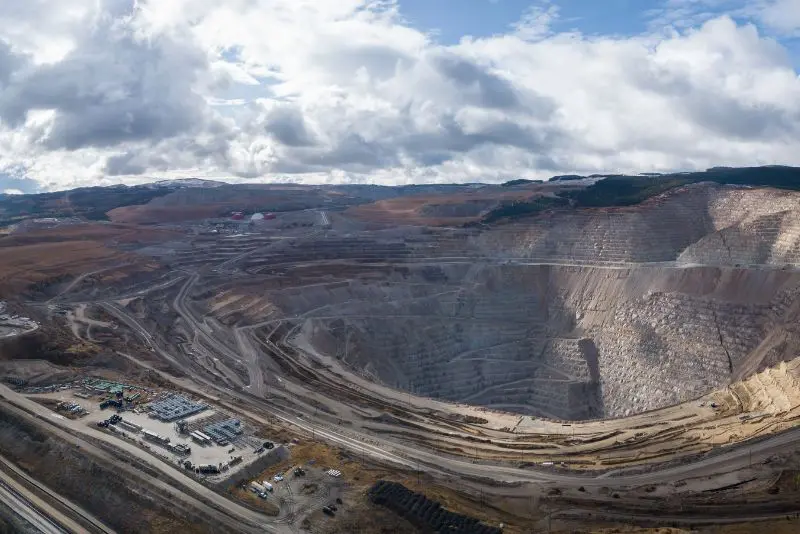
Trisodium hexafluoroaluminate (CAS 13775-53-6), commercially known as cryolite, is a fluoride-based inorganic salt sourced both from natural mineral deposits and synthesized as a synthetic equivalent. In the aluminum smelting industry, it functions as the primary flux and electrolyte medium that enables the dissolution and electrochemical reduction of alumina into metallic aluminum.
In aluminum production, cryolite forms the molten bath in Hall-Héroult electrolytic cells, directly determining process efficiency and metal purity. This makes it a critical procurement input for primary aluminum smelters. In agriculture, it is applied as a contact insecticide under the trade name Cryocide, targeting chewing insects such as grape phylloxera and citrus pests on crops where residue tolerances permit its use.
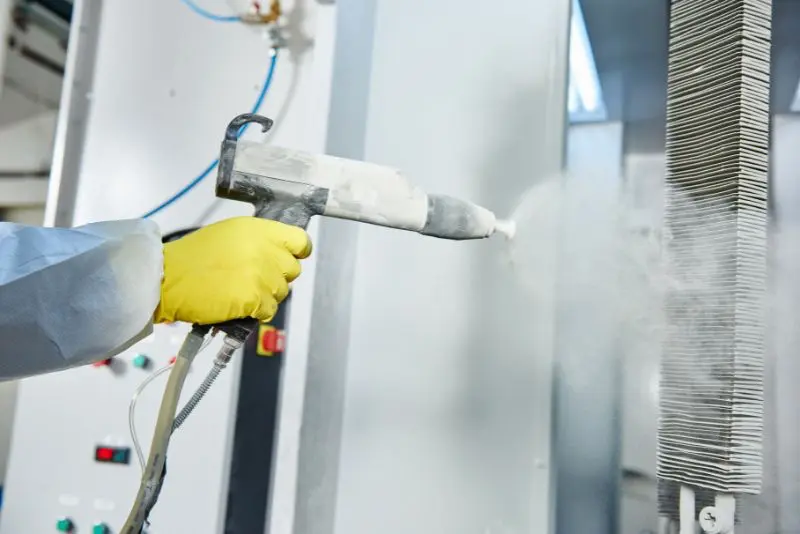
Glass and enamel manufacturers incorporate it as a fluxing agent and opacifier to lower melting temperatures and improve surface finish in specialty coatings. It also serves as a catalyst component in certain systems. Synthetic cryolite is the dominant commercial form, available as a fine white powder or granules. It is supplied in technical and agricultural grades, with the agricultural specification subject to regional registration.
Bulk supply is standard for metallurgical buyers, while smaller packaged quantities are available for agricultural and industrial use. The material is handled according to strict safety protocols for fluoride compounds.
Other Names (Synonyms)
CRYOLITE|Cryolite (Na3(AlF6))|Cryocide|Kryocide|Kryolith|ICE Spar|Cryolite (AlNa3F6)|Sodium aluminum fluoride
Key Technical Features
- High Purity Grade standard
- Consistent Batch Quality
- Full Regulatory & REACH Support
- Global Logistics Network enabled