

















Sodium polyglutamate
Description
Sodium polyglutamate (CAS 28829-38-1), commonly abbreviated as NaPGA, is a naturally derived polyamino acid produced through microbial fermentation of glutamic acid. It functions as a high-performance humectant, film-former, and chelating agent across food, cosmetic, and industrial markets. In skincare and haircare formulations, NaPGA outperforms hyaluronic acid in moisture retention at equivalent concentrations, making it a premium ingredient in serums, moisturizers, and conditioning treatments.
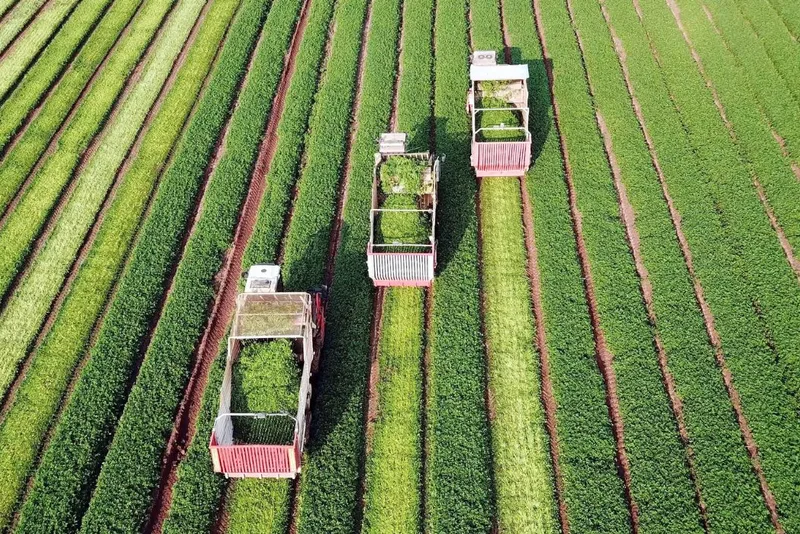
Food manufacturers use it as a flavor enhancer and texture modifier in soups, sauces, and fermented products, where it also reduces sodium content without compromising taste profile. In agriculture, it improves nutrient uptake efficiency by chelating micronutrients in liquid fertilizer formulations, reducing fertilizer loss through leaching. This makes it a sustainable choice for modern farming.
Water treatment applications leverage its chelating capacity to sequester calcium and magnesium ions, controlling scale formation in industrial cooling and process water systems. This ensures equipment longevity and efficiency. Sodium polyglutamate is supplied as a white to off-white powder or as an aqueous solution at varying concentrations. Food-grade and cosmetic-grade specifications are the most commercially prevalent.
Fermentation-derived material remains the market standard for high-purity applications. Technical-grade material is also available for agricultural and water treatment applications to meet specific industrial needs.
Other Names (Synonyms)
Poly[imino[(1S)-1-(2-carboxyethyl)-2-oxo-1,2-ethanediyl] sodium salt (1:1)]|Poly[iminocarbonyl(3-carboxypropylidene) monosodium salt], L-|Poly[imino[1-(2-carboxyethyl)-2-oxo-1,2-ethanediyl] monosodium salt], (S)-|Poly[imino[(1S)-1-(2-carboxyethyl)-2-oxo-1,2-ethanediyl] monosodium salt]|Poly(sodium glutamate)
Key Technical Features
- High Purity Grade standard
- Consistent Batch Quality
- Full Regulatory & REACH Support
- Global Logistics Network enabled