









Dimethyl carbonate
Description
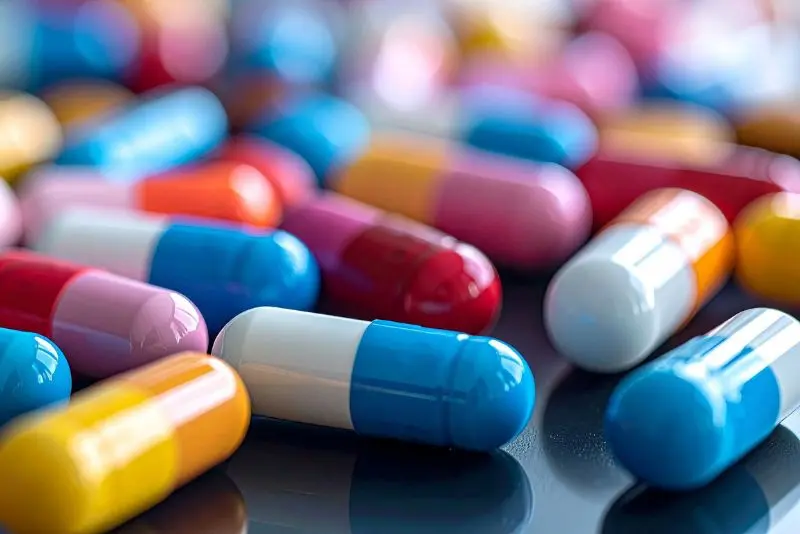
Dimethyl carbonate (CAS 616-38-6), commonly abbreviated as DMC, is a low-toxicity carbonylation reagent and solvent that has largely displaced phosgene and dimethyl sulfate in industrial synthesis. It functions as a methylating agent, carbonylating agent, and green solvent across pharmaceutical, polymer, and specialty chemical manufacturing. In pharmaceutical synthesis, DMC acts as a safer methylation reagent.
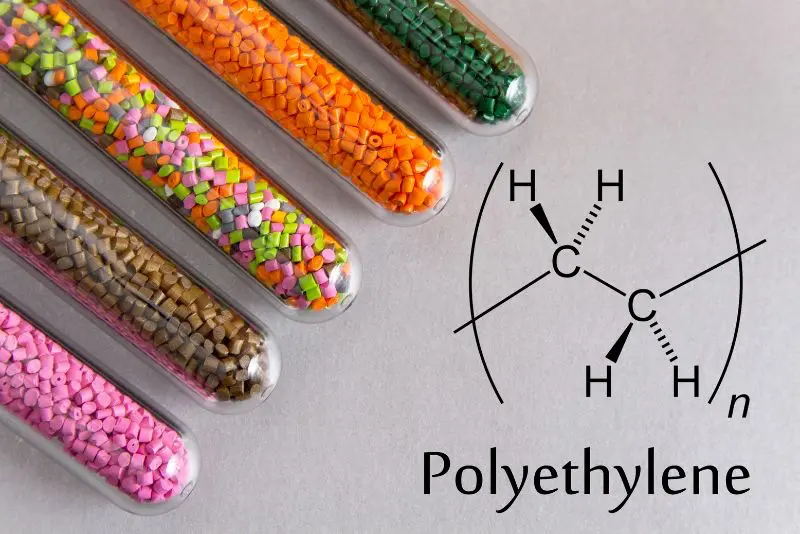
This reagent is used for producing active ingredients and intermediates, reducing hazardous waste streams compared to legacy reagents. Polycarbonate and polyurethane producers use it as a monomer or chain extender. These applications help to improve resin clarity and thermal performance. As a solvent and electrolyte component, DMC is a key ingredient in lithium-ion battery electrolyte formulations for modern energy storage.
Its low viscosity and oxidative stability support cell performance. In food and beverage processing, DMC is approved as a microbial control agent for cold-sterilizing wine, fruit juices, and isotonic drinks. This process allows for sterilization without heat treatment. Dimethyl carbonate is supplied as a clear liquid in drum, IBC, and bulk tanker quantities to meet various industrial logistics requirements.
Standard commercial grades include technical, battery-grade, and food-grade material meeting regulatory requirements for beverage applications. Purity specifications typically range from 99.0% for technical use. High-purity grades reach up to 99.95%+ for battery electrolyte applications. The material is manufactured to meet rigorous industry benchmarks including USP and FCC standards where applicable.
Other Names (Synonyms)
methyl carbonate|carbonic acid, dimethyl ester|DMC|Methyl carbonate ((MeO)2CO)|KE9J097SPN|AI3-14705|AK 100
Key Technical Features
- High Purity Grade standard
- Consistent Batch Quality
- Full Regulatory & REACH Support
- Global Logistics Network enabled