















Chitosan
Description
Chitosan (CAS 9012-76-4), also known as Chitin N-deacetyl- and commercially as Kytex H, is a natural polysaccharide derived from the deacetylation of chitin found in crustacean shells. In industrial applications, it functions as a biopolymer flocculant, antimicrobial agent, and film-forming rheology modifier across food, pharmaceutical, agricultural, and water treatment sectors.
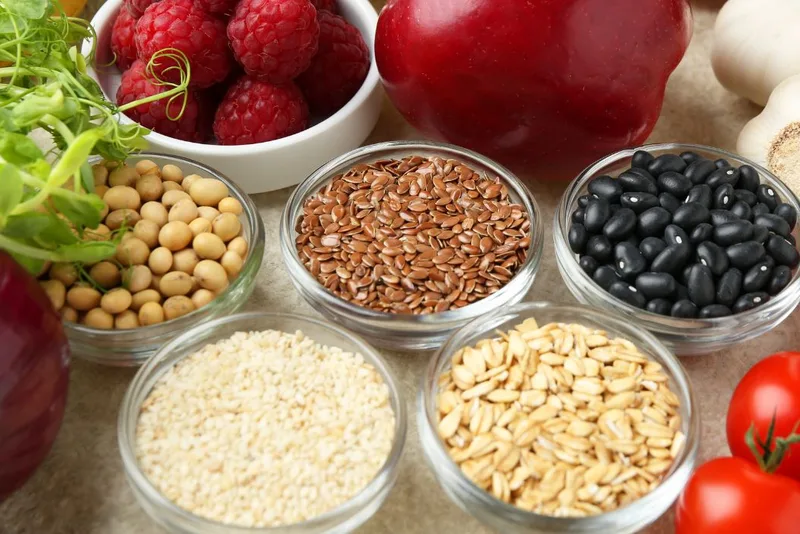
In water treatment, it acts as a natural coagulant-flocculant to remove suspended solids, heavy metals, and turbidity from municipal and industrial effluents as a biodegradable alternative to synthetic polyacrylamides. Food manufacturers use it as a preservative coating on fresh produce and seafood, extending shelf life by inhibiting microbial growth on product surfaces to maintain high quality standards.
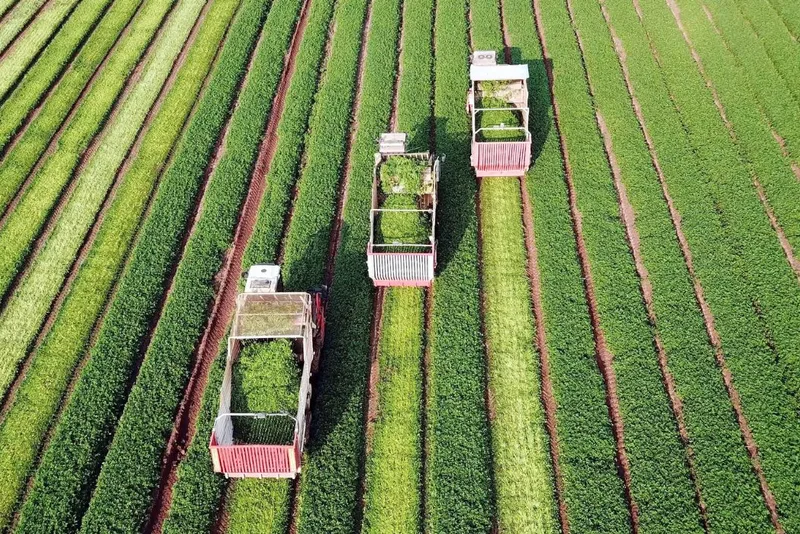
Pharmaceutical formulators incorporate it into controlled-release tablet matrices and wound dressings, where its film-forming capacity supports drug delivery and tissue adhesion during the recovery process. In agriculture, it is applied as a seed treatment and foliar biostimulant that activates plant defense responses and improves crop resistance to fungal pathogens in various environmental conditions.
The material is supplied as a white to off-white powder or flakes in varying molecular weights which directly affect viscosity. Standard grades include food-grade, USP, and technical specifications. Degree of deacetylation, typically 75–95%, is a key specification buyers should confirm when sourcing for pharmaceutical or functional food applications to ensure the material meets specific project needs.
Other Names (Synonyms)
Chitin, N-deacetyl-|Chitan, N-acetyl-|Kytex H|Poly(D-glucosamine)|Deacetylated Chitin|CTS
Key Technical Features
- High Purity Grade standard
- Consistent Batch Quality
- Full Regulatory & REACH Support
- Global Logistics Network enabled