

















Isophthaloyl chloride
Description
Isophthaloyl chloride (CAS 99-63-8), also known as IPC or m-phthaloyl chloride, is a reactive diacid chloride monomer used to build high-performance polymer chains through acylation reactions. It functions as a key building block in the synthesis of aramids, polyamides, and polyesters where thermal stability and mechanical strength are required end targets for the final material.
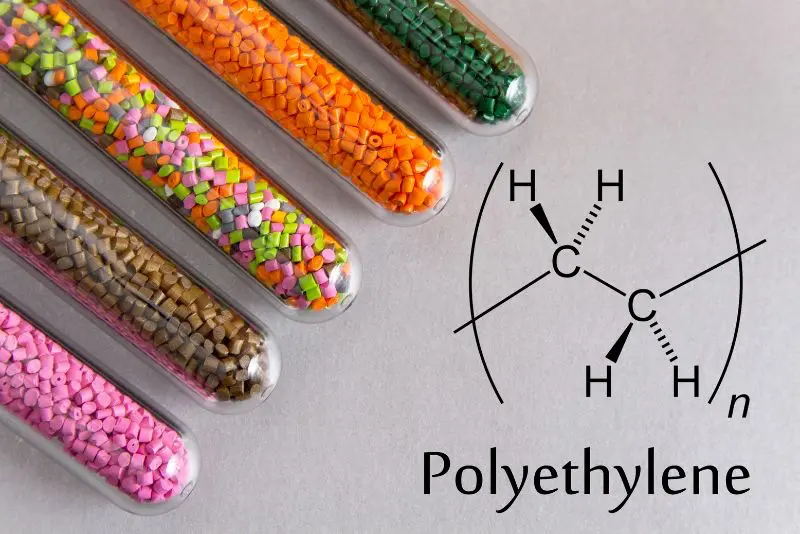
In aramid fiber production, IPC reacts with aromatic diamines to form meta-aramid polymers. These are the basis of heat-resistant textiles used in protective apparel and industrial filtration systems. Polyamide and polyester resin manufacturers use it to introduce isophthalate units that improve flexibility and chemical resistance. This enhances long-term durability in various engineering plastics.
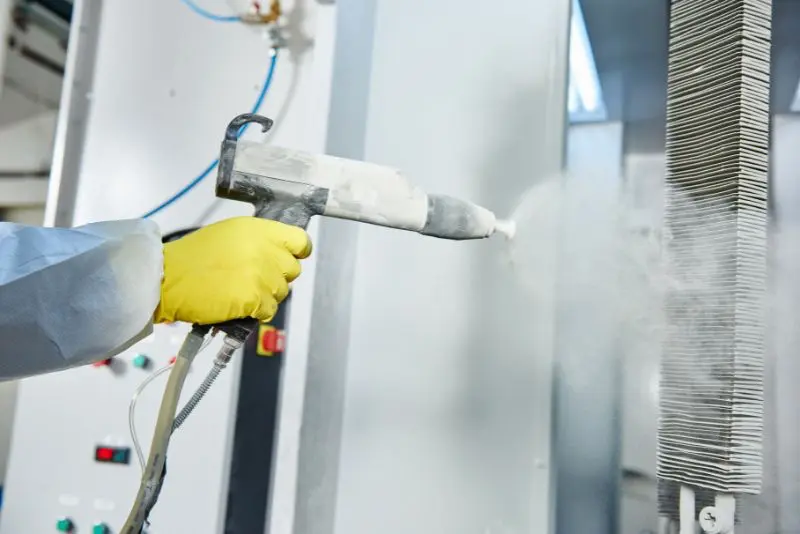
In coatings and adhesives, IPC serves as a cross-linking agent that builds dense polymer networks. These networks are essential for high-temperature or chemically aggressive service environments. Pharmaceutical manufacturers use it as an acylating intermediate in the synthesis of active ingredients. It is also utilized in the creation of specialty amide-bond-containing compounds.
Isophthaloyl chloride is supplied as a white to off-white crystalline solid. Standard commercial grades are available for industrial and synthesis-scale applications across many sectors. High-purity grades are offered to meet pharmaceutical and fine chemical manufacturing requirements. Packaging ranges from small quantities for laboratory use to bulk volumes for polymer production.
Other Names (Synonyms)
Isophthaloyl dichloride|1,3-Benzenedicarbonyl dichloride|m-Phthaloyl chloride|Isophthalic acid chloride|m-Phthalic dichloride|1,3-BENZENEDICARBONYL CHLORIDE|Isophthalic acid dichloride|Isophthalic chloride|IPC
Key Technical Features
- High Purity Grade standard
- Consistent Batch Quality
- Full Regulatory & REACH Support
- Global Logistics Network enabled